 RRB
RRB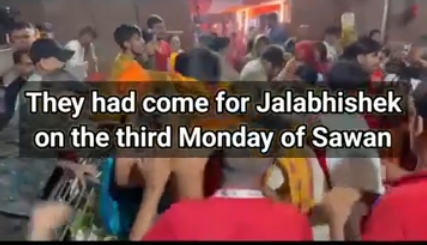
They Came with Water and Prayers. Seven Never Returned Home.
Before sunrise on Monday, 17 August 2026, thousands of devotees were already moving towards the Ashok Dham temple in Lakhisarai, Bihar. Many were women carrying water and quiet prayers, hoping to offer jalabhishek to Lord Shiva on the third Monday of Shravan. For seven of them, that journey ended in tragedy.
Around 6:40 in the morning, the crowd near the temple entrance and the approach road from Ashok Dham Halt railway station became dangerously heavy. Two trains had arrived close together, adding hundreds of fresh pilgrims to an already packed area. Within minutes, everything slipped out of control.
A bamboo barricade on one side snapped under the pressure. Around the same time, an electric pole near the men’s queue collapsed and a cable wire came down. A rumour spread quickly: a live wire had fallen, people were being electrocuted. Panic took over.
On the women’s side of the queue, the crush became unbearable. Several women fell, and others tumbled over them. The chaos lasted only a couple of minutes, but the damage was severe. Officials later clarified that the fallen wire was not live. By then, the rumour had already done its work.
The Human Cost
Seven devotees lost their lives. Four of them have been identified: Hemlata Devi (55), Lalita Devi, Rinku Devi (50), and Manmala Devi (44). Three more victims were still being identified. Almost all of the dead were women.
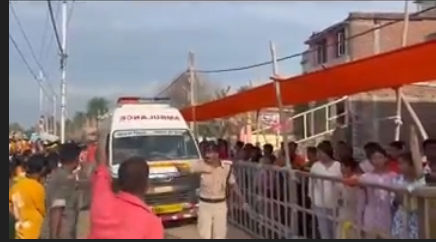
More than a dozen people — some reports say as many as 19 — were injured and taken to Sadar Hospital in Lakhisarai. Several suffered injuries from being trampled or from falling under the weight of the crowd. Medical teams were rushed in, and the seriously hurt were kept under observation.
For the families of Hemlata Devi, Lalita Devi, Rinku Devi, Manmala Devi, and the others still unnamed, Monday did not end with prayers. It ended with phone calls, hospital beds, and grief.
Why Shravan Mondays Draw Such Huge Crowds
The month of Shravan holds deep meaning for devotees of Lord Shiva across north India. Mondays during this month, known as Somwari, see especially large gatherings at major Shiva temples. Ashok Dham is a well-known shrine in the region. Its white dome is visible from passing trains, and its location close to a railway halt makes it easy for pilgrims from nearby districts and even neighbouring states to reach.
On the third Monday of Shravan, the crowd always swells. People travel long distances, often starting before dawn, to offer water and complete their rituals. When two trains arrive almost together, hundreds of people can pour into the area within minutes, overwhelming even the best-laid arrangements.
Official Response
Bihar Chief Minister Samrat Choudhary expressed deep grief over the tragedy. He called the incident heart-wrenching and announced an ex-gratia payment of ₹4 lakh to the family of each deceased person. He also directed the administration to ensure proper medical care for the injured.
Lakhisarai District Magistrate Shailendra Kumar confirmed that officials were present at the temple to manage the crowd. He said the sudden arrival of two trains, the collapse of the barricade, and the rumour about the electric pole created the conditions for the stampede. Rescue and relief work began immediately.
Local leaders, including BJP figures, visited the site and the hospital. Some raised questions about the preparedness of the electricity department and whether the barricading was strong enough for such a known high-footfall day.
A Familiar and Painful Pattern
Stampedes at temples and religious gatherings are not new in India. Similar tragedies have occurred in different states over the years, often during festivals or auspicious days when huge numbers of people gather in limited spaces. The pattern is usually the same: a sudden surge in crowd, inadequate physical barriers, poor communication, and the rapid spread of panic through rumours.
Here, the sequence was clear. A sudden increase in numbers. A bamboo barricade that gave way. A collapsed pole. A rumour that turned fear into flight. The result was seven lives lost and many families left grieving.
Authorities have said the situation is now under control. Identification of the remaining victims and treatment of the injured continue. A detailed inquiry into the sequence of events and the adequacy of arrangements is expected.
What Needs to Change
Every such tragedy raises hard questions about planning for high-attendance religious occasions. Better real-time monitoring of crowd density, stronger and more flexible barricading, clear communication systems to counter rumours quickly, and closer coordination with the railways when multiple trains or special arrivals are expected can all make a difference.
Ashok Dham is a popular destination. On peak Shravan Mondays, the administration already deploys extra police and officials. Yet the incident still happened. That shows how quickly things can go wrong when several factors align.
For the families of those who died, the immediate need is support and dignified closure. The state government’s financial assistance is a necessary first step. Proper medical attention for the injured and transparent information about the inquiry will also matter in the days ahead.
Looking Ahead
The remaining Mondays of Shravan will still see large crowds at temples across Bihar and neighbouring states. Administrations will be under pressure to review and tighten arrangements. For the people of Lakhisarai and the families affected by Monday’s tragedy, the day will be remembered as one of sudden loss during what should have been an act of faith.
Seven people set out in the early morning to offer prayers. They did not return home. The barricades that were meant to guide the crowd failed. A rumour spread faster than any official message. And in a few minutes of chaos, seven lives were cut short.
The investigation will establish the precise chain of events. But the larger task remains: making sure the next crowd of devotees comes home safely