Home › Blog › 8th Pay Commission & DA Merger Update 2026: Govt Policy & Exam Breakdown
8th Pay Commission & DA Merger Update 2026: Government Clarification, Fitment Factor & CPI-IW Projections
As of 10 August 2026, the 8th Central Pay Commission (8th CPC) remains actively in its extensive consultation phase, with stakeholder interactions progressing in New Delhi and across major zonal centers. Amid speculation surrounding salary restructuring and interim relief, public interest has surged regarding the potential merger of Dearness Allowance (DA) with basic pay for central government employees and pensioners.
This comprehensive update breaks down the current operational status of the 8th CPC, the prevailing Dearness Allowance rate, projected biannual revisions under the All India Consumer Price Index for Industrial Workers (AICPI-IW), official Finance Ministry clarifications in Parliament, employee union demands, and essential conceptual notes for competitive exam aspirants (UPSC, SSC CGL, RRB NTPC, and Banking exams).
8th Pay Commission: Current Status as of August 2026
The 8th Central Pay Commission was formally constituted by the Union Government via a Gazette notification on 3 November 2025, following the Union Cabinet's approval of its Terms of Reference (ToR) on 28 October 2025. Headed by retired Supreme Court Justice Ranjana Prakash Desai as Chairperson, the Commission also includes Prof. Pulak Ghosh as part-time member and senior bureaucrat Pankaj Jain as Member-Secretary.
The Commission operates under a 18-month statutory mandate to evaluate the pay structures, allowance frameworks, and pension benefits for over 4.9 million central government employees and approximately 6.8 million pensioners. The final report is slated for submission around May–June 2027, with cabinet implementation expected later in 2027. Crucially, implementation will feature retrospective financial applicability with arrears calculated from 1 January 2026.
| Key Parameter | Official Details & Milestone |
|---|---|
| Commission Name | 8th Central Pay Commission (8th CPC) |
| Cabinet Approval of ToR | 28 October 2025 |
| Gazette Notification Date | 3 November 2025 |
| Chairperson | Justice Ranjana Prakash Desai (Retd.) |
| Members | Prof. Pulak Ghosh (Part-time Member), Pankaj Jain (Member-Secretary) |
| Mandate & Report Deadline | 18 Months (Expected Report Submission: May–June 2027) |
| Reference Implementation Date | 1 January 2026 (Arrears payable upon implementation) |
During the first week of August 2026, the Commission conducted a key round of consultation meetings in New Delhi on 7 August and 10 August 2026, engaging representatives from major railway unions, defense civilian employee federations, and postal staff associations.
Dearness Allowance (DA) Rate: Current 60% & July 2026 Projections
As of 10 August 2026, the Dearness Allowance for central government employees and Dearness Relief (DR) for pensioners stands at 60% of basic pay. This 60% rate came into effect on 1 January 2026, following a 2 percentage point hike (up from 58%) formally notified by the Ministry of Finance in April 2026.
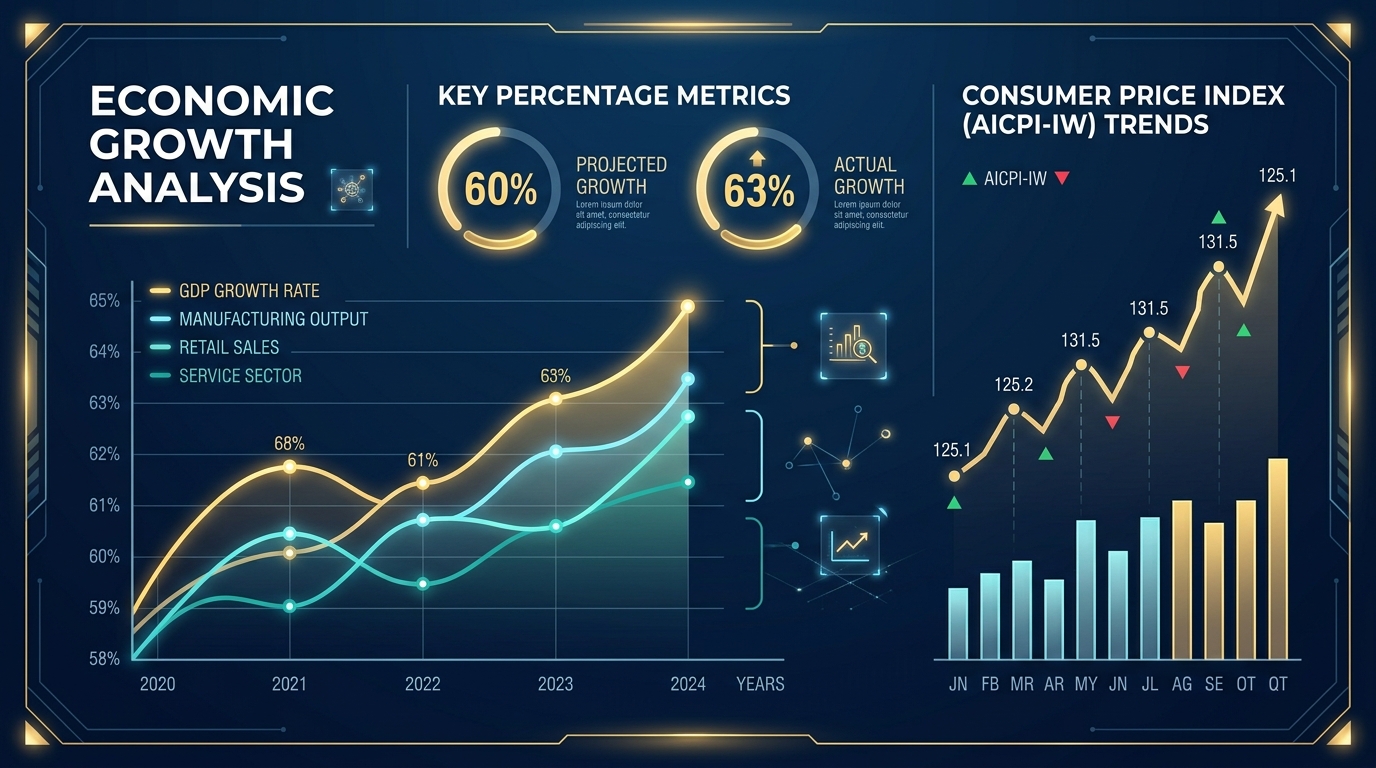
Based on the monthly inflation data compiled by the Labour Bureau through the All India Consumer Price Index for Industrial Workers (AICPI-IW, Base Year 2016=100), market analysts and union calculations project a further 3 percentage point increase for the July 2026 revision cycle, bringing the total DA rate to 63%. However, the formal announcement and notification from the Union Finance Ministry remain pending and are expected by September–October 2026, as per standard administrative schedules.
DA Merger Demand: Employee Unions vs Government Clarification
The primary driver behind recent trending searches is the demand by employee federations for a DA merger into basic pay. Under historical pay commission rules (such as the 5th CPC recommendations in 2004), when Dearness Allowance breached the 50% threshold, it was automatically merged into basic pay (termed 'Dearness Pay'), thereby elevating the base for calculating House Rent Allowance (HRA), Transport Allowance (TA), and retirement gratuity.
Employee unions argue that with DA crossing 50% (reaching 60% currently), an immediate interim merger is necessary to mitigate inflationary erosion of real wages prior to the 8th CPC report submission.
Government Stance & Official Reply: The Union Government has repeatedly clarified that no proposal regarding the merger of DA with basic pay is under consideration. In a formal Lok Sabha written reply in December 2025, Minister of State for Finance Pankaj Chaudhary explicitly stated: "No proposal regarding merger of the existing dearness allowance with the basic is under consideration with the government at present." Official policy maintains that biannual DA/DR adjustments indexed to AICPI-IW provide adequate compensation against inflation.
Fitment Factor (~3.83) and Minimum Pay Demands Explained
Another focal point of current consultations is the Fitment Factor—the multiplier used to adjust existing basic pay under the 7th CPC (where the fitment factor was 2.57) to the new pay scale under the 8th CPC.
Staff federations have submitted memoranda seeking a fitment factor ranging between 2.86 and 3.83. A fitment factor of 3.83 would elevate the minimum entry-level basic pay from the present ₹18,000 per month (7th CPC Level-1) to approximately ₹69,000 per month under the 8th CPC. However, official decisions on the fitment factor will only take shape once the Commission completes fiscal evaluation and submits its final recommendations in 2027.
Economy & Exam Relevance: Key Takeaways for Competitive Exams
For candidates preparing for UPSC Civil Services, SSC CGL, RRB NTPC, and Banking Sector examinations, this topic intersects directly with Indian Economy, Public Finance, and Current Affairs modules:
- Inflation Indexing Mechanism: Dearness Allowance is designed to neutralize the impact of inflation on fixed-income employees. It is calculated using the 12-month moving average of the AICPI-IW (Base Year 2016=100) published monthly by the Labour Bureau (Ministry of Labour & Employment).
- Fiscal Deficit Impact: A 1% increase in DA costs the Central Exchequer approximately ₹3,000 to ₹3,400 crore annually. A potential Pay Commission implementation involves a substantial fiscal outlay, influencing government revenue expenditure and fiscal consolidation targets under the FRBM Act.
- Constitutional & Administrative Framework: Pay Commissions are non-statutory ad-hoc administrative bodies constituted by the Ministry of Finance (Department of Expenditure) roughly every ten years.
Frequently Asked Questions (FAQ)
Q: Has the government approved the merger of DA into basic pay for the 8th Pay Commission?
A: No. The Union Finance Ministry has officially clarified in Parliament that no proposal to merge Dearness Allowance with basic pay is currently under consideration.
Q: What is the current DA rate for Central Government Employees as of August 2026?
A: The current DA rate is 60% of basic pay, effective from 1 January 2026. A further 3% hike to 63% is projected for July 2026 based on AICPI-IW data.
Q: Who is the Chairperson of the 8th Central Pay Commission?
A: The 8th Pay Commission is chaired by retired Supreme Court Justice Ranjana Prakash Desai.
Q: What is the expected implementation date for the 8th Pay Commission?
A: The Commission's 18-month mandate sets its report deadline for May–June 2027. Implementation is expected later in 2027 with financial arrears applicable from 1 January 2026.
Prepare for Current Affairs & Economy with RRBCONTENTS
Master Indian Economy, Banking Awareness, and Government Schemes with curated notes and mock tests.
Daily Current Affairs → Economy Study Material →Join our official Telegram channel for instant updates: @rrbcontents