Home › Blog › Asim Munir Statement & Pakistan News Today: Military Interventions & Geopolitics
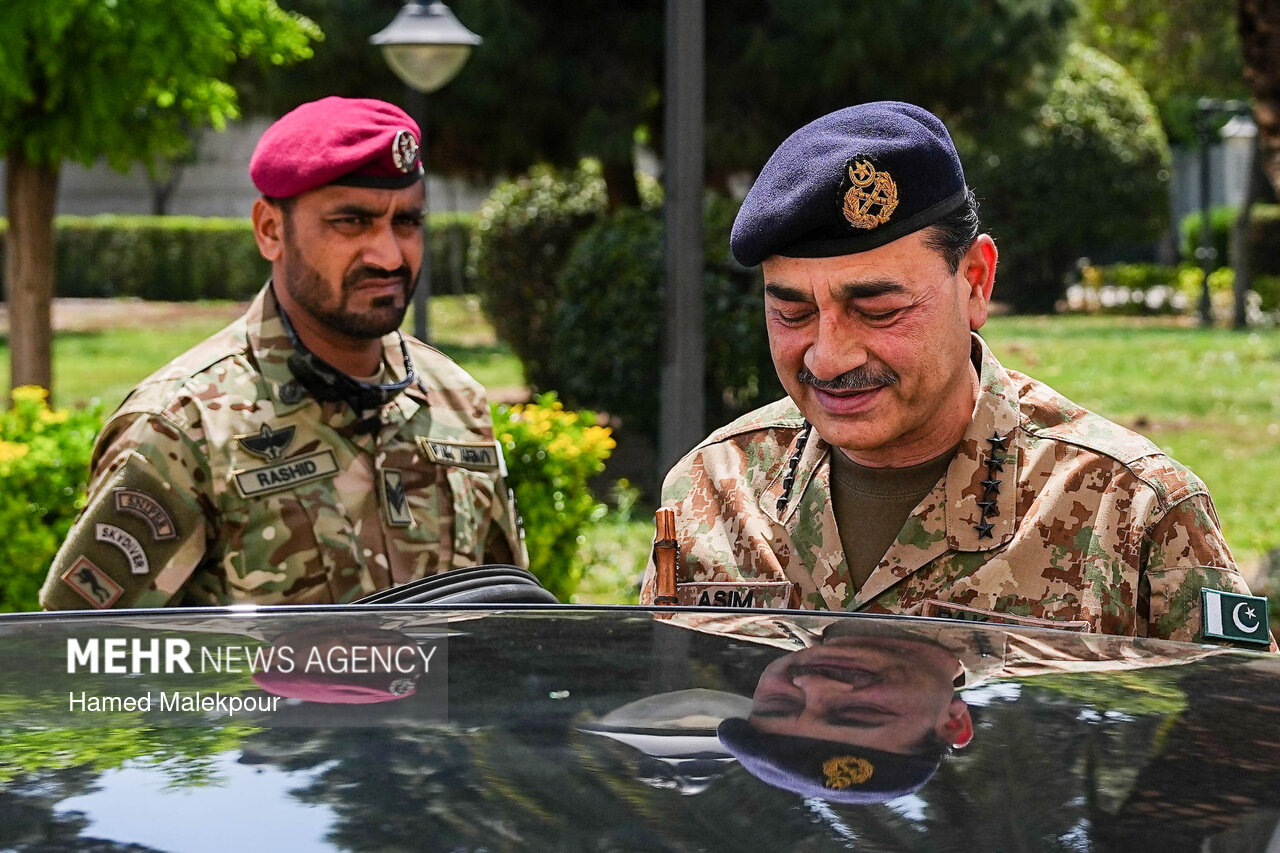
Asim Munir Statement & Pakistan News Today: Military Maneuvers, NDMA Visit & Governance Debate
High-level administrative interventions and strategic diplomatic moves by Pakistan's Army Chief, General / Field Marshal Asim Munir, have sparked intense political and geopolitical debate across South Asia on 10 August 2026. From conducting high-profile inspections of civilian disaster management infrastructure to brokering bilateral defense agreements with African nations and accompanying Prime Minister Shehbaz Sharif on Middle East diplomatic missions, Munir's expanding footprint has re-ignited discussions regarding the civilian-military balance of power in Islamabad.
Furthermore, controversial statements by Pakistan's Interior Minister Mohsin Naqvi—widely regarded as a close ally of the military establishment—claiming that Pakistan's civilian governance system has "virtually collapsed," have led political analysts to examine whether the military leadership is preparing for a formal political restructuring amidst mounting economic pressures and anti-terror crackdowns.
1. Asim Munir's NDMA Inspection: Disaster Preparedness or Administrative Overreach?
On August 4, 2026, General Asim Munir made a landmark visit to the National Emergencies Operation Centre (NEOC) at the National Disaster Management Authority (NDMA) headquarters in Islamabad. During the visit, Munir formally reviewed monsoon preparedness and launched the state-of-the-art "Disaster Lens 2026" digital surveillance platform.
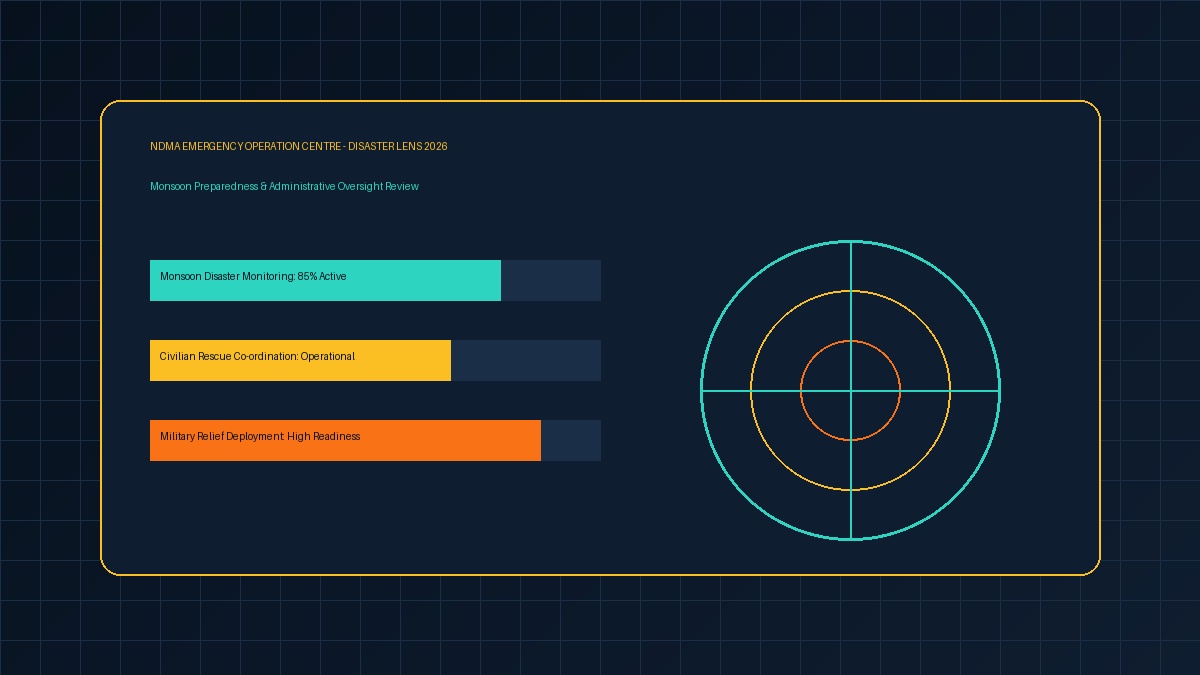
While official military statements framed the visit as a routine operational review to pledge military engineering and logistics support for flood-affected provinces, civilian observers and political opposition figures voiced sharp criticism. Critics highlighted that disaster management falls strictly within the domain of elected civilian ministries, viewing the Army Chief's direct oversight as a symbol of the military's deepening encroachment into civilian administrative governance.
2. The "Governance System Collapsed" Controversy: Mohsin Naqvi's Explosive Remarks
Adding fuel to the ongoing political discourse, Pakistan's Interior Minister Mohsin Naqvi released a public statement characterizing the national governance architecture as "paralyzed and collapsed." Naqvi's close alignment with General Munir led political commentators across domestic and international media outlets to interpret the remark as a strategic signal from the military establishment.
| Event / Incident | Date (August 2026) | Key Stakeholders Involved | Strategic & Political Significance |
|---|---|---|---|
| NDMA Disaster Lens Review | August 4, 2026 | Gen. Asim Munir, NDMA Officials | Showcased military dominance over civilian emergency administration. |
| Somali Defense Delegation Talks | August 6, 2026 | Gen. Munir, Minister Ahmed Fiqi | Expanded Pakistan's defense export footprint and Horn of Africa strategy. |
| Saudi Arabia Diplomatic Visit | August 5-8, 2026 | PM Shehbaz Sharif, Gen. Munir | High-level strategic talks on regional security & US-Iran diplomatic tensions. |
| Hardline Security Crackdown | August 10, 2026 | Pak Army, Counter-Terror Units | Military-led action to satisfy FATF/Western economic compliance requirements. |
Rumors in Islamabad suggest that the ruling Coalition government under Shehbaz Sharif is increasingly dependent on the military's Special Investment Facilitation Council (SIFC) to secure foreign capital from Gulf states and comply with International Monetary Fund (IMF) loan conditions.
3. Expanding Defense Diplomacy: Somalia Talks & Saudi Security Summit
General Asim Munir has aggressively expanded military diplomatic engagements beyond traditional South Asian borders. On August 6, 2026, Munir hosted a high-level Somali defense delegation led by Somalia's Defense Minister Ahmed Moallim Fiqi at the General Headquarters (GHQ) in Rawalpindi.
The bilateral meeting focused on maritime security in the Arabian Sea, counter-piracy cooperation, and military equipment sales. Furthermore, Munir accompanied Prime Minister Shehbaz Sharif to Saudi Arabia to participate in security consultations concerning rising geopolitical tensions between the US and Iran in the Gulf region.
4. Military-Led Crackdown on Hardline Outfits: Economic Motives
In early August 2026, Pakistan armed forces launched targeted counter-terrorism operations and regulatory crackdowns against hardline sectarian and extremist organizations. Intelligence analysts indicate that this crackdown is directly coordinated by General Munir to reassure Western financial regulators and institutional investors.
Strategic Insight: Economic Survival via Counter-Terrorism
By demonstrating zero tolerance toward hardline outfits, the military establishment aims to project stability to Western partners, avoid grey-listing by international financial regulators, and unlock foreign direct investment in Pakistan's mining and energy sectors.
5. Implications for India & South Asian Regional Security
For New Delhi, General Asim Munir's consolidated control over Pakistan's internal policy presents critical strategic considerations. India's national security establishment continues to maintain a vigilant posture along the Line of Control (LoC) in Jammu & Kashmir and international border sectors.
- LoC Alert Status: Indian Armed Forces have intensified counter-infiltration grids along the LoC due to intelligence reports of terror launching pads operating across Pakistan-Occupied Jammu & Kashmir (POJK).
- Hybrid Warfare Tactics: Analysts highlight that Munir's doctrine emphasizes information warfare, drone smuggling of narcotics/weapons into Punjab, and cyber operations targeting Indian infrastructure.
- Diplomatic Stance: India maintains its firm position that talks with Pakistan can only occur in an atmosphere free of cross-border terrorism.
6. Competitive Exam Awareness: Key International Relations Terms
Aspirants preparing for UPSC Civil Services, SSC CGL, IBPS, and State PSC examinations must understand the diplomatic and constitutional terminology highlighted in this analysis:
Important Terms for IR & Security Awareness
- Hybrid Warfare: A military strategy blending conventional weaponry, cyber warfare, political influence, and irregular tactics (terror proxies/fake news).
- FATF (Financial Action Task Force): An intergovernmental body established in 1989 to combat money laundering and terror financing. Countries violating standards are placed on Grey or Black Lists.
- Civil-Military Imbalance: A political condition where a nation's military apparatus exercises dominant control over elected civilian institutions and foreign policy decision-making.
- Line of Control (LoC): The military control line separating Indian and Pakistani controlled parts of the former princely state of Jammu and Kashmir.
Q: Who is the current Army Chief of Pakistan as of August 2026?
A: General / Field Marshal Asim Munir currently serves as the Chief of Army Staff (COAS) of the Pakistan Army.
Q: What was the purpose of General Asim Munir's NDMA visit in August 2026?
A: The visit was conducted to review monsoon disaster preparedness and launch the 'Disaster Lens 2026' surveillance platform, though it sparked debate over military oversight of civilian administration.
Stay Updated on World Affairs & Defense Intelligence
Track daily international news, defense developments, and strategic geopolitical analyses for competitive exams.
Daily Current Affairs → IR & Defense Notes →Join our official Telegram channel for instant updates: @rrbcontents