Home › Blog › International Environment & Wildfire Emergencies
British Columbia Declares Province-Wide State of Emergency on 8 August 2026 as Bald Range Wildfire Rapidly Expands and Forces Mass Evacuations Across the Okanagan
Key Takeaways & Article Highlights
- State of Emergency Declared: British Columbia declared a province-wide state of emergency at 1 p.m. on 8 August 2026 as over 100 wildfires burned simultaneously.
- Bald Range Wildfire Growth: Detected 7 August at 5:30 p.m., the fire expanded rapidly from 50 sq km to over 100 sq km (10,340 hectares) by 8 August afternoon.
- Summerland Evacuated: The entire District of Summerland (approx 12,000 residents) placed under full mandatory evacuation order alongside surrounding communities.
- 20,000+ Under Evacuation Orders: Over 20,000 residents across BC ordered to evacuate, with nearly 10,000 additional under high-alert warnings.
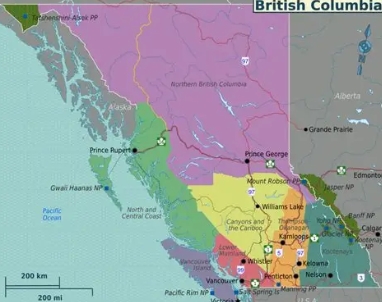
British Columbia entered a province-wide state of emergency on the afternoon of 8 August 2026. The declaration was driven by a cluster of active wildfires across the province, with the Bald Range wildfire in the southern Interior emerging as the most immediate threat. The fire, located west of Summerland in the Okanagan region, had expanded at a pace that local and provincial emergency managers described as unusually aggressive for the early stages of a new blaze.
The Bald Range wildfire was first detected on the evening of 7 August 2026 at approximately 5:30 p.m. Pacific Time. Within three hours it had grown to roughly 50 square kilometres. Overnight the fire continued to advance, and by the afternoon of 8 August official estimates placed its size at more than 100 square kilometres, with some updates reporting 10,340 hectares. Fire behaviour remained active through the morning of 8 August, displaying rank 2 and rank 3 characteristics even after overnight conditions moderated slightly.
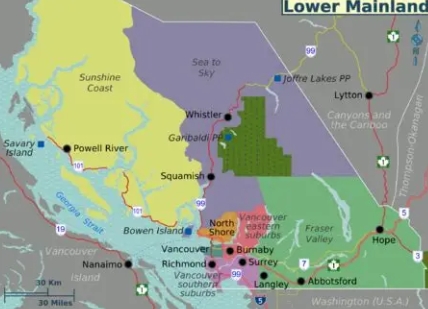
In response, the Regional District of Okanagan-Similkameen and the District of Summerland issued a series of escalating evacuation orders beginning on the evening of 7 August and continuing into 8 August. The entire District of Summerland, a community of approximately 12,000 residents, was placed under a full evacuation order. Residents were directed to leave immediately and to register at reception centres established in Penticton, including the Penticton Trade and Convention Centre at 273 Power Street and another site at 550 Eckhardt Avenue West. An additional reception centre opened at the Westbank Lions Community Hall in West Kelowna.
Evacuation orders and alerts extended beyond Summerland. The Regional District of Okanagan-Similkameen issued orders covering areas that included Faulder, the Big Valley Road area, Brent Road and Log Chute Road south of Peachland, and the corridor from Darke Lake south to Bathville Road, including Garnet Valley Road and sections of the Princeton-Summerland Highway. The Regional District of Central Okanagan and the Penticton Indian Band also issued orders and alerts for nearby properties. Highway 97 was closed between Antlers Beach and the Pyramid Picnic Area, with authorities advising against the use of most forest service roads.
By the afternoon of 8 August more than 20,000 people across British Columbia were under formal evacuation orders. An additional group of roughly 9,700 people had been placed under evacuation alerts, requiring them to be prepared to leave at short notice. Provincial officials emphasised that the speed of the Bald Range fire’s advance made immediate compliance essential.
The province-wide state of emergency was formally declared around 1 p.m. on 8 August 2026. The declaration, made on the advice of emergency management officials, activated additional powers under the Emergency and Disaster Management Act. These powers allow the province to coordinate resources across regional districts, direct the movement of people and equipment, and manage the broader response as more than 100 wildfires burned simultaneously in different parts of British Columbia.
Additional firefighting resources were mobilised to the Bald Range fire. Crews, aircraft and heavy equipment were assigned to the incident. Local Members of the Legislative Assembly and municipal leaders publicly urged residents under orders to leave without delay and asked the public to avoid unnecessary travel into the South Okanagan. Smoke from the fire and other active blazes affected air quality across the broader Okanagan Valley.
The Okanagan region, known for its dry summers, orchards, vineyards and residential communities clustered around the lakes, has experienced significant wildfire seasons in previous years. The 2026 Bald Range event stood out for the speed of its early growth and the decision to evacuate an entire district within hours of the fire’s detection. As of 9 August 2026 the fire remained a high priority, with containment efforts ongoing and evacuation orders still in force for Summerland and surrounding areas.
Provincial emergency management channels, including EmergencyInfoBC, continued to issue updates and maps of the affected zones. Residents were directed to monitor official sources for changes to orders and alerts. The combination of the rapid expansion of the Bald Range wildfire, the scale of the evacuations in the Okanagan, and the province-wide emergency declaration defined the most significant wildfire response under way in British Columbia at that point in the 2026 season.
The declaration remained in effect as of 9 August 2026 while firefighters worked to stabilise the Bald Range perimeter and while other fires across the province continued to demand resources. The situation illustrated the speed with which a single aggressive wildfire in a populated interior valley can escalate into a province-level emergency requiring coordinated action across multiple regional districts and levels of government.
Frequently Asked Questions (FAQ)
When and why did British Columbia declare a state of emergency in August 2026?
British Columbia declared a province-wide state of emergency on the afternoon of 8 August 2026 primarily because of the rapid expansion of the Bald Range wildfire and the need to coordinate the response to multiple active wildfires across the province.
How large did the Bald Range wildfire become and which community was fully evacuated?
The Bald Range wildfire grew from about 50 square kilometres on the evening of 7 August to more than 100 square kilometres by 8 August 2026. The entire District of Summerland, with approximately 12,000 residents, was placed under a full evacuation order.
How many people were under evacuation orders in British Columbia on 8 August 2026?
By the afternoon of 8 August 2026 more than 20,000 people across British Columbia were under formal evacuation orders, with several thousand additional residents under evacuation alerts.
Join Official RRBCONTENTS Telegram Channel
Get instant updates on daily current affairs, government job alerts, and study notes.
Join Official Telegram (@rrbcontents) →