Home › Blog › H1N1 Swine Flu Cases Surge in Delhi
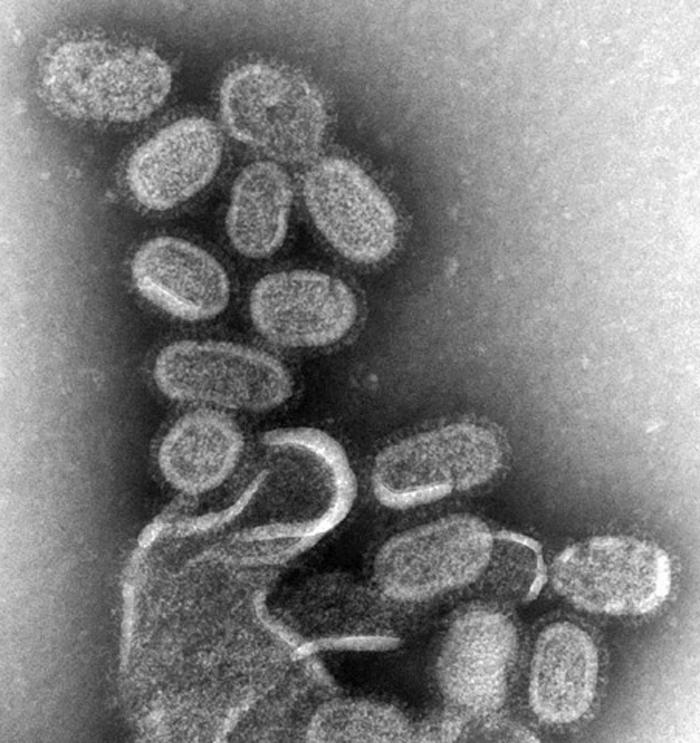
Delhi H1N1 Swine Flu Cases Surge to 1,349: Check Symptoms, Hospital Advisories & High-Risk Group Care
New Delhi, August 10, 2026 — The National Capital Territory of Delhi has witnessed a notable uptick in Influenza A virus subtype H1N1 (commonly known as swine flu) cases during the ongoing monsoon season. According to official health department figures released as of Monday, August 10, 2026, Delhi has recorded a total of 1,349 confirmed H1N1 cases across various government and private diagnostic centers.
Reassuring residents, senior health department officials emphasized that zero deaths have been reported due to H1N1 in Delhi so far this year. Government hospitals—including Lok Nayak Jai Prakash Narayan (LNJP) Hospital, AIIMS Delhi, Safdarjung Hospital, Ram Manohar Lohia (RML) Hospital, and premier private healthcare facilities—have instituted specialized isolation wards, screening protocols, and adequate stocks of antiviral medications such as Oseltamivir (Tamiflu).
Public Health Update: Health experts assure that there is no cause for panic. Most H1N1 infections remain mild to moderate and resolve with timely clinical care and rest. However, because early symptoms mirror common cold, seasonal flu, and dengue, medical consultation is strongly advised for persistent high fever or respiratory distress.
Current H1N1 Situation and Case Breakdown in Delhi
The monsoon season routinely triggers a surge in respiratory viral infections in Northern India due to elevated humidity levels, temperature fluctuations, and increased indoor crowding. However, the 2026 strain of H1N1 has demonstrated higher transmission rates compared to the previous year.
| Indicator / Parameter | Official Figure / Status (As of Aug 10, 2026) |
|---|---|
| Total Confirmed Cases | 1,349 Cases |
| Reported Fatalities | 0 (Zero Deaths) |
| Primary Affected Demographics | Adults aged 25–55, Children, Immunocompromised Patients |
| Key Government Centers | LNJP Hospital, AIIMS Delhi, Safdarjung, RML Hospital |
| Dominant Variant | Influenza A (H1N1) pdm09 Strain |
| Hospital Bed Capacity | Dedicated isolation beds operational across all major hospitals |
Key Symptoms of H1N1 Swine Flu to Watch Out For
H1N1 swine flu is a contagious respiratory infection caused by the Influenza A virus. Symptoms usually manifest within 1 to 4 days after exposure to the virus. Medical experts advise citizens to monitor the following primary symptoms:
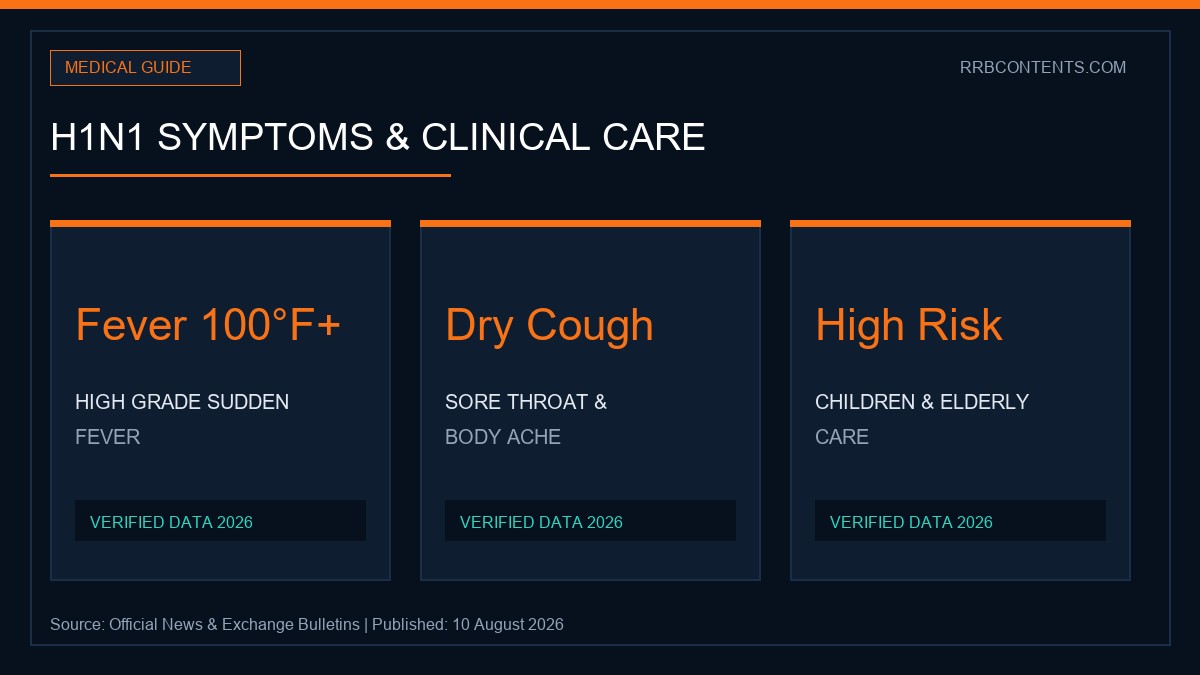
- Sudden High Fever: Body temperature rapidly spiking between 100.4°F and 104°F (38°C–40°C).
- Persistent Dry Cough: Severe, non-productive chest cough that worsens over 48 hours.
- Sore Throat & Pharyngitis: Irritation, redness, and severe throat pain during swallowing.
- Intense Body Aches & Myalgia: Severe muscle soreness, back pain, and joint aches.
- Chills & Headaches: Shivering, profuse sweating, and sharp frontal headache.
- Extreme Fatigue & Lethargy: Pronounced physical weakness lasting up to two weeks.
- Nasal Congestion: Runny or stuffed nose, sneezing, and watery eyes.
Red-Flag Warning Signs Requiring Immediate Hospitalization
While the majority of H1N1 cases can be managed with symptomatic treatment at home under medical supervision, certain severe symptoms indicate respiratory complications such as viral pneumonia or secondary bacterial infection. Seek emergency medical attention if any of the following warning signs occur:
Emergency Warning Symptoms
• Shortness of breath (dyspnea) or rapid, labored breathing.
• Persistent chest pain, pressure, or tightness.
• High fever that does not reduce despite taking prescribed antipyretics.
• Bluish discoloration of lips or face (cyanosis).
• Severe dizziness, confusion, or inability to wake up.
• Severe or continuous vomiting leading to dehydration.
High-Risk Vulnerable Groups and Precautionary Measures
Certain sections of the population face a heightened risk of developing severe complications from H1N1 infection. Doctors at Delhi healthcare institutions have emphasized special precautions for the following vulnerable categories:
- Senior Citizens: Individuals aged 65 years and above with reduced immunity.
- Young Children: Infants and children under 5 years of age.
- Pregnant Women: Expectant mothers in all trimesters.
- Patients with Chronic Conditions: People suffering from diabetes, asthma, COPD, heart disease, kidney ailments, or hypertension.
- Immunocompromised Persons: Cancer patients under chemotherapy, organ transplant recipients, or individuals on steroid therapies.
Delhi Government Hospital Advisory and Treatment Protocol
The Directorate General of Health Services (DGHS) Delhi has issued standard operating procedures (SOPs) for hospitals and outpatient clinics. Key points of the advisory include:
- Clinical Screening: Fever clinics and flu corners have been activated at all government hospitals to triage patients presenting with influenza-like illness (ILI).
- Antiviral Availability: Tamiflu (Oseltamivir) tablets and syrups are available free of cost at government hospital pharmacies. Antiviral treatment is most effective when initiated within 48 hours of symptom onset.
- Diagnostic Testing: RT-PCR testing for Influenza A/B is conducted based on physician assessment for hospitalized or high-risk patients. Routine testing is not required for mild outpatient cases.
- Preventive Guidelines for Public: Wash hands frequently with soap and water; use N95 or surgical masks in crowded public transport; practice cough etiquette; avoid self-medication with antibiotics.
Frequently Asked Questions (FAQ)
Q: How many H1N1 cases have been reported in Delhi in August 2026?
A: Delhi has reported 1,349 confirmed H1N1 cases as of August 10, 2026. No fatalities have been recorded.
Q: Is H1N1 swine flu curable with medicine?
A: Yes, H1N1 is treatable with prescription antiviral drugs like Oseltamivir (Tamiflu). Most mild cases recover completely with proper rest, fluids, and symptomatic care.
Q: What is the main difference between H1N1 swine flu and common cold?
A: H1N1 begins abruptly with high fever (100.4°F+), severe body aches, and prostrating fatigue, whereas the common cold develops gradually with mild fever and localized runny nose.
Q: Should high-risk individuals take the annual flu vaccine?
A: Yes, doctors recommend annual quadrivalent influenza vaccination for elderly individuals, pregnant women, healthcare workers, and patients with chronic illnesses.
Stay Updated on Public Health, Advisory & National News
Track real-time health advisories, monsoon disease updates, hospital guidelines, and daily current affairs coverage.
Wellness & Health Hub → Daily Current Affairs →Join our official Telegram channel for instant health alerts: @rrbcontents