 RRB
RRB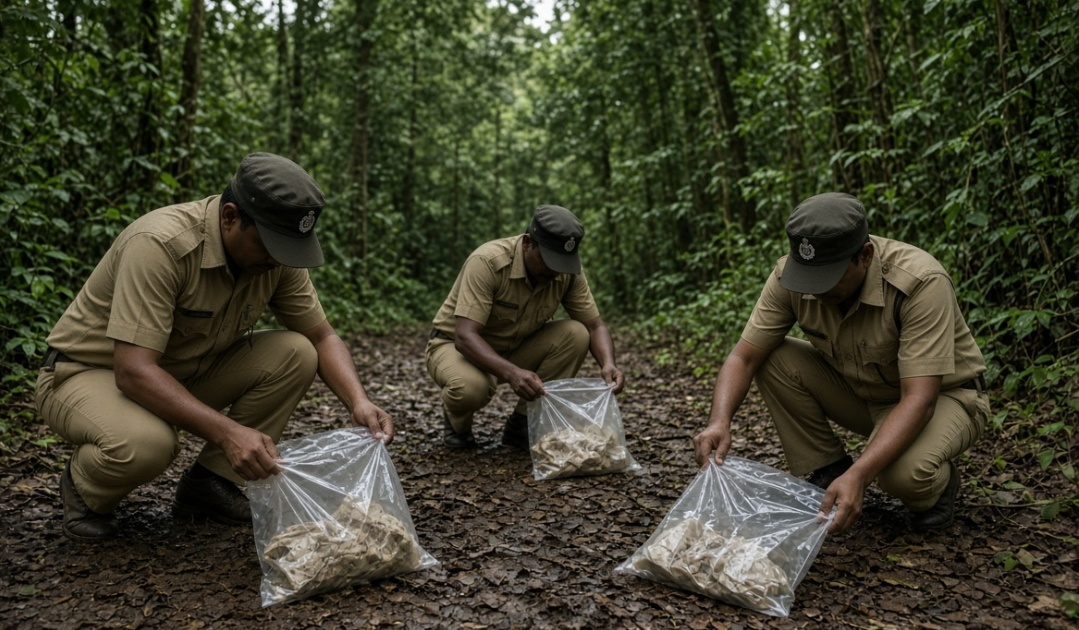
A major wildlife investigation in Madhya Pradesh has put a prominent Delhi-based conservation NGO under the scanner. Officials say two men linked to the organisation were part of a leopard poaching network. The NGO’s CEO has been asked to join the probe.
What Happened
In July 2026, forest officials seized 10 leopard skins and heads on the Agra-Gwalior highway. The consignment was allegedly heading towards Delhi and Haryana markets. Four people were arrested at that time.
Further investigation by the Madhya Pradesh State Tiger Task Force led to more arrests in August. Two of the men in custody told investigators they were working on the instructions of Wildlife SOS CEO Kartick Satyanarayan. Both men were reportedly on the NGO’s payroll. One of them is a dismissed Delhi Police constable.
Investigators are examining digital evidence and whether the NGO was involved in organising poaching or staging seizures to claim credit for anti-poaching work.
Where It Happened
The skins were seized near Agra. The actual poaching is believed to have taken place in the Kuno-Chambal and Shivpuri forests of Madhya Pradesh. The NGO is based in Delhi. The probe is being handled by the Madhya Pradesh State Tiger Task Force with support from the Wildlife Crime Control Bureau.
How Authorities Came to Know
The initial breakthrough came from intelligence inputs that led to the highway interception in July. Later, the arrested traders named the NGO officials during interrogation. Investigators say they have recovered digital evidence linking the operation to the organisation. A notice has been issued to the CEO to appear before the investigating officer in Shivpuri.
What the Law Says
The Wildlife (Protection) Act, 1972 is the main law. Hunting, trapping, or trading in animals listed in its schedules is a serious offence. Leopards fall under Schedule I, which carries the highest protection. Punishment can include imprisonment of three to seven years and heavy fines. The 2006 and 2022 amendments strengthened the law further and created the Wildlife Crime Control Bureau.
When Poaching Became a Crime in India
Before 1972, hunting was still common and even encouraged in many places. The Wildlife Protection Act of 1972 made hunting of scheduled wild animals illegal across the country. It was one of the strongest conservation laws of its time.
How Poaching Led to Extinctions – The Case of the Cheetah
The Asiatic cheetah once roamed large parts of India. Excessive hunting for sport and for its skin, along with habitat loss, wiped it out. The last confirmed cheetahs in the wild were shot in the late 1940s and early 1950s. By the mid-1950s the species was considered extinct in India. Similar pressure from hunting and trade pushed several other species to the brink.
Where Poached Animals and Parts Are Sold
Skins, bones, claws and other body parts usually move through organised networks. Demand comes from domestic markets for traditional medicine, decoration, and illegal fashion, as well as from international buyers. Delhi, parts of Haryana, and certain border points have long been known as transit or sale hubs. In this case, the seized leopard skins were reportedly meant for sale in Delhi and Haryana.
Legitimate wildlife NGOs are supposed to rescue injured animals, run awareness programmes, support forest departments, and help in rehabilitation. When an organisation is accused of links with poachers, public trust takes a serious hit.
Why Some NGOs Face Trust Issues
Over the years several cases have come up where conservation organisations were found misusing funds, exaggerating achievements, or operating without proper transparency. High-profile projects attract donations and media attention. When the same organisations face allegations of wrongdoing, people start questioning the entire sector. Lack of independent audits and weak oversight have added to the problem.
Government Action Against Fake or Errant NGOs
The present government has tightened rules under the Foreign Contribution Regulation Act (FCRA). Many organisations lost their licences for alleged violations. The Home Ministry and other agencies now examine funding sources and activities more closely. Before these tighter norms, cancellation of FCRA licences was less frequent and the process was slower. Today, both funding and on-ground activities of wildlife NGOs face greater scrutiny.
Ethics and the Larger Picture
Wildlife conservation depends on public trust. When an organisation that claims to protect animals is accused of links with those who kill them, the damage goes beyond one case. Genuine field workers and honest NGOs also suffer because suspicion spreads. The ethics of conservation demand complete separation between those who protect and those who exploit.
What Needs to Be Done
Stronger intelligence sharing between states, better use of technology for tracking wildlife products, faster forensic examination of seized material, and stricter monitoring of organisations that work in sensitive forest areas are needed. Forest departments must remain the primary enforcement agencies. NGOs can support, but they cannot replace official authority.
Conclusion
The Madhya Pradesh investigation is still at an early stage. The CEO of the NGO has been asked to join the probe. Whether the allegations of staged seizures and deeper involvement are proved will depend on the evidence collected. What is already clear is that organised leopard poaching continues in central India and that some networks try to operate under the cover of conservation work. Protecting wildlife requires both strong laws and clean institutions. Any compromise on either side puts the animals at greater risk.