Home › Blog › National News › Dharmendra Pradhan Resignation
Dharmendra Pradhan Resigns as Education Minister: Political Analysis & Future Impact
Track UPSC CSE, SSC CGL, NTA, Teaching & State PSC recruitment notifications on RRBCONTENTS Jobs Portal.
Key Takeaways & Summary
- Ministerial Exit: Union Education Minister Dharmendra Pradhan tendered his formal resignation to PM Modi following nationwide student agitations over NEET-UG leaks.
- Non-Negotiable Demand: Student platform Cockroach Janta Party (CJP) & Sonam Wangchuk maintained Pradhan's exit was non-negotiable despite earlier government concessions.
- NTA Restructuring: Central testing is transitioning to in-house public infrastructure (Kendriya Vidyalayas, engineering colleges) and hybrid computer-based testing (CBT).
- Constitutional Accountability: Demonstrates individual ministerial responsibility under Article 75(2) of the Indian Constitution.
Table of Contents
- 1. The Trigger Events: How the Pressure Built to a Breaking Point
- 2. Analyzing the Politics: Why the Government Yielded
- 3. What Happens Now? Future Outlook for Indian Education
- 4. Summary Matrix: Key Dimensions of the Resignation
- 5. High-Yield Exam Corner for Competitive Aspirants
- 6. Frequently Asked Questions (FAQ)
The Fall of the Education Portfolio: Why Dharmendra Pradhan Resigned, the Underlying Politics, and What Lies Ahead
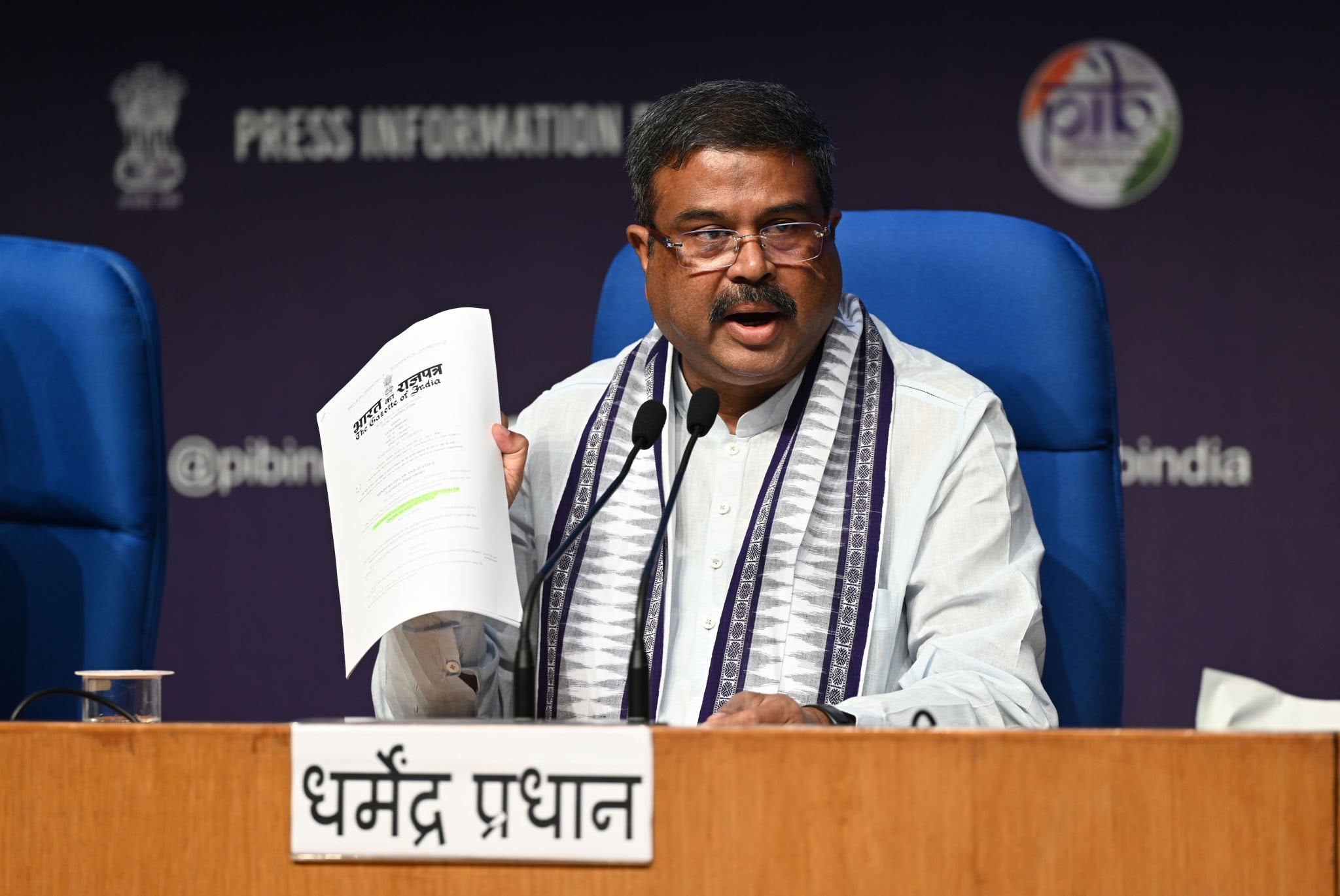
In a historic political development in New Delhi, Union Education Minister Dharmendra Pradhan officially tendered his resignation from the Union Council of Ministers. In a letter addressed to Prime Minister Narendra Modi, Pradhan stated that his decision was made in the "interest of national unity and the welfare of the nation's youth", bringing a dramatic conclusion to weeks of intense political speculation and youth-led street agitations.
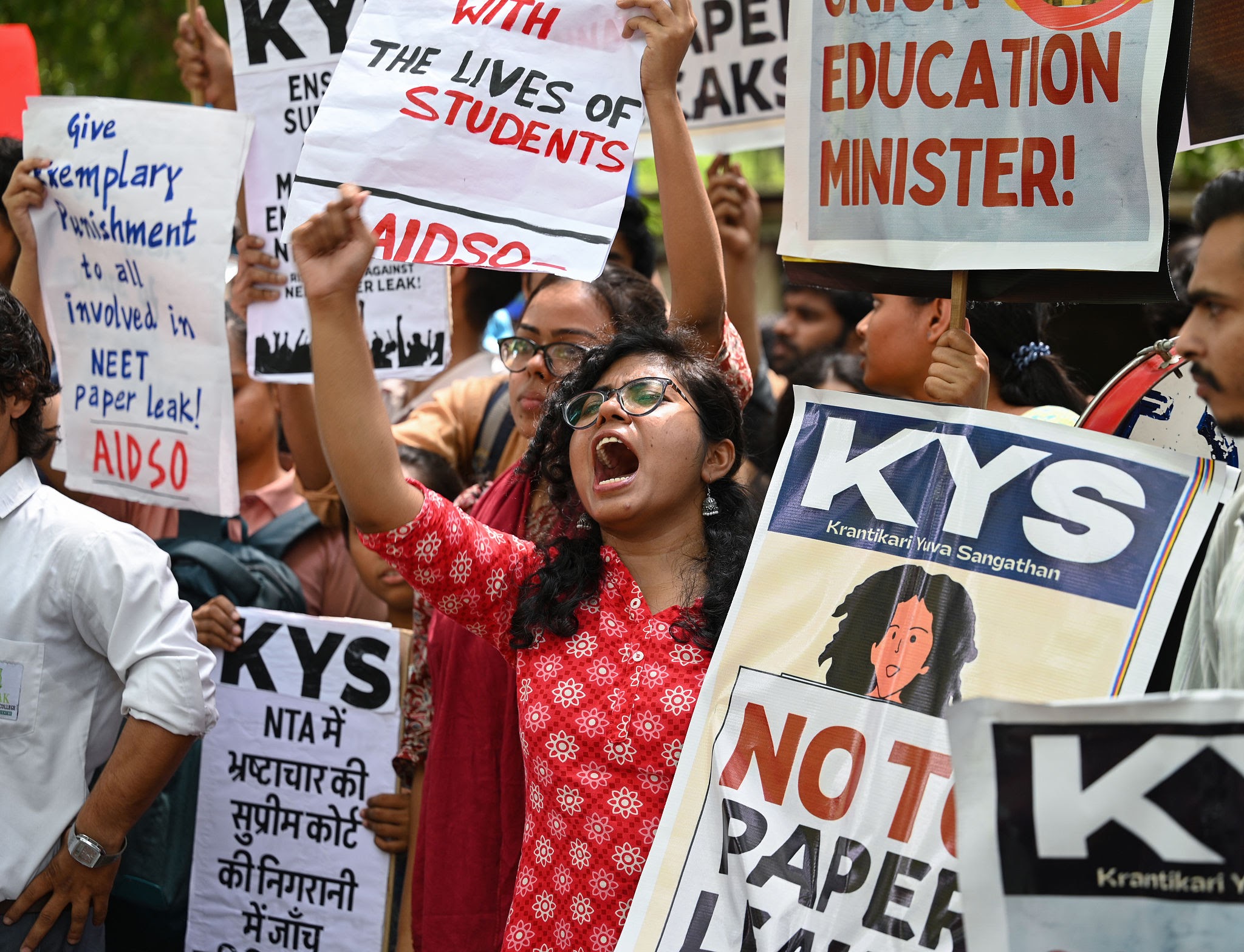
The exit of the 57-year-old senior BJP leader—who oversaw critical portfolios including Skill Development, Entrepreneurship, and Education—comes as the direct climax of a month-long national movement led by the Cockroach Janta Party (CJP) and allied student bodies at Jantar Mantar. The protests, triggered by systemic irregularities, grace-mark controversies, and organized paper-leak cartels surrounding the NEET-UG and national entrance testing frameworks, created an unprecedented administrative crisis for the central government.
1. The Trigger Events: How the Pressure Built to a Breaking Point
Dharmendra Pradhan’s resignation was not an isolated impulse, but the result of a compounding series of administrative breakdowns, judicial scrutinies, and unrelenting public pressure.
A. The Non-Negotiable Sticking Point in Government Talks
During late-night negotiations between Union Ministers and student representatives, the government conceded on several major procedural demands:
- Granting complete legal immunity from police FIRs for student marchers.
- Agreeing to a dedicated floor debate in Parliament on examination integrity.
- Notifying fast-track courts under the Public Examinations (Prevention of Unfair Means) Act, 2024.
2. Analyzing the Politics: Why the Government Yielded
Inside political corridors, Union Ministers rarely resign under opposition or student pressure unless specific strategic calculations align. Four primary political factors forced the executive's hand:
1. Neutralizing Opposition Strategy Ahead of the Monsoon Session
Leader of the Opposition Rahul Gandhi and the INDIA bloc had signaled plans to completely stall parliamentary proceedings during the Monsoon Session over Pradhan's presence in the Cabinet. By accepting Pradhan’s resignation prior to the session's opening, the ruling NDA deprived the opposition of its primary focal point for parliamentary disruptions.
2. Protecting the Image of the Prime Minister’s Office
Following PM Narendra Modi’s late-night video address to the nation addressing student concerns, maintaining a minister directly associated with systemic examination failures risked diluting the Prime Minister's personal outreach to young voters.
3. What Happens Now? Future Outlook for Indian Education
The resignation of an Education Minister marks a turning point for national testing infrastructure and executive policy.
4. Summary Matrix: Key Dimensions of the Resignation
| Dimension / Aspect | Pre-Resignation Status | Post-Resignation Outlook |
|---|---|---|
| Cabinet Leadership | Dharmendra Pradhan as Union Education Minister. | New Cabinet Minister to be appointed by PM Modi. |
| NTA Administration | Heavily criticized for commercial outsourcing & leaks. | Complete operational restructuring under high-level panel guidance. |
| Student Protests | Mass sit-in at Jantar Mantar demanding ministerial exit. | De-escalation following achievement of core accountability demand. |
🎓 High-Yield Exam Corner for Competitive Aspirants (UPSC / State PSCs / SSC)
GS Paper 2: Indian Polity & Governance
- Ministerial Responsibility (Article 75): Individual Responsibility under Article 75(2) and Collective Responsibility under Article 75(3).
6. Frequently Asked Questions (FAQ)
Why did Union Education Minister Dharmendra Pradhan resign?
Dharmendra Pradhan resigned following intense month-long nationwide student protests led by the Cockroach Janta Party (CJP) at Jantar Mantar and Sonam Wangchuk's 26-day hunger strike demanding executive accountability over NEET-UG paper leaks.
What constitutional provisions apply to ministerial resignations in India?
Under Article 75(2) of the Indian Constitution, ministers hold office during the pleasure of the President (exercised on the PM's advice).
🚀 Stay Ahead in Competitive Exam Prep!
Get instant updates on latest government job notifications, admit cards, exam analysis, and syllabus breakdowns on RRBCONTENTS.
Explore Jobs Portal Join @rrbcontents on Telegram