Home › Blog › The Value Mechanics: A Deep Dive into the World of the ESG Analyst
The Value Mechanics: A Deep Dive into the World of the ESG Analyst
For generations, corporate success was measured by a single, ruthless metric: the bottom line. Quarterly earnings, net profit margins, and earnings per share (EPS) dictated stock prices, executive bonuses, and market sentiment. If a manufacturing plant boosted quarterly margins by dumping toxic run-off into a local river or cutting safety protocols for supply chain workers overseas, financial statements reflected success, not liability.
That paradigm has broken down.
In today’s volatile market, non-financial risks are financial risks. A sudden climate disaster can paralyze a global supply chain overnight. A labor strike over unsafe factory conditions can erase billions in enterprise valuation in hours. A corporate governance scandal involving executive self-dealing can trigger catastrophic regulatory fines and investor flight.
Enter the ESG (Environmental, Social, and Governance) Analyst.
Far from fluff or simple public relations, ESG analysis has emerged as one of the most vital, rigorous, and data-intensive disciplines in global finance and corporate strategy. ESG Analysts evaluate how companies manage environmental stewardship, social responsibility, and corporate governance to quantify risk and unlock long-term value.
Here is an authentic, comprehensive look into what an ESG Analyst actually does, the methodologies they use, the data challenges they navigate, and how to build a career in this rapidly evolving field.

1. Deconstructing the Pillars: What ESG Actually Means
To understand the role of an ESG Analyst, you must first move past the marketing buzzwords. ESG is not a singular score or a moral virtue signal; it is a framework for identifying non-financial risks and operational efficiencies across three distinct domains:
A. Environmental (The E)
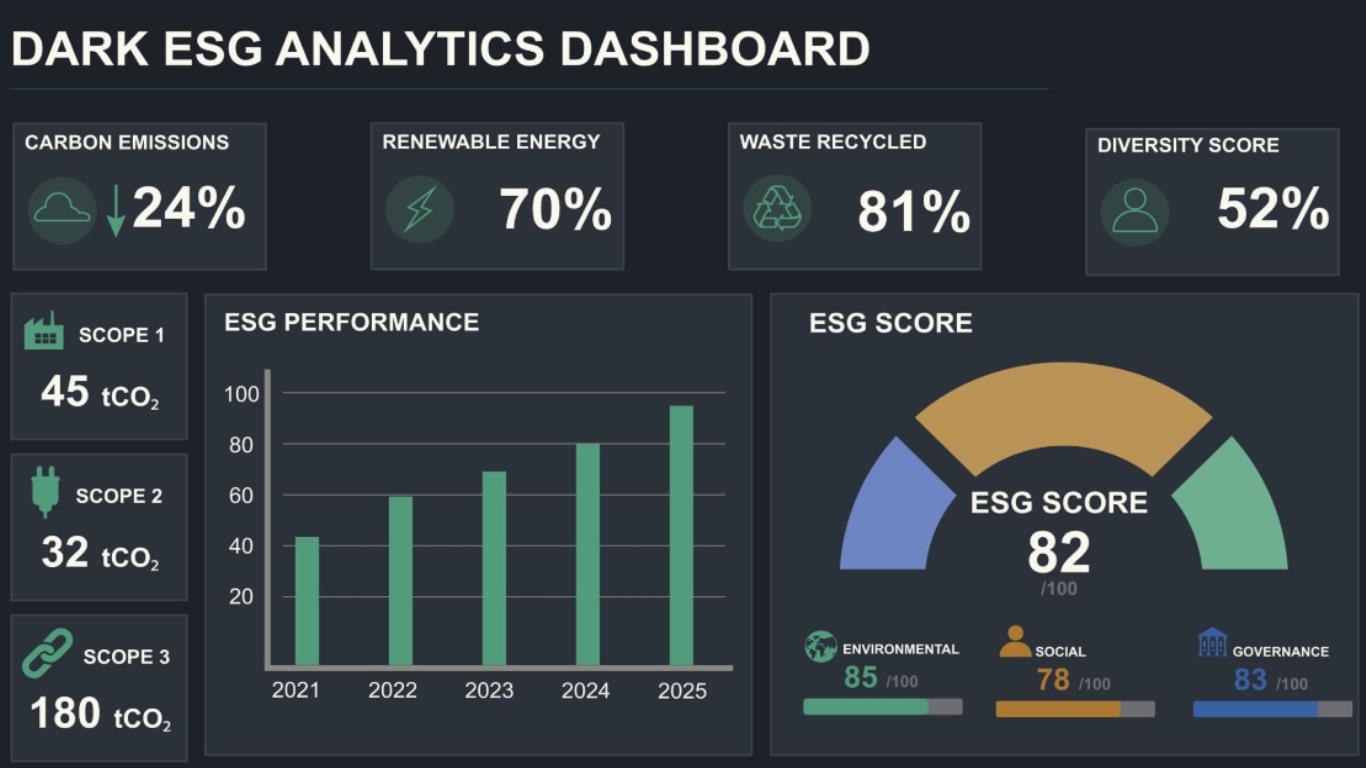
- Greenhouse Gas (GHG) Emissions: Measuring Scope 1 (direct emissions), Scope 2 (indirect emissions from electricity), and Scope 3 (value chain emissions).
- Resource Depletion & Water Security: Assessing water withdrawal in stress regions, raw material sourcing, and deforestation risks.
- Waste & Circular Economy: Evaluating hazardous waste disposal, plastic packaging footprints, and recycling initiatives.
- Physical & Transition Climate Risk: Analyzing extreme weather liabilities and carbon tax impacts.
B. Social (The S)
- Human Capital & Labor Standards: Auditing worker safety, fair wages, employee turnover, and DEI metrics.
- Supply Chain Human Rights: Ensuring vendors avoid forced labor or unsafe factory conditions.
- Product Safety & Data Privacy: Monitoring cybersecurity protocols and product recalls.
- Community Relations: Assessing social license to operate in resource extraction zones.
C. Governance (The G)
- Board Composition & Independence: Evaluating independent board oversight vs insider control.
- Executive Compensation Alignment: Verifying bonuses link to long-term sustainability metrics.
- Accounting Integrity & Tax Transparency: Ensuring honest financial disclosures and tax compliance.
- Anti-Corruption & Whistleblower Policies: Reviewing safeguards against bribery and fraud.
2. What Does an ESG Analyst Actually Do?
There are two primary environments where ESG Analysts operate:
Investment Analyst vs Corporate Sustainability Analyst
Buy-Side / Sell-Side Investment Analysts: Focus on capital protection and alpha generation—integrating ESG into DCF models, managing proxy voting at AGMs, and engaging C-suite executives.
Corporate Sustainability Analysts (In-House): Focus on internal operational audits—gathering cross-department Scope 1-3 GHG metrics, authoring CSRD disclosures, and auditing vendor supply chains.

3. The Analyst's Toolkit: Frameworks, Standards, and Data
An analyst must master key global reporting standards and data ecosystems:
- ISSB (International Sustainability Standards Board): Merges SASB and TCFD into a global baseline financial sustainability standard.
- GRI (Global Reporting Initiative): Standard for broader environmental and societal impact reporting.
- CSRD (Corporate Sustainability Reporting Directive): European Union mandate requiring verifiable disclosures under strict Double Materiality rules.
What is Double Materiality?
Financial Materiality (Outside-In): How sustainability issues (e.g. severe droughts) impact the company balance sheet.
Impact Materiality (Inside-Out): How the company's physical operations (e.g. factory pollution) impact planet and society.
4. How to Become an ESG Analyst: Skills and Roadmap
| Domain | Key Focus Areas | Why It Matters |
|---|---|---|
| Financial Modeling | DCF models, cost of capital calculation, balance sheet analysis | ESG analysis must connect directly to financial value and risk. |
| Data Analytics | Python, SQL, PowerBI, Advanced Excel | Handling massive, unorganized datasets requires automated data pipelines. |
| Regulatory Knowledge | ISSB, CSRD, EU Taxonomy, SEC Climate Rules | Compliance mandates are driving enterprise hiring for analysts. |
| Carbon Accounting | GHG Protocol (Scope 1, 2, and 3 accounting) | The primary quantitative metric used across environmental reporting. |
Top Industry Certifications
CFA Institute Certificate in ESG Investing: Premier global credential for investment professionals.
GARP SCR (Sustainability and Climate Risk): Specialized in financial climate risk modeling.
FSA Credential (ISSB / SASB): Standard for corporate reporting specialists.
Conclusion: The Future of Capital Allocation
The role of the ESG Analyst represents a fundamental evolution in how humanity values business. As global regulatory standards tighten, climate impacts become more pronounced, and investors demand greater transparency, the ability to evaluate a company's total impact—financial, environmental, and social—has become an indispensable business capability.
By bridging the gap between raw data and ethical responsibility, ESG Analysts serve as the navigators of modern capital allocation—ensuring that the corporations of tomorrow are built to be resilient, responsible, and enduringly profitable.
Ready to Build Your Finance & Tech Career in 2026?
Explore comprehensive technical study guides, PYQs, and career intelligence resources on RRBCONTENTS.
Browse Study Guides → View Latest Jobs →Join our official Telegram channel for instant updates: @rrbcontents