Home › Blog › Engineering the Silent Revolution: Inside the World of the EV Powertrain Engineer
Engineering the Silent Revolution: Inside the World of the EV Powertrain Engineer
When you step on the accelerator pedal of a high-performance electric vehicle, there is no roar of an internal combustion engine, no hesitation as a multi-speed transmission hunts for a lower gear, and no gradual buildup of torque. Instead, you experience instantaneous, neck-snapping acceleration in complete silence.
That effortless surge of instantaneous torque feels almost magical to the driver. But underneath the floorboards, it is the result of relentless, precise, and multidisciplinary engineering.
For over a century, automotive engineering was defined by the internal combustion engine (ICE). Legacy automakers competed on the mechanical intricacies of pistons, crankshafts, double-overhead camshafts, and complex multi-ratio gearboxes. Today, the automotive industry is undergoing its most radical transformation since Karl Benz built his first motorcar.
At the absolute heart of this transformation sits the EV Powertrain Engineer.
Unlike traditional automotive engineers who focused primarily on thermodynamics and mechanical linkages, EV Powertrain Engineers operate at the high-stakes intersection of electrochemistry, power electronics, electromagnetics, thermal management, and real-time embedded software control. They are responsible for taking raw chemical energy stored in a high-voltage battery pack and converting it into smooth, efficient, and reliable physical momentum.
Here is an authentic, deep look into the world of an EV Powertrain Engineer—the core components they design, the engineering trade-offs they navigate daily, and how to build a career building the vehicles of tomorrow.
1. Demystifying the EV Powertrain: The Core Building Blocks
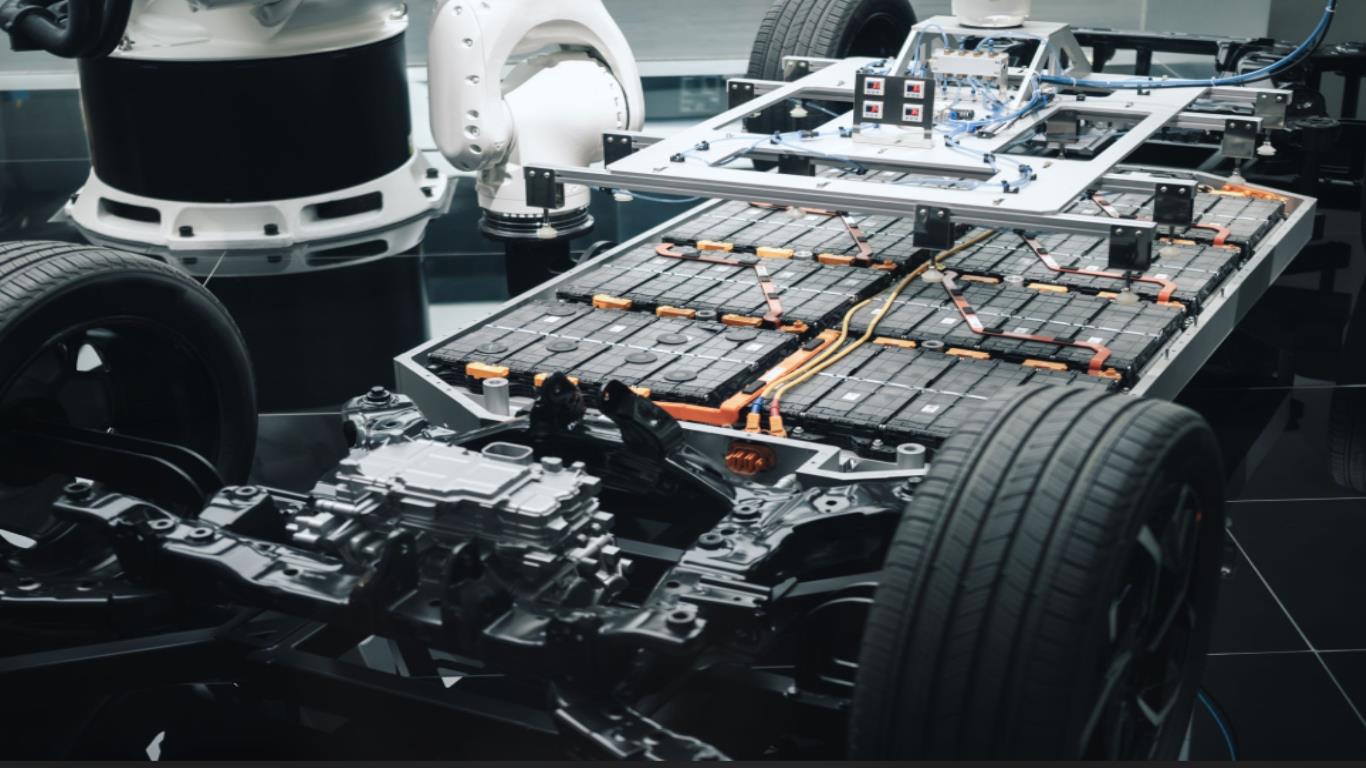
An electric vehicle powertrain simplifies mechanical component count while ramping up electrical and software complexity. The system connects four primary integrated subsystems:
EV Powertrain Subsystem Architecture
[High-Voltage Battery Pack] (DC Energy Storage) → [Traction Inverter] (Converts DC to 3-Phase AC using SiC MOSFETs) → [Electric Traction Motor] (PMSM / AC Induction) → [Single-Speed Reduction Gearbox] (Multiplies axle torque).
Subsystem Deep-Dive
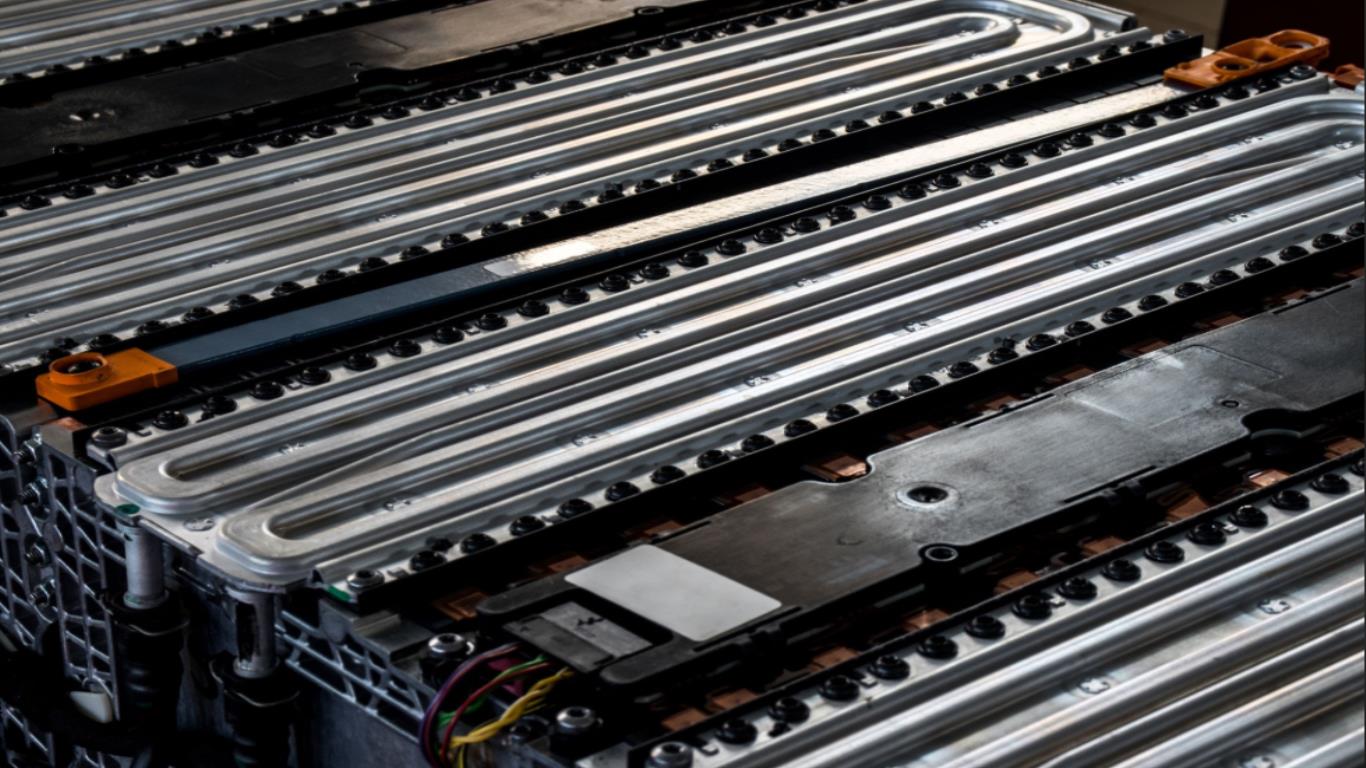
- 1. High-Voltage Battery Pack (BMS): Utilizes NMC or LFP cell chemistries managed by a real-time Battery Management System monitoring cell voltages and thermal limits.
- 2. Traction Inverter: Converts DC to 3-phase AC using advanced Silicon Carbide (SiC) MOSFETs operating on 800V architectures.
- 3. Electric Traction Motor: Permanent Magnet Synchronous Motors (PMSM) or AC Induction Motors delivering high torque density.
- 4. Single-Speed Reduction Gearbox: Fixed gear ratios (typically 8:1 to 11:1) stepping down motor RPMs up to 20,000 RPM.
2. The Ultimate Engineering Puzzle: Managing Heat and Efficiency
While an internal combustion engine converts only 20-30% of energy into motion, high-performance EV powertrains achieve 85-90% efficiency. The remaining 10-15% of energy loss becomes heat, requiring sophisticated multi-loop thermal management systems to protect battery life.
Thermal Management Balancing Act
Extreme Heat (>60°C): Accelerates lithium-ion degradation and thermal runaway risk.
Extreme Cold (<0°C): Increases internal resistance, slowing DC fast-charging and reducing winter range by 20-30%.
3. Regenerative Braking and Driveability Calibration
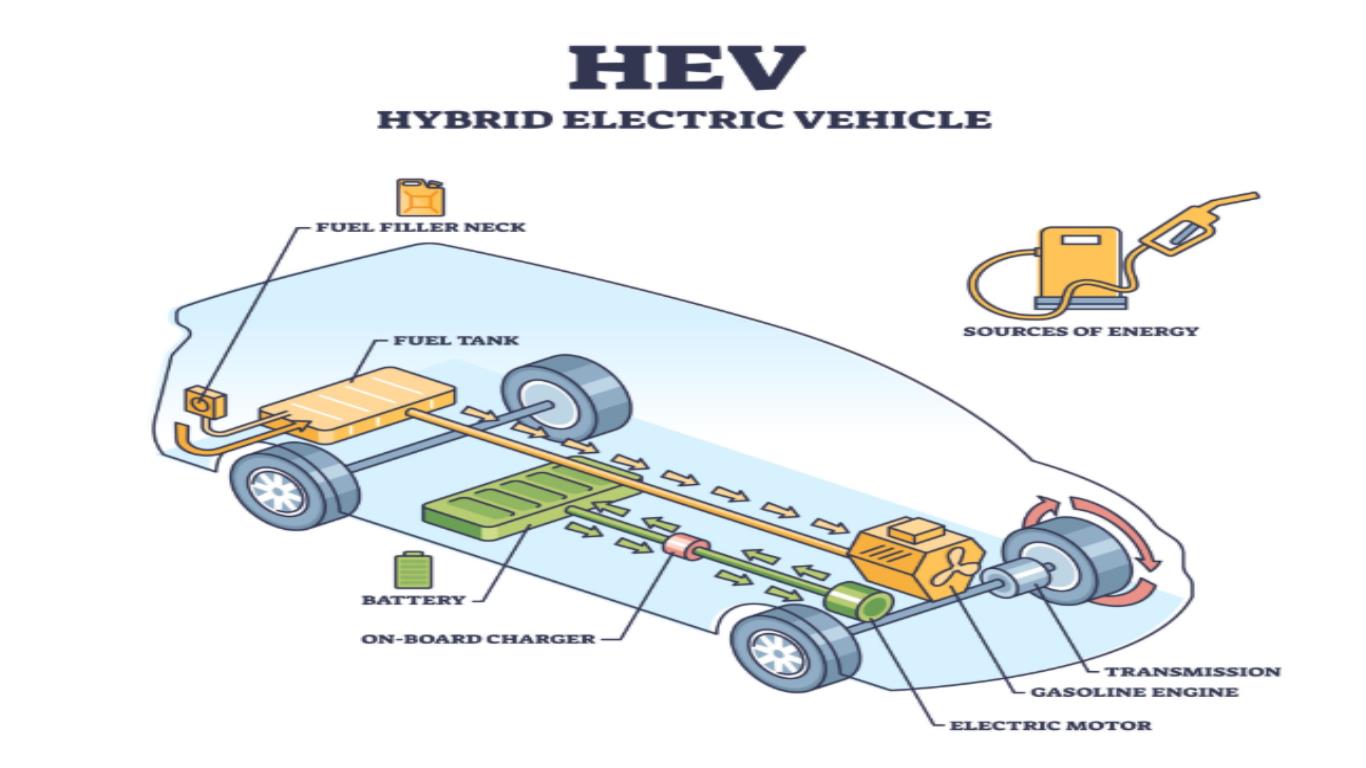
In an EV, lifting off the accelerator pedal reverses the traction motor into an electrical generator, pumping energy back into the high-voltage pack while slowing the vehicle.
The core engineering challenge lies in smoothly blending Electromagnetic Regeneration with Hydraulic Friction Brakes down to the millisecond across varying road friction levels.
4. The Powertrain Engineer's Tech Stack
| Domain | Industry Standard Tools | Primary Application |
|---|---|---|
| System & Control Simulation | MATLAB / Simulink, Amesim | Modeling vehicle dynamics, BMS algorithms, and control loops. |
| Electromagnetic Motor Design | Ansys Maxwell, Altair Flux, JMAG | Finite Element Analysis (FEA) of motor magnetic flux and rotor losses. |
| Thermal & Fluid Dynamics | Ansys Fluent, STAR-CCM+ | Computational Fluid Dynamics (CFD) of battery coolant plates. |
| Vehicle Data & Calibration | Vector CANoe, CANape, INCA | Reading CAN/LIN bus communication and tuning torque maps. |
5. How to Become an EV Powertrain Engineer
- Phase 1: Fundamental Engineering Degree: B.S. in Electrical, Mechanical, or Automotive Engineering with coursework in Electromagnetics, Power Electronics, and C/C++/MATLAB.
- Phase 2: Practical Experience: Join Formula SAE Electric / Formula Student teams and master ISO 26262 functional safety.
- Phase 3: Industry Entry & Progression: Roles in Battery Module Engineering, Inverter Firmware, or Calibration leading to Senior Powertrain Architect positions.
Q: What is the benefit of 800V EV architectures over 400V systems?
A: 800V architectures allow higher power transfer with lower electrical current, drastically reducing wiring harness weight, minimizing heat loss, and enabling 10% to 80% DC fast-charging in under 18 minutes.
Conclusion: The Architects of Tomorrow's Mobility
The shift to electric mobility is more than just a change in energy sources; it is a fundamental reimagining of what an automobile can be.
Achieving a clean, sustainable transportation ecosystem requires far more than dropping a battery into an old car frame. It demands relentless technical innovation, sophisticated thermal management, and flawless integration of high-voltage power electronics and software control.
The EV Powertrain Engineer sits at the forefront of this mobility revolution—designing the silent, powerful, and hyper-efficient propulsion systems that are moving the world into a zero-emissions future.
Ready to Build Your Automotive & Tech Career in 2026?
Explore comprehensive technical study guides, PYQs, and career intelligence resources on RRBCONTENTS.
Browse Study Guides → View Latest Jobs →Join our official Telegram channel for instant updates: @rrbcontents