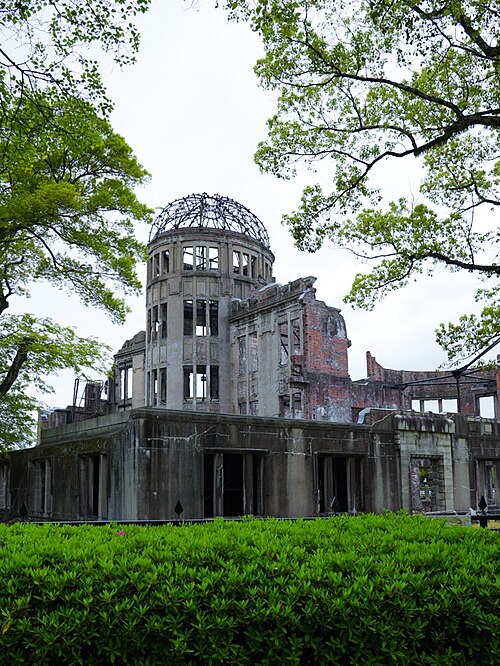
On 6 August 2026, the city of Hiroshima observed the 81st anniversary of the atomic bombing that devastated it at the end of the Second World War. At 8:15 a.m., the exact time the uranium bomb detonated over the city in 1945, a moment of silence was held and the Peace Bell was rung at the annual ceremony in the Hiroshima Peace Memorial Park.
The bombing on 6 August 1945 killed an estimated 140,000 people by the end of that year. Three days later, Nagasaki suffered a similar attack. Together the two bombs claimed around 120,000 immediate lives, with many more dying later from burns and radiation-related illnesses. The survivors, known as hibakusha, continue to live with the long-term effects.
The Peace Declaration
Hiroshima Mayor Kazumi Matsui delivered the Peace Declaration. He warned that downplaying the inhumanity of nuclear weapons and accepting the use of force to pursue national prosperity risked cycles of violent retaliation that could ultimately result in another Hiroshima or Nagasaki. Nuclear weapons, he said, continue to be used by major powers as tools of intimidation in military conflicts.
Matsui urged policymakers to recognise that any use of nuclear weapons would inflict catastrophic damage on humanity and that nuclear non-proliferation and disarmament can only be addressed through multilateral efforts. He called on them to lead by example. As the number of atomic bomb survivors continues to decline, he appealed to younger generations to make the abolition of nuclear weapons common sense in the international community and to help create an environment that does not allow policymakers to rely on nuclear deterrence.
The mayor also updated the register of the names of the fallen atomic bomb victims. The cenotaph now holds 353,639 names, including those whose deaths were confirmed in the past year.
Japanese Government’s Position
Prime Minister Sanae Takaichi attended the ceremony and offered condolences to the victims and sympathies to those still suffering from the after-effects of the bombing. She reaffirmed that Japan upholds the Three Non-Nuclear Principles and, as the only country to have experienced the horror of nuclear devastation in war, carries the mission of persevering in efforts to realise a world free of nuclear weapons.
Takaichi noted that the global security environment is becoming increasingly severe. She referred to the recent Nuclear Non-Proliferation Treaty Review Conference, which demonstrated that the path toward a world without nuclear weapons is far from smooth. Yet, she said, that is precisely why Japan must keep moving forward.
United Nations Message
A message from United Nations Secretary-General António Guterres was delivered by Izumi Nakamitsu, Under-Secretary-General and High Representative for Disarmament Affairs. The message recalled that 81 years earlier Hiroshima had been reduced to ruins and the world had come face to face with the catastrophic power of nuclear war.
It described Hiroshima as an inspiring example of resilience, renewal and hope. The people of the city, across generations, remind the world that even after the darkest moments it is possible to choose and build a different future. The statement warned that the decades-long trend in nuclear arsenal reductions is reversing, the global norm against nuclear testing is under threat, and worldwide military spending jumped to 2.9 trillion dollars in 2025. Nuclear sabres are being rattled once again in the name of power and coercion.
The UN message called for clarity and conviction on the anniversary: choosing dialogue over division, cooperation over confrontation, and common security over narrow advantage, so that the tragedy of Hiroshima is never repeated.
Global Context of the Anniversary
The 2026 observance took place against a backdrop of heightened geopolitical tensions and ongoing armed conflicts. The failure of the latest NPT Review Conference to produce a consensus document underscored the difficulties facing the nuclear non-proliferation regime. References in the Peace Declaration and the UN message to current conflicts and the continued reliance on nuclear deterrence reflected widespread concern that the taboo against the use of nuclear weapons is under strain.
Representatives from approximately 120 countries and regions, including the United States and Iran, attended the ceremony. The presence of a broad international contingent highlighted the continued global resonance of Hiroshima’s message even as nuclear-armed states maintain and, in some cases, modernise their arsenals.
Historical and Moral Significance
The atomic bombings of Hiroshima and Nagasaki remain the only instances of nuclear weapons being used in warfare. The scale of immediate destruction, the long-term suffering of the hibakusha, and the city’s subsequent recovery have made Hiroshima a powerful symbol of both the dangers of nuclear weapons and the possibility of peace.
Each year the Peace Memorial Ceremony serves as a moment of collective remembrance and a platform for renewed appeals for disarmament. The 81st anniversary continued this tradition while situating the call for abolition within the realities of contemporary international politics, where military spending is rising and nuclear rhetoric has reappeared in several conflict zones.
Japan’s Role and Domestic Debate
Japan’s position as the only country to have suffered atomic bombings in war gives its voice particular moral weight in disarmament discussions. At the same time, Japan remains under the United States’ nuclear umbrella and has not signed the Treaty on the Prohibition of Nuclear Weapons. The tension between the Three Non-Nuclear Principles and the security arrangements of the Japan-US alliance continues to shape domestic and international debate.
Mayor Matsui’s call for Japan to participate as an observer in meetings related to the Treaty on the Prohibition of Nuclear Weapons reflected the longstanding desire of many hibakusha and peace groups for stronger official engagement with the prohibition regime.
Exam Relevance
UPSC GS Paper 2 (International Relations)
- Nuclear non-proliferation regime and the NPT Review Conference process
- Treaty on the Prohibition of Nuclear Weapons and the positions of nuclear-armed and non-nuclear states
- Japan’s Three Non-Nuclear Principles and its security policy
- Role of civil society and hibakusha in global disarmament advocacy
GS Paper 1 / World History
- Atomic bombings of Hiroshima and Nagasaki and their place in the end of the Second World War
- Long-term humanitarian consequences of nuclear weapons use
GS Paper 3 / Security
- Contemporary challenges to the nuclear taboo and rising military expenditure
- Risks of escalation in ongoing regional conflicts
SSC / State PSC / Current Affairs
- Date and significance of Hiroshima Day (6 August)
- Key points from the 2026 Peace Declaration by Mayor Kazumi Matsui
- UN Secretary-General’s message on the 81st anniversary
- Updated number of names in the register of atomic bomb victims (353,639 names)
Aspirants should note the exact time of the moment of silence (8:15 a.m.), the main warnings issued by the Hiroshima mayor regarding cycles of retaliation, the Japanese Prime Minister’s reaffirmation of the Three Non-Nuclear Principles, and the UN’s assessment of reversing trends in nuclear reductions and rising military spending. The anniversary provides a recurring opportunity to examine the gap between the moral imperative of disarmament and the strategic realities of nuclear deterrence.
The 81st anniversary of the Hiroshima bombing once again placed the human cost of nuclear weapons at the centre of international attention. Whether the calls for dialogue, cooperation and the eventual elimination of these weapons translate into concrete diplomatic progress remains one of the central challenges of the present global order.
Frequently Asked Questions (FAQ)
Q1. What was the main message of the Hiroshima Peace Declaration on 6 August 2026?
Mayor Kazumi Matsui warned that downplaying the inhumanity of nuclear weapons and accepting the use of force risks cycles of violent retaliation that could lead to another Hiroshima or Nagasaki. He called for the abolition of nuclear weapons and urged policymakers to lead by example.
Q2. What did the Japanese Prime Minister say?
Prime Minister Sanae Takaichi reaffirmed Japan’s Three Non-Nuclear Principles and stated that, as the only country to have suffered atomic bombings in war, Japan has a mission to realise a world free of nuclear weapons.
Q3. What did the United Nations message highlight?
The message from Secretary-General António Guterres, delivered by Izumi Nakamitsu, warned that nuclear arsenal reductions are reversing, the norm against testing is under threat, and military spending reached 2.9 trillion dollars in 2025. It called for dialogue, cooperation and common security.
Q4. How many names are now in the register of atomic bomb victims?
The register updated at the 2026 ceremony contains 353,639 names.