 RRB
RRB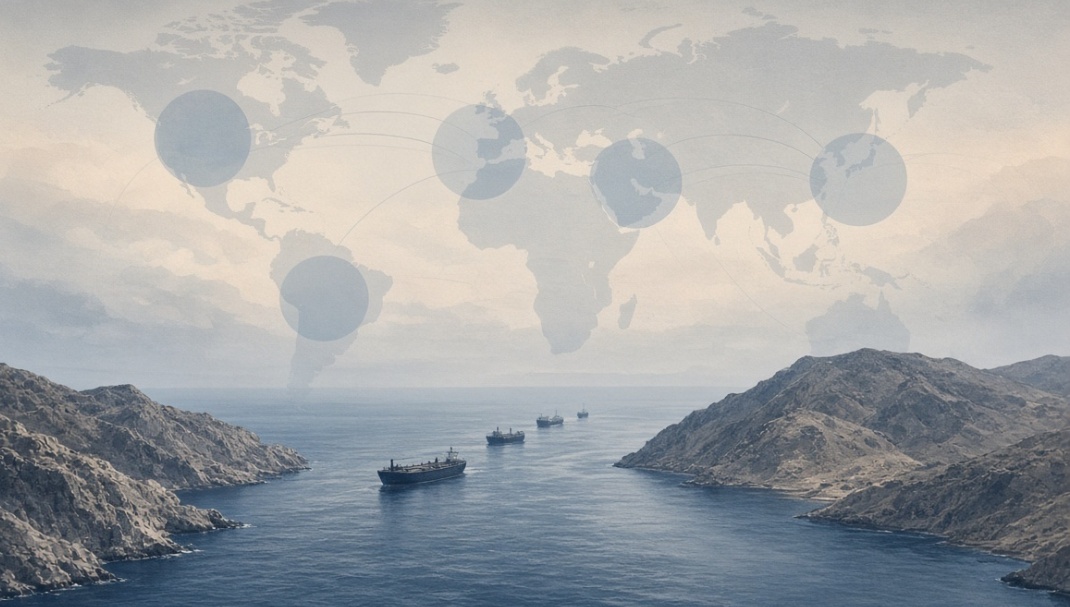
Some stories refuse to leave the headlines. The Strait of Hormuz is one of them.
On Tuesday, Iran’s top negotiator and Parliament Speaker Mohammad Bagher Ghalibaf stood up and said it plainly: the strait will not reopen until the United States meets a set of conditions. Those conditions are the same ones Tehran has been repeating for weeks — lift the naval blockade on Iranian ports, remove oil sanctions, release frozen Iranian assets, and stop military threats and operations.
The 60-day window that came with the interim understanding signed in June has now expired. Neither side showed any real appetite to extend it. And so the waterway that normally carries about one-fifth of the world’s oil and LNG continues to sit under a heavy cloud of uncertainty.
Two Completely Different Stories
Here is where it gets strange. Iran says the strait is closed and will stay closed. US President Donald Trump, posting on Truth Social the same day, insisted the opposite. He said the naval blockade remains in full force, that all water mines have been removed or detonated, and that the Hormuz Strait is “open and operating.”
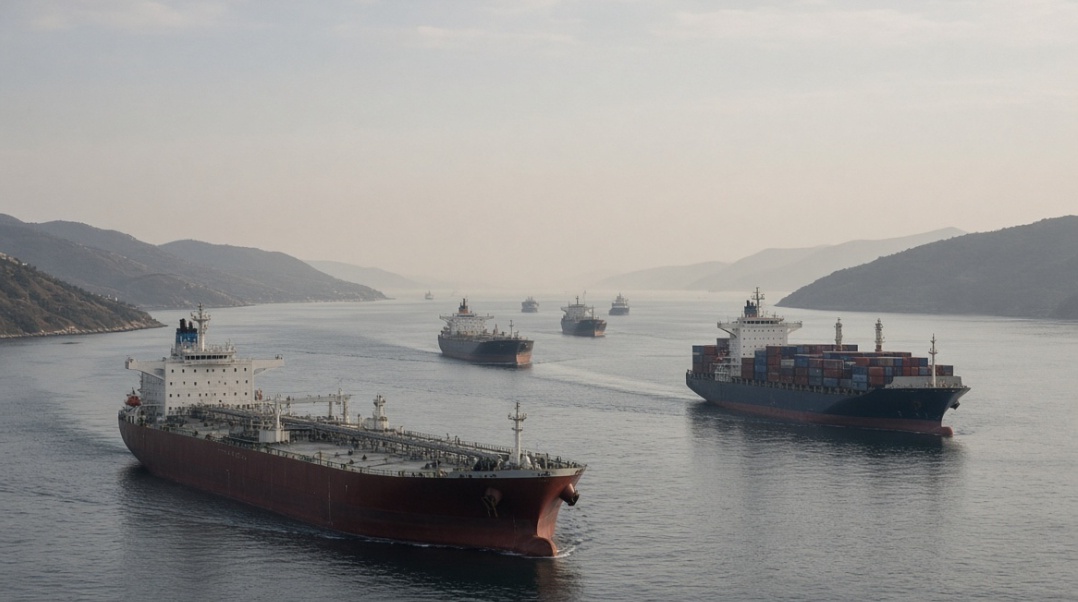
Shipping data tells a quieter, more anxious story. Traffic is a fraction of what it used to be. War-risk insurance is still extremely expensive. A few vessels are still moving, but many operators are simply staying away. On the same day Ghalibaf spoke, the UK Maritime Trade Operations reported that a ship leaving the strait was hit by an unidentified projectile. One crew member was injured.
So while the politicians argue about whether the strait is open or closed, the people who actually move oil and goods through it are treating it as high-risk territory.
How We Got Here
Back in June, the United States and Iran signed a memorandum of understanding. It was supposed to pause the fighting and give both sides 60 days to work out a longer arrangement. One of the key points was the safe passage of commercial vessels through Hormuz. Iran said it would make arrangements for that passage. The United States wanted free and unrestricted navigation.
The problem was that the two sides never really agreed on what “arrangements” meant. Iran saw it as a chance to formalise its role in managing the waterway. The United States saw it as a temporary measure that should lead back to normal international passage. Once the fighting cooled, those differences came back into the open.
Now the deadline has passed. Ghalibaf’s statement on Tuesday was the clearest signal yet that Tehran is in no hurry to reopen the strait without getting something concrete in return.
Why This Matters Beyond the Region
You do not need to follow Middle East politics every day to feel this one. When the Strait of Hormuz is under pressure, oil prices move. Shipping routes get longer and more expensive. Insurance costs climb. Energy-importing countries, including India, watch the numbers carefully because every extra dollar on a barrel of oil shows up somewhere — in fuel prices, in freight rates, eventually in daily life.
The markets have already been reacting for months. Every time the rhetoric hardens, traders price in the risk. Every time there is talk of a breakthrough with Oman or another mediator, prices ease a little. Right now, the harder line from Tehran is the dominant note.
What Comes Next
There is still talk of technical discussions between Iran and Oman about possible shipping routes. Those conversations have been going on for some time. But Ghalibaf’s statement made it clear that any route map is secondary. The bigger political conditions come first, at least as far as Tehran is concerned.
On the American side, Trump has said there are no talks planned and none scheduled. The blockade of Iranian ports, he insists, stays in place.
So for now, the strait remains a place of competing claims and limited traffic. The oil still has to move somehow. The ships that do sail through it do so carefully. And the rest of the world keeps watching a narrow stretch of water that has, once again, become one of the most important pieces of real estate on the planet.
It is not the kind of story that ends cleanly in a single day. It just keeps sitting there, heavy and unresolved, while everyone else tries to calculate the cost.