Monsoon Strikes Hard: IMD Sounds Alert
Extremely Heavy Rainfall Warned Across Multiple States Over Next 48–72 Hours
Home › Blog › Science & Tech › Meteorology
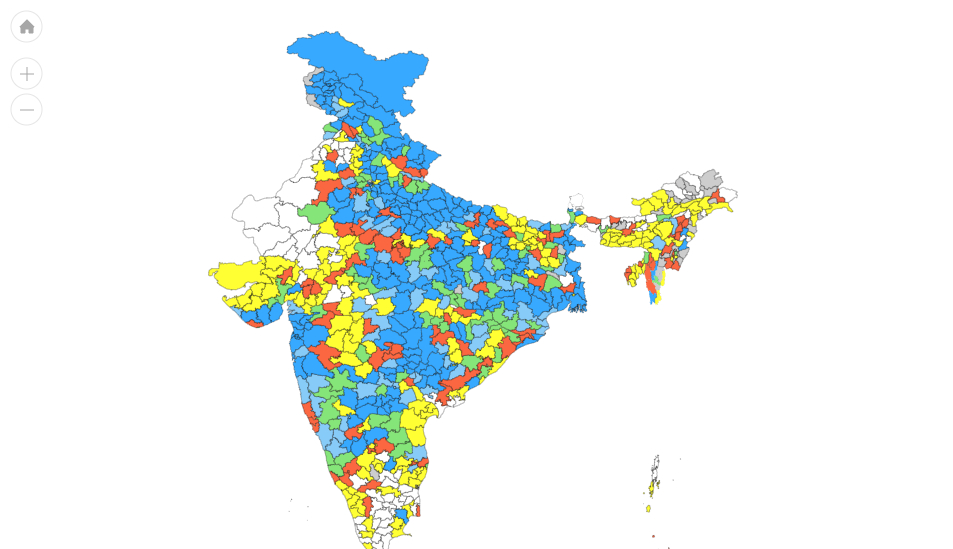
The skies over India are turning restless. The India Meteorological Department (IMD) has issued strong warnings of heavy to extremely heavy rainfall across several states, with some regions staring at the possibility of intense downpours that could disrupt daily life, trigger landslides, and swell rivers.
According to the latest IMD bulletin:
Earlier alerts had already flagged Uttarakhand, parts of Uttar Pradesh, Bihar, and the Northeast (Assam & Meghalaya) for heavy to very heavy rain. The monsoon, which had been relatively subdued in some parts, is now strengthening again over northern, eastern, and western India.
In the hills of Himachal and Jammu & Kashmir, the combination of intense rain and fragile slopes raises the risk of landslides and flash floods. Rivers are filling up quickly, and local tributaries are at risk of overflowing. In Gujarat and Maharashtra, urban areas could face waterlogging and traffic chaos. Local administrations have already deployed response teams and advised people in vulnerable zones to stay alert. Residents are urged to avoid unnecessary travel in hilly regions and keep a close watch on local weather updates.
Alongside the heavy rain, thunderstorms and intense lightning strikes are also expected in several places, which could lead to power disruptions and safety risks in open fields.
IMD continues to update its forecasts frequently as weather patterns evolve. Residents in the affected states are urged to follow these guidelines:
The next 48–72 hours will be crucial for public safety and infrastructure management. Keep checking official IMD updates and local weather bulletins for the latest changes in alert levels.
A) ISRO
B) IMD (India Meteorological Department)
C) NDMA
D) IITM
Correct Answer: B
Explanation: The India Meteorological Department (IMD) is the government agency responsible for meteorological observations, weather forecasting, and seismology.
A) Ministry of Earth Sciences
B) Ministry of Environment, Forest and Climate Change
C) Ministry of Home Affairs
D) Ministry of Science and Technology
Correct Answer: A
Explanation: IMD is an agency under the Ministry of Earth Sciences, Government of India.
A) High tectonic activity and low rainfall
B) Heavy rainfall, steep slopes, and fragile geological formations
C) High wind speeds and deforestation only
D) River bank erosion in the plains
Correct Answer: B
Explanation: Steep terrain, fragile rock formations (tectonically active), and heavy monsoon rainfall are the main drivers of landslides in the Himalayas.
A) Pune
B) Mumbai
C) New Delhi
D) Kolkata
Correct Answer: C
Explanation: The headquarters of the IMD is located in Mausam Bhavan, Lodhi Road, New Delhi.
A) Cloudburst and Flash Flood
B) Tsunami
C) Cyclone
D) Drought
Correct Answer: A
Explanation: Heavy rain in short durations in hilly areas triggers cloudbursts, leading to rapid flash floods that sweep through valleys.
Jammu & Kashmir, Ladakh, Himachal Pradesh, and Gujarat are under severe alerts, with extremely heavy rainfall likely at isolated places.
The extremely heavy rain warnings cover July 21 and 22, 2026, especially for Himachal Pradesh, Jammu & Kashmir, and Gujarat.
The major hazards are landslides and flash floods in hilly regions (J&K, Himachal, Ladakh), and waterlogging and traffic congestion in urban plains (Gujarat, Maharashtra).
Citizens are advised to avoid crossing swollen streams, stay away from landslide-prone slopes in hills, avoid unnecessary travel, and monitor local disaster management updates.
Test your understanding of geography, climate patterns, and disaster protocols for upcoming exams.
Solve PYQs → Study Notes →Join our official Telegram community for daily study updates: @rrbcontents