 RRB
RRB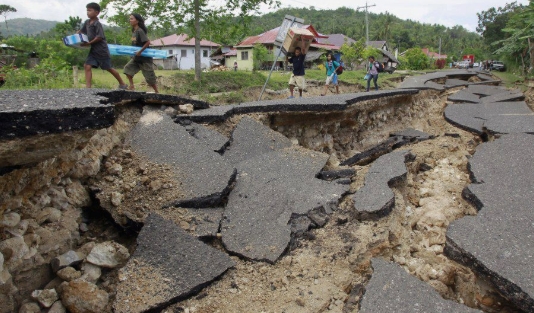
A powerful magnitude 7.7 earthquake struck eastern Indonesia on Saturday, 15 August 2026, leaving at least 53 people dead and thousands displaced. The tremor, centred near the island of Flores in East Nusa Tenggara province, triggered landslides, damaged more than a thousand buildings, and sent residents fleeing into the open as aftershocks continued through the night and into Sunday. According to the United States Geological Survey, the quake occurred at a relatively shallow depth of around 15 kilometres. Shallow earthquakes of this strength often cause greater surface damage because the energy is released closer to the ground. Within hours, local disaster agencies reported collapsed houses, blocked roads, and communities cut off by debris. By Sunday evening the death toll had climbed to 53 as rescue teams recovered more bodies from the rubble. Officials said more than 1,300 homes and other structures had been severely damaged. Approximately 5,000 people have been moved to temporary shelters. Three helicopters and a rescue boat were deployed to reach isolated areas where landslides had cut off road access.
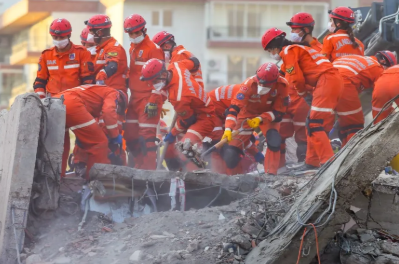
Indonesia sits on the Pacific Ring of Fire, a zone of intense seismic and volcanic activity that circles the Pacific Ocean. The country experiences frequent earthquakes, some of them catastrophic. The 2004 Indian Ocean tsunami, triggered by a massive undersea quake off Sumatra, remains the deadliest natural disaster in modern Indonesian history. More recent events, including the 2018 Sulawesi earthquake and tsunami and the 2022 West Java quake, have kept the nation on constant alert. This latest tremor is the deadliest in Indonesia since 2022. Residents described the ground shaking violently for nearly a minute. In several villages, people ran out of their houses carrying children and the elderly. Power supply was disrupted in parts of the affected region, and communication networks came under strain as families tried to contact one another. National disaster response teams have been mobilised. The Indonesian government has appealed for calm while prioritising search and rescue. Medical teams are treating the injured, many of whom suffered fractures and trauma from falling debris. Temporary shelters have been set up in schools and community halls, though conditions remain basic. Seismologists note that the high number of aftershocks — more than a thousand recorded in the first 24 hours — is typical after a large mainshock. While most aftershocks are smaller, they can still bring down weakened structures and heighten fear among survivors. Authorities have advised people to stay outdoors or in open spaces until buildings are checked for safety. International agencies are monitoring the situation. Neighbouring countries and humanitarian organisations have offered assistance if required. For now, the Indonesian authorities say they are managing the response with national resources, though the full scale of needs will become clearer once access to all affected villages is restored. Earthquakes of this magnitude serve as a recurring reminder of the vulnerability of communities living along active fault lines. Building standards, early warning systems, and public preparedness have improved in Indonesia over the past two decades, yet the combination of dense rural settlements, mountainous terrain, and limited infrastructure in eastern islands continues to amplify the human cost when a strong quake strikes. As rescue work continues, the focus remains on locating any remaining survivors, providing medical care, and ensuring that displaced families have food, water and shelter. The coming days will determine how high the final toll rises and how quickly the affected region can begin the long process of recovery.