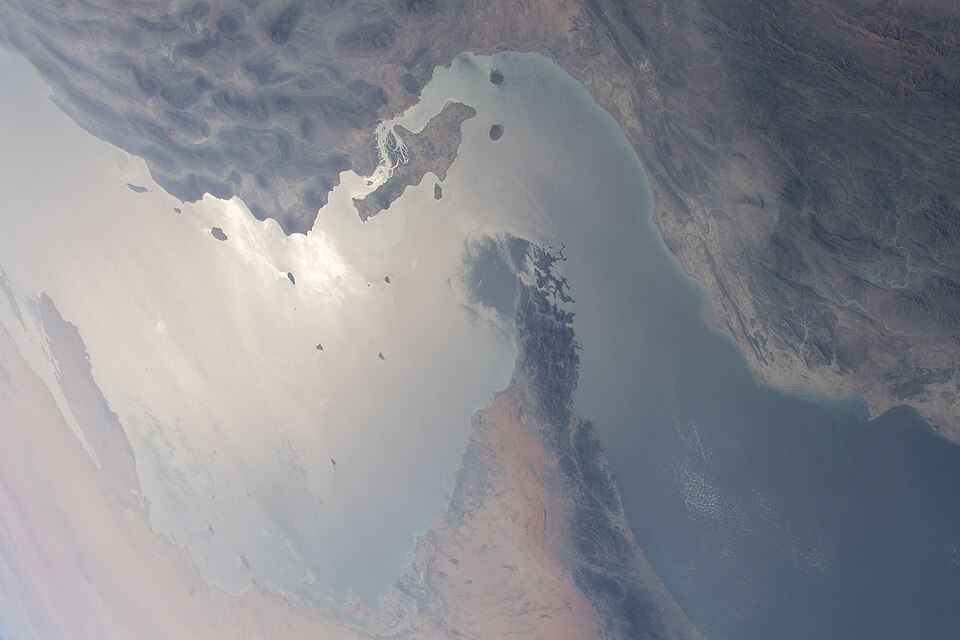
Iran and Oman have reached a mutual understanding on the geographic coordinates of a proposed shipping route through the Strait of Hormuz. Iranian Foreign Ministry spokesperson Esmaeil Baghaei stated on 5 August 2026 that the two sides had agreed on the geographical parameters and that a joint statement was in the final stages of drafting, provided “certain third parties” did not obstruct the process.
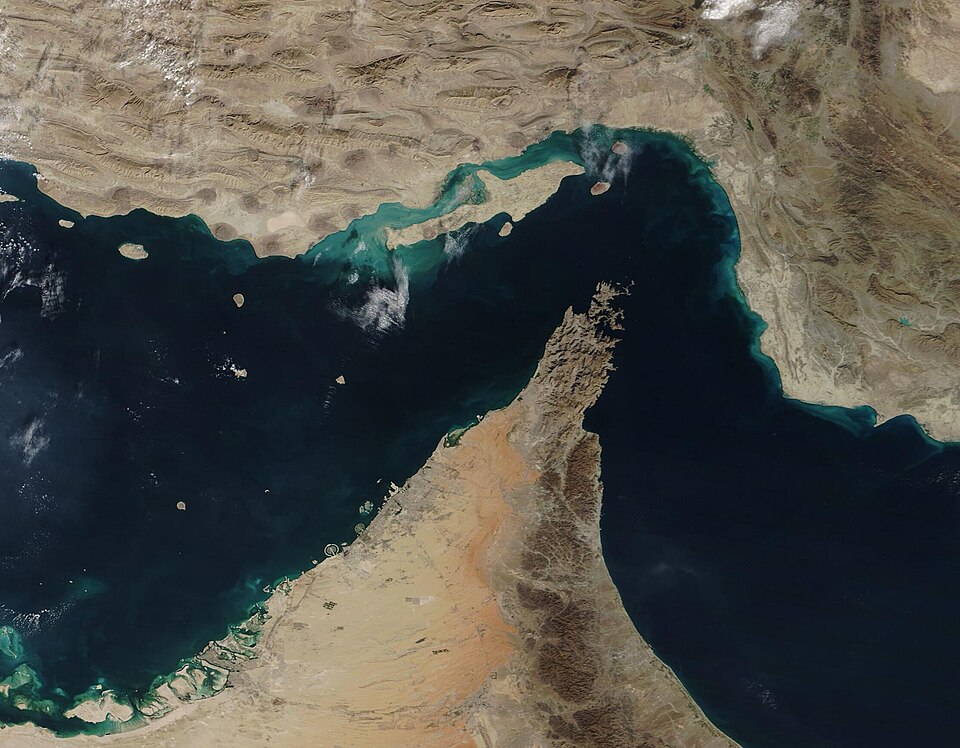
The development comes after months of restricted traffic through the world’s most critical energy chokepoint following the escalation of hostilities that began in late February 2026. Iranian officials have described the arrangement as temporary, lasting two to four months (or around 60 days according to some regional sources), during which vessels would primarily enter via waters closer to the Iranian coast and exit largely through Omani waters. Existing temporary northern and southern routes would be replaced by a single coordinated corridor. Iranian sources have indicated that Tehran would exercise significant oversight over inbound traffic—an arrangement that represents a notable shift from the pre-conflict status of the strait as an open international waterway.
Baghaei was careful to note that any Iran-Oman understanding alone would not guarantee security in the waterway, pointing to the continuing US naval presence and broader regional tensions. Separate reporting from regional officials and Iranian sources suggested that the deal would give Iran greater practical control over ships entering the Persian Gulf. Questions remain over possible “service fees” linked to environmental, security and staffing costs. Iranian positions have floated higher figures, while Omani and US preferences lean toward zero or minimal charges. US officials have publicly pushed back against any framework that formalises Iranian approval or levies for transit.
Oil Market Reaction
Markets responded with cautious relief. On 6 August 2026, Brent crude was trading near $79–$80 per barrel, extending recent declines driven by hopes of progress toward restored Hormuz flows and a broader US-Iran understanding. Prices had already retreated from levels above $100 seen earlier in the crisis. Traders remain wary: physical volumes through the strait are still far below the pre-war daily average of roughly 20 million barrels of oil and petroleum products, and any agreement is framed as provisional.
The Strait of Hormuz normally handles about one-fifth of global seaborne oil and a substantial share of LNG. Prolonged disruption earlier in 2026 forced producers, especially Saudi Arabia and the UAE, to accelerate use of alternative pipelines and Red Sea/Fujairah loadings. A durable reopening would ease the logistical backlog and reduce the geopolitical risk premium, but analysts note that inventories inside the Gulf are lower than in previous crises, limiting the scale of any immediate supply surge.
India’s Exposure and Response
India, the world’s third-largest oil importer, felt the impact sharply in the early months of the crisis. Before the restrictions, roughly 45 percent of India’s crude imports, a large share of its LNG, and the overwhelming majority of its LPG passed through or originated from the Hormuz corridor. India’s crude basket price rose sharply, peaking well above $110 per barrel in April 2026.
New Delhi responded with rapid diversification. By May 2026, the share of crude arriving via non-Hormuz routes had risen to around 70–75 percent, up from about 55 percent pre-crisis. Russian volumes increased significantly, Saudi crude shifted toward Yanbu loadings on the Red Sea, and UAE supplies moved via Fujairah. Qatar’s LNG shipments to India dropped to near zero for several months. Petroleum Minister Hardeep Singh Puri informed Parliament that the government and refiners had managed the transition without retail fuel shortages or forced price spikes at the pump, helped by strategic stocks, commercial inventories, and temporary fiscal measures including excise adjustments.
India’s strategic petroleum reserves currently provide limited cover—roughly 9–10 days of consumption at the existing three facilities (Visakhapatnam, Mangaluru and Padur)—though expansion plans for additional capacity are under discussion. The episode has reinforced the long-standing policy priority of supplier diversification, greater use of non-Gulf sources, and accelerated SPR build-out.
Longer-term Strategic Picture
Even if the current Iran-Oman understanding is finalised and traffic improves, the underlying contest over control of the strait is unlikely to disappear. Iran views influence over the waterway as critical leverage. Gulf producers are investing heavily in bypass capacity (Saudi East-West pipeline expansions, UAE Fujairah route upgrades). For India, the episode underlines that energy security cannot rest on a single maritime chokepoint. Continued engagement with Russia, the United States, African and Latin American suppliers, and investments in domestic refining flexibility and storage remain essential.
Exam Relevance (UPSC, SSC, RRB, Bank)
- GS Paper 2 / International Relations: Strait of Hormuz as a global commons and chokepoint; Iran-Oman diplomacy; US-Iran dynamics post-February 2026 escalation; India’s energy diplomacy and multi-alignment.
- GS Paper 3 / Economy & Energy Security: India’s crude import dependence, impact of supply shocks on inflation and current account, strategic petroleum reserves, diversification strategy.
- Current Affairs (SSC/Bank/RRB): Recent oil price trends, India’s import restructuring during the 2026 crisis, temporary nature of the Iran-Oman route understanding.
- Map-based / Factual: Location of Strait of Hormuz (between Persian Gulf and Gulf of Oman), bordering Iran and Oman (Musandam), approximate share of global oil trade.
Aspirants should note the difference between a bilateral understanding on coordinates and a full, durable reopening of the strait. Statements from Iranian officials emphasise that security also depends on resolution of the wider US-Iran issues, including the status of the naval blockade and sanctions.
The coming days will show whether the joint statement materialises without obstruction and whether physical tanker traffic recovers meaningfully. For India, the immediate priority remains maintaining diversified supply lines while monitoring price and volume developments closely.
Frequently Asked Questions (FAQ)
Q1. What is the latest Iran-Oman understanding on the Strait of Hormuz?
As of 5 August 2026, Iran and Oman have reached a mutual understanding on the geographic coordinates of a proposed temporary shipping route through the Strait of Hormuz. A joint statement is in the final drafting stage.
Q2. How has the news affected oil prices?
Brent crude was trading near $79–$80 per barrel on 6 August 2026, reflecting cautious market relief on hopes of improved Hormuz transit, though volumes remain well below pre-crisis levels.
Q3. What is the impact on India’s oil imports and economy?
India diversified supply routes during the 2026 crisis, raising the non-Hormuz share of crude imports to around 70–75 percent by mid-2026 through higher Russian volumes and alternative Gulf loadings, while avoiding retail fuel shortages.