 RRB
RRB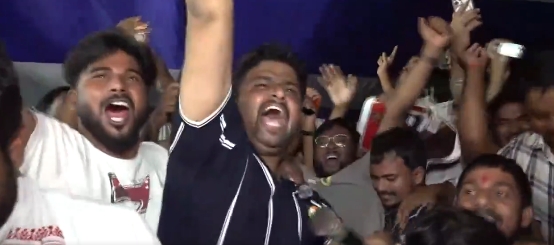
After more than three weeks of continuous protest in Ranchi, the Jharkhand government has finally given in on one of the biggest demands of job aspirants. On Monday night, Chief Minister Hemant Soren announced that the JSSC-CGL examination stands cancelled. Along with it, every examination conducted by the private agency TDPL will also be scrapped.
The decision came after an emergency Cabinet meeting that stretched for hours. For the students who had been sitting on the ground, some of them on hunger strike, it was the breakthrough they had been waiting for.
What Exactly Has Been Cancelled
The JSSC Combined Graduate Level exam was at the centre of the agitation. Students alleged large-scale irregularities in the way the exam was planned and conducted. The government has now decided to cancel it completely.
But the announcement went further. All examinations handled by TSR Data Processing Private Limited, better known as TDPL, are being cancelled. This includes results that were already declared and selections that had been made through those processes. The Chief Minister said the government was cancelling “everything associated with TDPL.”
A committee headed by senior IAS officer Amitabh Kaushal has been formed to look at reforms in the examination system. The Crime Investigation Department has also been asked to examine irregularities going back to 2014.
How the Protest Built Up
The agitation started quietly and then grew. Job aspirants in Ranchi accused the recruitment process of being riddled with leaks, irregularities and favouritism. Many of them had prepared for years. When they felt the system itself was compromised, they took to the streets.
The protest at Jaipal Singh Munda Ground stretched into its 24th day. A few students went on hunger strike. Their health began to deteriorate. Political leaders visited, statements were issued, but the main demand — cancellation of the disputed exams — remained unmet until Monday.
By the time the Cabinet met, the pressure had become hard to ignore. Ministers met the students. The hunger strikers were still holding out. The government finally decided to act.
What the Chief Minister Said
Hemant Soren told reporters that the government had looked at every side of the issue. “We have decided to cancel everything associated with TDPL — the examinations, the results, the candidates selected or who participated, and all other activities carried out by the agency,” he said.
He also mentioned that investigations by the CID and a special team had brought out “surprising factors.” He chose not to share the details publicly at this stage. The government, he added, is serious about cleaning up the process so that future examinations do not face the same cloud of doubt.
Students React, But Some Questions Remain
After the announcement, several student leaders ended their hunger strike. Ministers were present when they broke their fast at the hospital. For many of the young people who had spent weeks on the protest ground, it felt like a victory.
Yet the agitation has not been completely withdrawn. One major demand still hangs in the air — a CBI inquiry into the entire examination process. The state government has ordered a CID probe and formed a reform committee, but the students who want a central agency investigation are not fully satisfied yet.
Some of those who had already been selected through earlier TDPL-linked processes are also anxious. Their appointments now stand cancelled. What happens to them, and how the government handles the fallout, will become clearer in the coming days.
Why This Matters
Recruitment examinations decide the future of lakhs of young people in Jharkhand. When trust in those exams breaks down, the anger runs deep. Paper leaks, irregularities and private agencies handling sensitive tests have become recurring issues in several states. Jharkhand’s protest is part of that larger story.
By cancelling the exams and ordering a wider probe, the government has tried to stop the immediate crisis. Whether it can rebuild confidence in the system will depend on how transparent and thorough the next steps are.
/video/1
For the students who sat through rain and heat for more than three weeks, Monday’s decision brought relief. Many of them will now wait to see if the promised reforms actually change the way examinations are conducted in the state. The hunger strikes have ended. The larger fight for a cleaner recruitment process, however, is far from over.