 RRB
RRB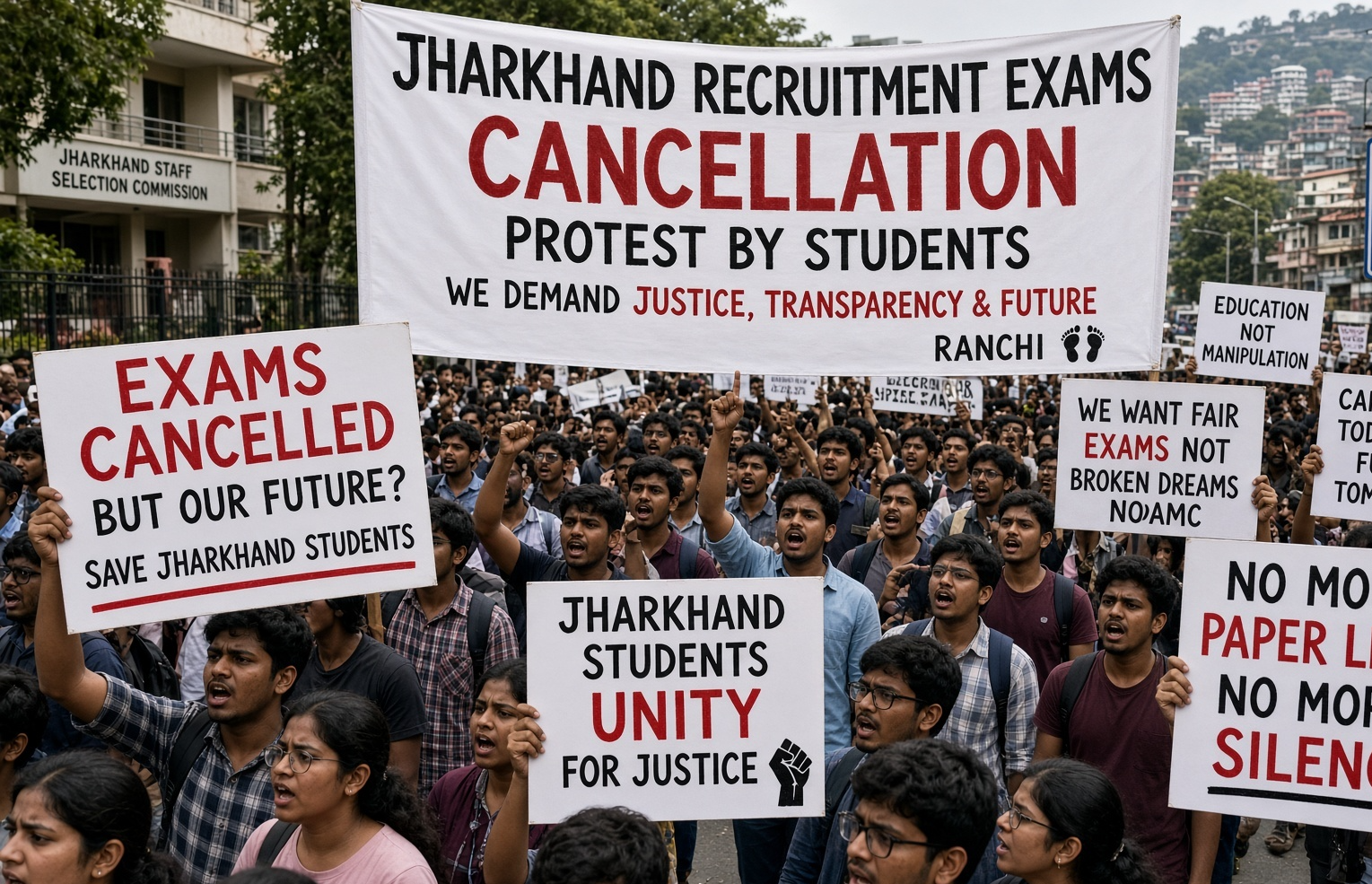
Jharkhand recruitment exams has cancelled 44 recruitment exams. As a result, thousands of aspirants now face uncertainty. The order covers tests by JPSC and JSSC. In addition, it includes papers linked to the private agency TDPL since 2014.
This decision came after nearly a month of student protests in Ranchi. Students had alleged large-scale irregularities in Jharkhand recruitment exams. Therefore, the Cabinet acted on 17 August. Consequently, formal notifications were issued on the night of 18 August.
For many families, a government job is the main hope of stability. When exams collapse after years of effort, the impact is personal. Because of this, the story matters deeply. Meanwhile, a two-month clock is now running on reforms.
What the Government Decided
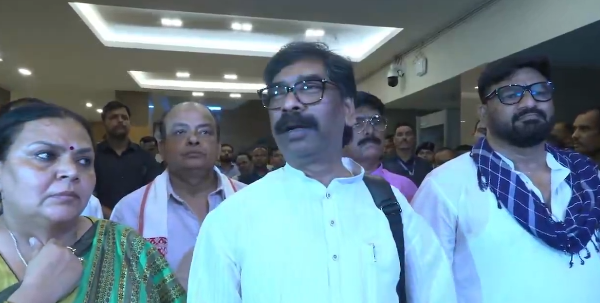
Chief Minister Hemant Soren announced the decision after a long Cabinet meeting. First, the government cancelled the JSSC Combined Graduate Level exam. In addition, it scrapped all examinations linked to TSR Data Processing Private Limited. That agency is also known as TDPL.
Eight notifications listed 44 recruitment processes. For example, the list includes drug inspectors and assistant professors. It also covers deputy collectors, dental doctors and assistant engineers. Moreover, civil judges and additional public prosecutors appear on the same list.
Forest range officers are included as well. Similarly, polytechnic lecturers and senior scientific officers are covered. In the same way, assistant conservators of forests form part of the cancelled group. Furthermore, various editions of the Jharkhand Combined Civil Services Examination stand cancelled.
The Chief Minister’s Office confirmed the step on X. Therefore, the official handle stated that all TDPL-linked exams, results and selections stand cancelled. You can read the statement here:
" target="_blank" rel="noopener">@JharkhandCMO post.
Why Students Were Protesting
The agitation began on 25 July at Jaipal Singh Munda Stadium in Ranchi. Students organised under the JPSC-JSSC Reforms Manch. From the beginning, their demands were clear.
They wanted cancellation of exams they believed were tainted. In addition, they sought a CBI probe. They also demanded long-term reforms. Day after day, the protest continued. Meanwhile, some students went on hunger strike. Student leader Devendra Mahto remained on a long fast.
Protesters alleged paper leaks and unfair practices. They also pointed to weak transparency. According to them, private agencies had too much control. However, talks with the government did not satisfy all demands at first.
As the protest entered its later weeks, pressure increased. Students spoke of stronger action if their concerns were ignored. At that point, the Cabinet finally moved. After the cancellations were announced, Devendra Mahto ended his hunger strike. Yet the demand for deeper investigation did not end. Instead, students kept the pressure alive.
The Other Side: Selected Candidates
The same decision that brought relief to one group created panic in another. Around 2,000 candidates had already cleared the JSSC-CGL process. In fact, many had received appointments. Moreover, several had already joined government departments.
These candidates began a counter-protest. They marched from the Secretariat to Birsa Chowk in Ranchi. Their argument was simple. They had studied for years. After that, they cleared the stages and started working. Now their jobs were under threat. As a result, they took to the streets.
This is the hardest part of the story. On one side are students who believe the exams were unfair. On the other side are candidates who followed the process. Both groups feel wronged. Both groups have real concerns. Therefore, the government faces pressure from two directions.
The government has not yet given a full roadmap for those already appointed. Therefore, anxiety continues among selected candidates. As a result, their families also remain worried. In the meantime, clarity is still missing.
What the Government Has Promised
Along with the cancellations, several reform steps were announced. First, the government will request the High Court to set up a fast-track court. In addition, an internal vigilance cell will be created inside JPSC and JSSC.
A reform committee under senior IAS officer Amitabh Kaushal will study the system. It is expected to submit its report within two months. Meanwhile, the CID has been asked to investigate several examinations held since 2014. Furthermore, officials have spoken about cleaner future processes.
These steps sound important on paper. However, students are waiting to see real implementation. Promises alone will not rebuild trust. Instead, action on the ground will matter more. Consequently, the next few weeks will be closely watched.
Students Suspend Protest with a Time Limit
On 19 August, the JPSC-JSSC Reforms Manch suspended the main agitation. The decision came after the government accepted several demands. Therefore, students said they were giving the government two months.
Within this period, they expect progress on reforms. They also expect investigations and future exam safety. If the government fails to deliver, the protest may return. The message was polite but firm. Still, the ultimatum remains active.
This pause is significant. It shows students are willing to give space for solutions. At the same time, it keeps pressure on the administration. Consequently, the next two months will decide whether the crisis cools or rises again. In short, the clock is running.
Why Jharkhand Recruitment Exams Matter
In Jharkhand, government jobs carry heavy social and economic weight. For countless families, one appointment can change living conditions. It can also improve long-term security. When Jharkhand recruitment exams are delayed or cancelled, the cost is not only academic. It is also emotional and financial.
Coaching fees and travel costs hang in the balance. Years of preparation and family expectations also hang in the balance. This is why the protest grew so large. Students were angry about a system they no longer trusted. In fact, repeated complaints about private agencies and paper leaks had already damaged confidence. As a result, the agitation gained strength.
TDPL had handled several major tests over the years. Repeated allegations finally forced the government to cut ties with it. That decision may reduce future risk. However, it does not automatically heal the damage already done. Selected candidates and waiting aspirants still face uncertainty. Therefore, both groups remain anxious.
The Larger National Context
Paper leaks and recruitment scams are no longer limited to one state. Similar problems have appeared in different parts of the country. Therefore, the Jharkhand case is being watched beyond the state.
Aspirants preparing for SSC, RRB and state PSCs see it as part of a bigger pattern. When one state takes strong action, others are expected to follow. In addition, many students now want clearer calendars. They also want transparent cut-offs and stronger monitoring of private agencies. Furthermore, trust in recruitment systems has become a national concern.
Without these changes, trust will remain fragile. Clean exams are not a luxury. Instead, they are the basic requirement of a fair system. Consequently, pressure for reform is rising across states.
What Aspirants Should Watch Now
For students still preparing, the immediate future remains uncertain. New dates for cancelled exams are not yet clear. The reform committee’s report will matter. So will the progress of the CID probe. The proposed fast-track court will also matter. In addition, official communication will be important.
Selected candidates will keep seeking clarity on their service status. Students who protested will keep checking the two-month window. Both groups deserve clear communication from the government. Therefore, silence will only increase tension.
In the meantime, aspirants should rely on official channels only. Rumour and social media speculation can create more confusion. Therefore, official websites and verified government handles remain the safest sources. As a result, students are being advised to stay cautious.
You can follow more exam and current affairs updates on rrbcontents.com. For official information, visit the Jharkhand government website. You can also check the JPSC portal and the JSSC website.
Further reporting is available on The Hindu and The Indian Express. The official CMO handle remains @JharkhandCMO.
Conclusion
The cancellation of 44 Jharkhand recruitment exams is a major decision. It answers part of the students’ demand. At the same time, it creates hardship for those who had already been selected.
The protest has been paused, not closed. The government has two months to show that reforms are real. Investigations must move forward. Future exams must look cleaner and more transparent. Otherwise, the agitation may return.
Until that happens, trust will remain incomplete. For the thousands of young people whose careers depend on these tests, the next few months will matter a great deal. The system has been forced to respond. Now it must prove that the response was more than a temporary fix. Therefore, the coming weeks will be decisive.