Home › Blog › Social Justice › Mid-Day Meal Scheme PM POSHAN
Mid-Day Meal Scheme (PM POSHAN): Historical Origin, Educational Impact & Governance
Track KVS, NVS, State Teacher Recruitment (TET/PRT), and WCD Welfare Officer job alerts on RRBCONTENTS Jobs Portal.
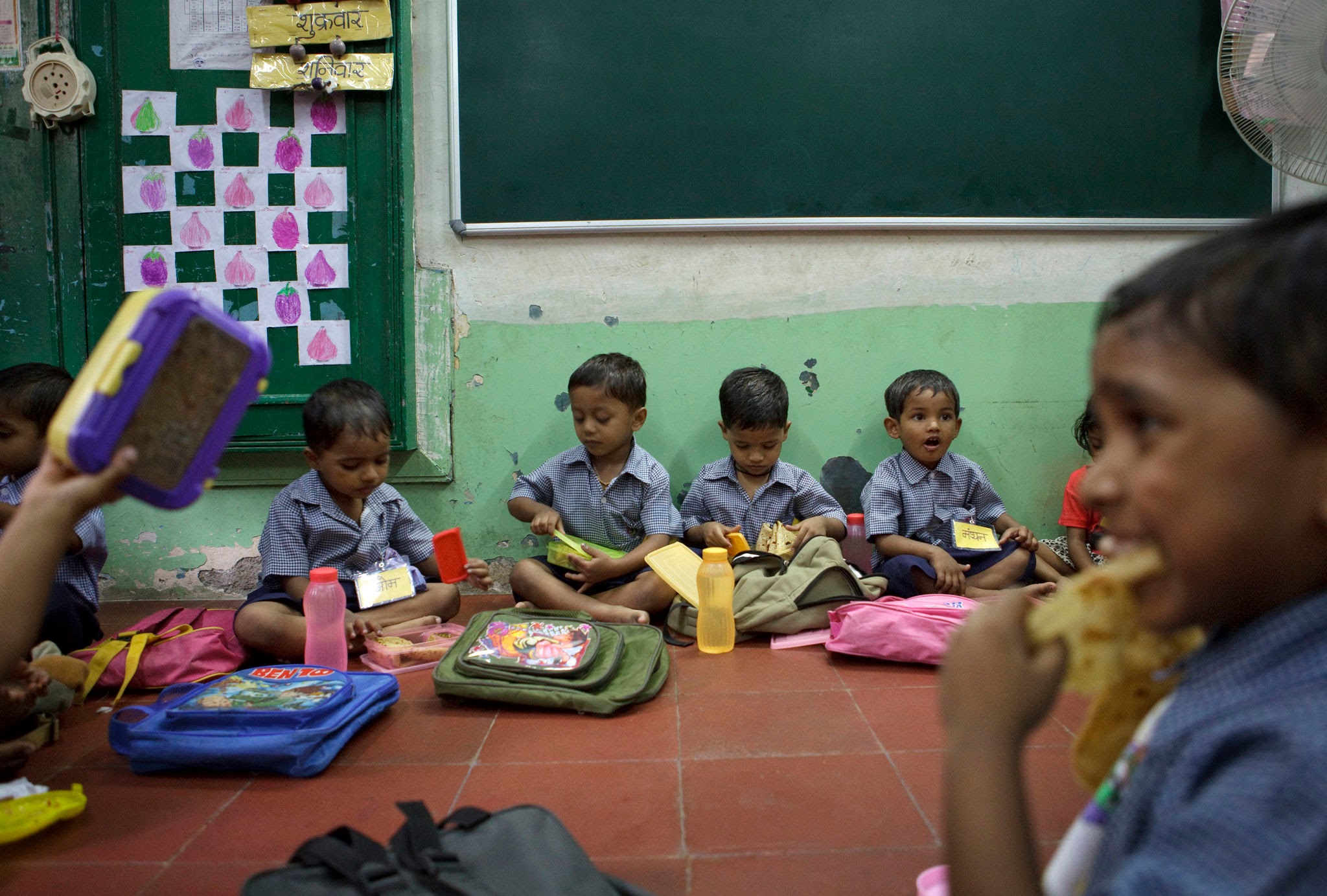
Key Takeaways & Summary
- Historical Roots: Started in 1920 by Sir Pitti Theagaraya Chetty in Madras Corporation; pioneered statewide in 1955 by CM K. Kamaraj in Tamil Nadu.
- National Rollout (1995) & SC 2001 Mandate: Supreme Court's 2001 landmark order in PUCL vs. Union of India mandated cooked hot meals across all States.
- Renamed PM POSHAN (2021): Extended to cover pre-primary (Balvatika) children alongside Classes 1–8.
Table of Contents
- 1. Historical Roots: From Madras Corporation to K. Kamaraj
- 2. The National Rollout & The Landmark 2001 Supreme Court Mandate
- 3. Impact Analysis: Education, Nutrition, and Gender Parity
- 4. Comprehensive Breakdown: Pros, Cons, and Governance Challenges
- 5. Nutritional Norms Matrix: Primary vs. Upper Primary
- 6. High-Yield Exam Corner for Competitive Aspirants
- 7. Frequently Asked Questions (FAQ)
Nourishing India’s Classrooms: The Origin, Evolution, Social Impact, and Challenges of the Mid-Day Meal Scheme (PM POSHAN)
In the vast landscape of Indian public policy, few welfare interventions have achieved the scale, longevity, and socio-educational impact of the Mid-Day Meal Scheme (MDMS)—rebranded in September 2021 as Pradhan Mantri Poshan Shakti Nirman (PM POSHAN).
1. Historical Roots: From Madras Corporation to K. Kamaraj
In 1955, the legendary Chief Minister of Tamil Nadu, K. Kamaraj, pioneered Tamil Nadu's statewide Mid-Day Meal Scheme.
2. The National Rollout & The Landmark 2001 Supreme Court Mandate
On August 15, 1995, the Government of India launched the national program.
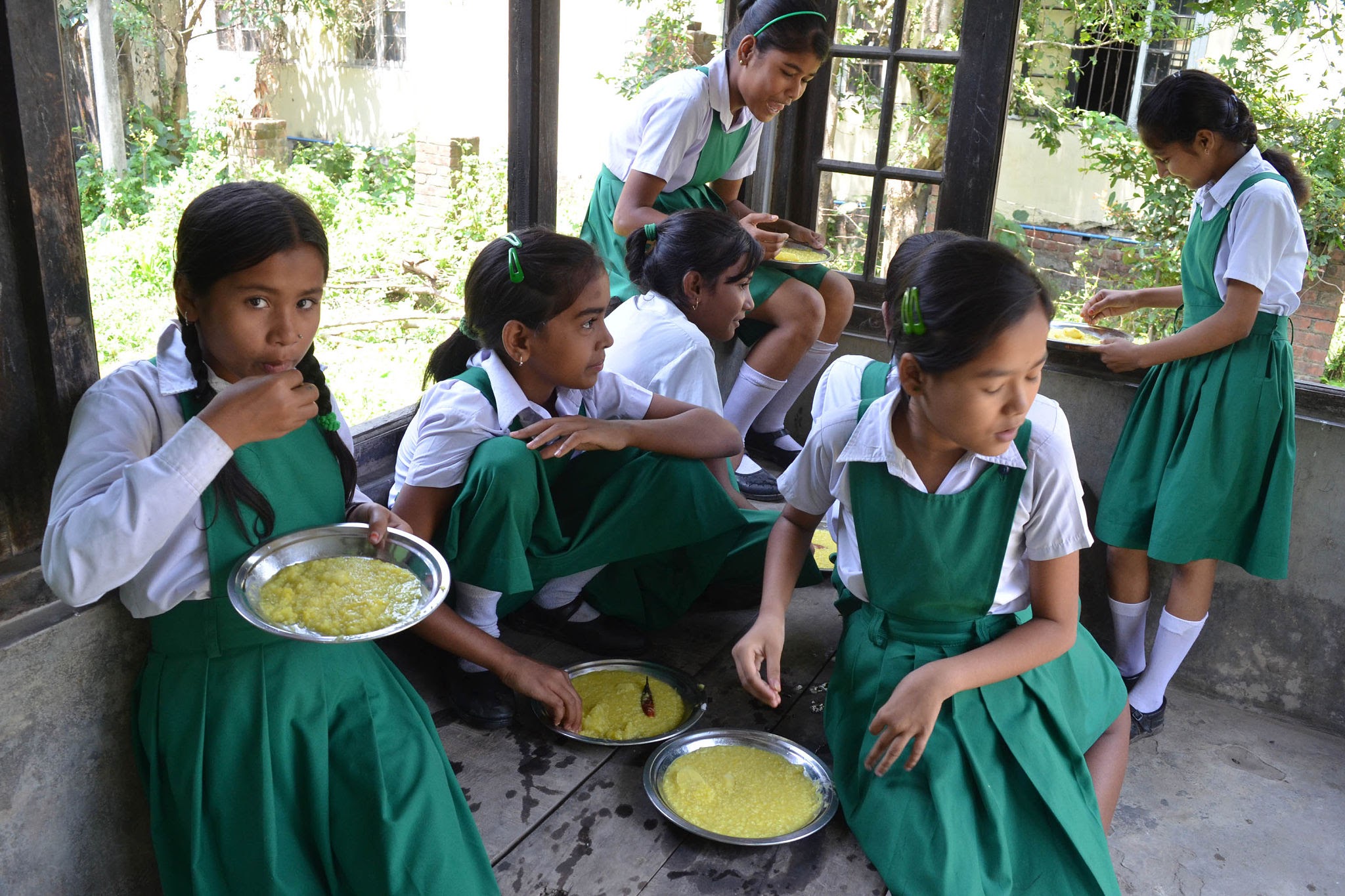
The Supreme Court's Historic 2001 Order
"We direct the State Governments/Union Territories to implement the Mid-Day Meal Scheme by providing every child in every Government and Government-assisted primary school with a prepared mid-day meal with a minimum content of 300 calories and 8–12 grams of protein each day."
3. Impact Analysis: Education, Nutrition, and Gender Parity
- Increased School Enrollment & Retention: Primary school enrollment rose by 15–20%.
- Gender Parity: Parents were far more willing to send daughters to school.
5. Nutritional Norms Matrix: Primary vs. Upper Primary
| Nutritional Category | Primary Level (Classes 1–5) | Upper Primary Level (Classes 6–8) |
|---|---|---|
| Caloric Value | 450 Calories | 700 Calories |
| Protein Content | 12 Grams | 20 Grams |
🎓 High-Yield Exam Corner for Competitive Aspirants (UPSC / State PSCs / SSC)
GS Paper 2: Social Justice & Constitutional Provisions
- Article 47: Duty of the State to raise the level of nutrition and public health.
- Article 21A: Right to free and compulsory education for children aged 6 to 14.
7. Frequently Asked Questions (FAQ)
Who started the Mid-Day Meal Scheme in India?
The scheme originated in 1920 under the Madras Corporation by Sir Pitti Theagaraya Chetty, and was pioneered statewide by Chief Minister K. Kamaraj in Tamil Nadu in 1955.
🚀 Master Social Justice & Governance Notes!
Get full notes on Social Welfare Schemes, Constitutional Law, and latest Teaching & Govt Job alerts on RRBCONTENTS.
Explore Jobs Portal Join @rrbcontents on Telegram