Introduction
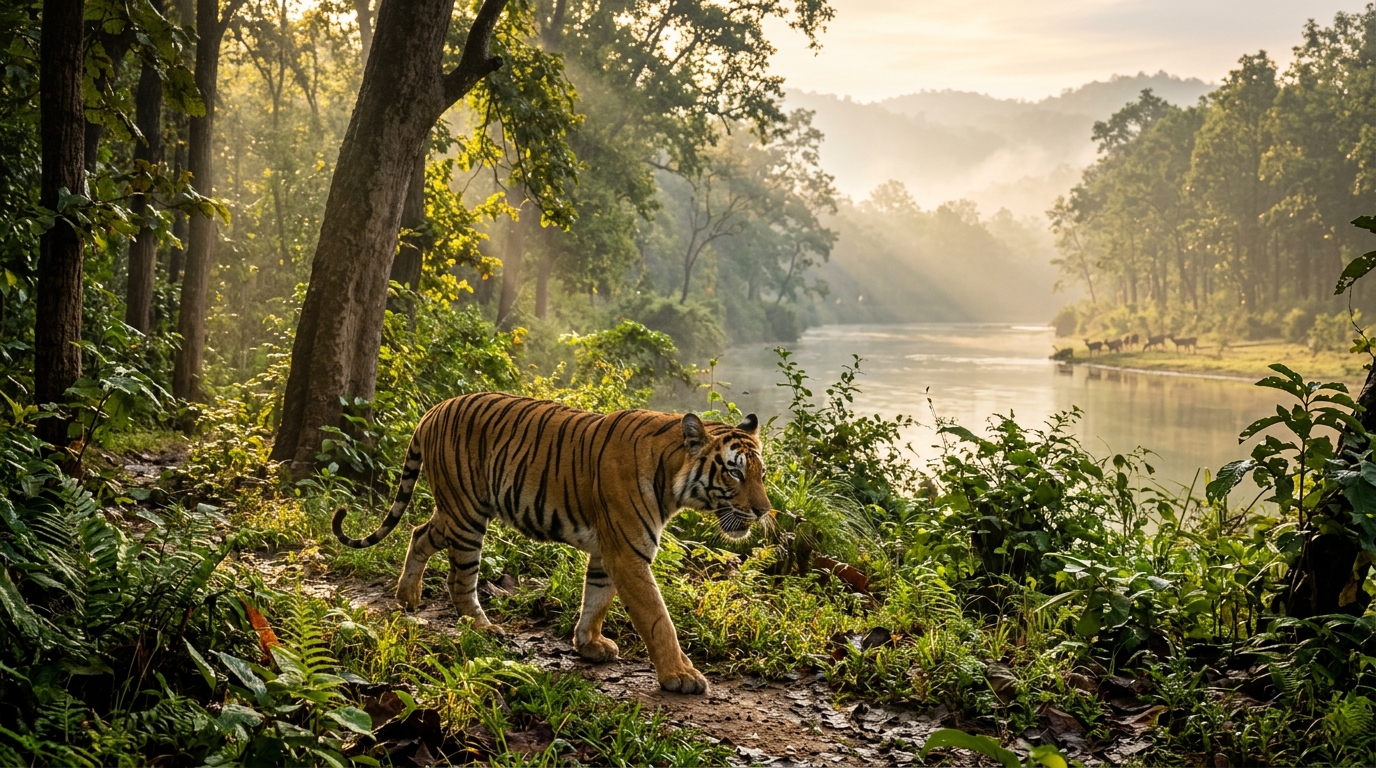
India's protected area network is one of the most extensive and diverse in the world. As of 2026, the country has 107 national parks and 573 wildlife sanctuaries, together forming the backbone of India's in-situ conservation strategy. These protected areas shelter thousands of plant and animal species, including iconic mammals such as the Bengal tiger, Asiatic lion, Indian rhinoceros, and snow leopard. Established primarily under the Wildlife (Protection) Act, 1972, national parks and wildlife sanctuaries differ in their level of protection, permitted activities, and legal framework. For aspirants preparing for competitive examinations like RRB, SSC, Banking, and UPSC Prelims, questions on national parks and wildlife sanctuaries appear regularly in the General Studies and Current Affairs sections. This comprehensive article provides the complete state-wise list of all 107 national parks, a curated list of the most important wildlife sanctuaries, key facts, records, and exam-relevant analysis — all updated for 2026.
Understanding the Legal Framework – Wildlife (Protection) Act, 1972
The Wildlife (Protection) Act, 1972, is the foundational legislation governing the creation and management of protected areas in India. Enacted by the Indian Parliament, this Act has been amended multiple times — most significantly in 1991, 2002, 2006, and 2022 — to strengthen wildlife conservation mechanisms.
Under this Act, protected areas in India are classified into four categories:
- National Parks – These are areas of outstanding ecological, faunal, floral, geomorphological, or zoological significance. Within a national park, no human activity is permitted, including grazing, hunting, forestry operations, and private rights over land. The boundaries of a national park can only be altered by a resolution of the state legislature.
- Wildlife Sanctuaries – These are areas where wildlife and their habitats are protected. Unlike national parks, certain regulated activities may be permitted inside a sanctuary, such as limited grazing and collection of forest produce by local communities, subject to the approval of the Chief Wildlife Warden. The state government can declare any area as a wildlife sanctuary if it considers it to be of adequate ecological, faunal, floral, or zoological significance.
- Conservation Reserves – These are areas adjacent to national parks or wildlife sanctuaries that serve as buffer zones or corridors. They are managed through a Conservation Reserve Management Committee involving local stakeholders.
- Community Reserves – These are areas of community or private land that communities voluntarily set aside for conservation purposes.
Difference Between a National Park and a Wildlife Sanctuary
This comparison is one of the most frequently asked questions in competitive examinations. Understanding the distinction clearly is essential.
| Parameter | National Park | Wildlife Sanctuary |
|---|---|---|
| Level of Protection | Highest; no human activity allowed | Lower; certain regulated activities permitted |
| Grazing | Strictly prohibited | May be permitted with approval |
| Hunting | Completely banned | Completely banned |
| Private Land Ownership | Not allowed; all land must be government-owned | Private ownership may continue |
| Boundary Alteration | Requires state legislature resolution | Can be altered by state government notification |
| Tourism | Allowed under strict regulation | Allowed under regulation |
| Declared by | State government with central approval | State government |
| Legal Provision | Section 35 of WPA, 1972 | Section 18 of WPA, 1972 |
A wildlife sanctuary can be upgraded to a national park, but a national park cannot be downgraded to a sanctuary. This is an important point that appears in examinations.
Complete State-Wise List of All 107 National Parks in India (2026)
The following comprehensive table lists all 107 national parks in India, organised alphabetically by state and union territory. Madhya Pradesh leads the country with 11 national parks, the highest for any Indian state.
Andaman and Nicobar Islands (9 National Parks)
| S.No | National Park |
|---|---|
| 1 | Campbell Bay National Park |
| 2 | Galathea National Park |
| 3 | Mahatma Gandhi Marine National Park |
| 4 | Mount Harriet National Park |
| 5 | North Button Island National Park |
| 6 | Middle Button Island National Park |
| 7 | South Button Island National Park |
| 8 | Rani Jhansi Marine National Park |
| 9 | Saddle Peak National Park |
Andhra Pradesh (3 National Parks)
| S.No | National Park |
|---|---|
| 10 | Sri Venkateswara National Park |
| 11 | Papikonda National Park |
| 12 | Rajiv Gandhi National Park |
Arunachal Pradesh (2 National Parks)
| S.No | National Park |
|---|---|
| 13 | Mouling National Park |
| 14 | Namdapha National Park |
Assam (8 National Parks)
| S.No | National Park |
|---|---|
| 15 | Dibru-Saikhowa National Park |
| 16 | Dehing Patkai National Park |
| 17 | Kaziranga National Park |
| 18 | Manas National Park |
| 19 | Nameri National Park |
| 20 | Orang National Park |
| 21 | Raimona National Park |
| 22 | Shikna Jwhwlao National Park |
Bihar (1 National Park)
| S.No | National Park |
|---|---|
| 23 | Valmiki National Park |
Chhattisgarh (3 National Parks)
| S.No | National Park |
|---|---|
| 24 | Guru Ghasidas (Sanjay) National Park |
| 25 | Indravati National Park |
| 26 | Kanger Valley National Park |
Goa (1 National Park)
| S.No | National Park |
|---|---|
| 27 | Bhagwan Mahavir (Mollem) National Park |
Gujarat (4 National Parks)
| S.No | National Park |
|---|---|
| 28 | Gir National Park |
| 29 | Blackbuck (Velavadar) National Park |
| 30 | Marine National Park, Gulf of Kachchh |
| 31 | Vansda National Park |
Haryana (2 National Parks)
| S.No | National Park |
|---|---|
| 32 | Kalesar National Park |
| 33 | Sultanpur National Park |
Himachal Pradesh (5 National Parks)
| S.No | National Park |
|---|---|
| 34 | Great Himalayan National Park |
| 35 | Inderkilla National Park |
| 36 | Khirganga National Park |
| 37 | Pin Valley National Park |
| 38 | Simbalbara National Park |
Jammu and Kashmir (4 National Parks)
| S.No | National Park |
|---|---|
| 39 | Dachigam National Park |
| 40 | Kishtwar National Park |
| 41 | Kazinag National Park |
| 42 | Salim Ali (City Forest) National Park |
Jharkhand (1 National Park)
| S.No | National Park |
|---|---|
| 43 | Betla National Park |
Karnataka (5 National Parks)
| S.No | National Park |
|---|---|
| 44 | Anshi (Kali) National Park |
| 45 | Bandipur National Park |
| 46 | Bannerghatta National Park |
| 47 | Kudremukh National Park |
| 48 | Nagarhole (Rajiv Gandhi) National Park |
Kerala (6 National Parks)
| S.No | National Park |
|---|---|
| 49 | Anamudi Shola National Park |
| 50 | Eravikulam National Park |
| 51 | Mathikettan Shola National Park |
| 52 | Pambadum Shola National Park |
| 53 | Periyar National Park |
| 54 | Silent Valley National Park |
Ladakh (1 National Park)
| S.No | National Park |
|---|---|
| 55 | Hemis National Park |
Madhya Pradesh (11 National Parks)
| S.No | National Park |
|---|---|
| 56 | Bandhavgarh National Park |
| 57 | Dinosaur Fossils National Park |
| 58 | Fossil National Park |
| 59 | Kanha National Park |
| 60 | Kuno National Park |
| 61 | Madhav National Park |
| 62 | Panna National Park |
| 63 | Pench National Park |
| 64 | Sanjay National Park |
| 65 | Satpura National Park |
| 66 | Van Vihar National Park |
Maharashtra (6 National Parks)
| S.No | National Park |
|---|---|
| 67 | Chandoli National Park |
| 68 | Gugamal National Park |
| 69 | Navegaon National Park |
| 70 | Pench (Jawaharlal Nehru) National Park |
| 71 | Sanjay Gandhi National Park |
| 72 | Tadoba National Park |
Manipur (2 National Parks)
| S.No | National Park |
|---|---|
| 73 | Keibul Lamjao National Park |
| 74 | Sirohi National Park |
Meghalaya (2 National Parks)
| S.No | National Park |
|---|---|
| 75 | Balpakram National Park |
| 76 | Nokrek National Park |
Mizoram (2 National Parks)
| S.No | National Park |
|---|---|
| 77 | Murlen National Park |
| 78 | Phawngpui Blue Mountain National Park |
Nagaland (1 National Park)
| S.No | National Park |
|---|---|
| 79 | Intanki National Park |
Odisha (2 National Parks)
| S.No | National Park |
|---|---|
| 80 | Bhitarkanika National Park |
| 81 | Simlipal National Park |
Rajasthan (5 National Parks)
| S.No | National Park |
|---|---|
| 82 | Desert National Park |
| 83 | Keoladeo Ghana National Park |
| 84 | Mukundra Hills National Park |
| 85 | Ranthambore National Park |
| 86 | Sariska National Park |
Sikkim (1 National Park)
| S.No | National Park |
|---|---|
| 87 | Khangchendzonga National Park |
Tamil Nadu (5 National Parks)
| S.No | National Park |
|---|---|
| 88 | Guindy National Park |
| 89 | Gulf of Mannar Marine National Park |
| 90 | Indira Gandhi (Annamalai) National Park |
| 91 | Mudumalai National Park |
| 92 | Mukurthi National Park |
Telangana (3 National Parks)
| S.No | National Park |
|---|---|
| 93 | Kasu Brahmananda Reddy National Park |
| 94 | Mahavir Harina Vanasthali National Park |
| 95 | Mrugavani National Park |
Tripura (2 National Parks)
| S.No | National Park |
|---|---|
| 96 | Bison (Rajbari) National Park |
| 97 | Clouded Leopard National Park |
Uttar Pradesh (1 National Park)
| S.No | National Park |
|---|---|
| 98 | Dudhwa National Park |
Uttarakhand (6 National Parks)
| S.No | National Park |
|---|---|
| 99 | Jim Corbett National Park |
| 100 | Gangotri National Park |
| 101 | Govind Pashu Vihar National Park |
| 102 | Nanda Devi National Park |
| 103 | Rajaji National Park |
| 104 | Valley of Flowers National Park |
West Bengal (6 National Parks)
| S.No | National Park |
|---|---|
| 105 | Buxa National Park |
| 106 | Gorumara National Park |
| 107 | Jaldapara National Park |
Note: Some lists may also count Neora Valley National Park, Singalila National Park, and Sundarbans National Park separately under West Bengal, which can cause the total to vary between 106 and 107 depending on the official notification status. The variation arises because certain parks have recently been reclassified or newly notified.
State-Wise Distribution – Number of National Parks
| State/UT | Number of National Parks |
|---|---|
| Madhya Pradesh | 11 |
| Andaman and Nicobar Islands | 9 |
| Assam | 8 |
| Kerala | 6 |
| Maharashtra | 6 |
| Uttarakhand | 6 |
| West Bengal | 6 |
| Himachal Pradesh | 5 |
| Karnataka | 5 |
| Rajasthan | 5 |
| Tamil Nadu | 5 |
| Gujarat | 4 |
| Jammu and Kashmir | 4 |
| Andhra Pradesh | 3 |
| Chhattisgarh | 3 |
| Telangana | 3 |
| Arunachal Pradesh | 2 |
| Haryana | 2 |
| Manipur | 2 |
| Meghalaya | 2 |
| Mizoram | 2 |
| Odisha | 2 |
| Tripura | 2 |
| Bihar | 1 |
| Goa | 1 |
| Jharkhand | 1 |
| Ladakh | 1 |
| Nagaland | 1 |
| Sikkim | 1 |
| Uttar Pradesh | 1 |
| Total | 107 |
Important Wildlife Sanctuaries in India – Exam-Focused Curated List
India has 573 wildlife sanctuaries spread across all states and union territories. Since listing all 573 sanctuaries is impractical for examination preparation, the following curated table covers the most important and frequently asked wildlife sanctuaries, organised state-wise with their key species.
| State | Wildlife Sanctuary | Key Species / Significance |
|---|---|---|
| Andhra Pradesh | Coringa Wildlife Sanctuary | Mangroves, fishing cats |
| Andhra Pradesh | Pulicat Lake Bird Sanctuary | Flamingos, pelicans |
| Arunachal Pradesh | Pakke (Pakhui) Wildlife Sanctuary | Hornbills, tigers |
| Assam | Pobitora Wildlife Sanctuary | Indian rhinoceros (highest density) |
| Gujarat | Indian Wild Ass Sanctuary | Indian wild ass (khur), Little Rann of Kutch |
| Gujarat | Kutch Desert Wildlife Sanctuary | Indian wolf, Great Indian Bustard |
| Haryana | Kalesar Wildlife Sanctuary | Leopards, red jungle fowl |
| Himachal Pradesh | Kibber Wildlife Sanctuary | Snow leopard, ibex |
| Jammu and Kashmir | Changthang Wildlife Sanctuary | Tibetan antelope, kiang |
| Karnataka | Bhadra Wildlife Sanctuary | Tigers, elephants |
| Karnataka | Ranganathittu Bird Sanctuary | Painted stork, spot-billed pelican |
| Kerala | Chinnar Wildlife Sanctuary | Grizzled giant squirrel, star tortoise |
| Kerala | Periyar Wildlife Sanctuary | Elephants, tigers |
| Madhya Pradesh | Ratapani Wildlife Sanctuary | Tigers, leopards |
| Maharashtra | Koyna Wildlife Sanctuary | Giant squirrel, king cobra |
| Manipur | Khongjaingamba Ching (Yangoupokpi Lokchao) | Hoolock gibbon, wild buffalo |
| Odisha | Chilika Lake Bird Sanctuary | Migratory waterbirds, Irrawaddy dolphin |
| Odisha | Nandankanan Zoological Park | White tigers, melanistic tigers |
| Rajasthan | Tal Chhapar Wildlife Sanctuary | Blackbuck |
| Rajasthan | Sariska Wildlife Sanctuary | Tigers, leopards |
| Tamil Nadu | Vedanthangal Bird Sanctuary | Oldest bird sanctuary in India (est. 1796) |
| Tamil Nadu | Mudumalai Wildlife Sanctuary | Elephants, Indian gaur |
| Uttar Pradesh | Kishanpur Wildlife Sanctuary | Tigers, swamp deer |
| Uttar Pradesh | Chandraprabha Wildlife Sanctuary | Asiatic lion reintroduction (historical) |
| Uttarakhand | Kedarnath Wildlife Sanctuary | Musk deer, snow leopard |
| West Bengal | Sundarbans Wildlife Sanctuary | Royal Bengal Tiger (mangrove habitat) |
Key Records and Important Facts for Examinations
The following records and facts are among the most frequently asked in RRB, SSC, Banking, and UPSC examinations.
First National Park in India
Jim Corbett National Park in Uttarakhand was established in 1936 as Hailey National Park, making it the first national park in India and the oldest national park in Asia. It was later renamed Ramganga National Park and then Corbett National Park in honour of the renowned hunter-turned-conservationist Jim Corbett. The park is located in the Nainital district and is a part of the Corbett Tiger Reserve. It lies along the banks of the Ramganga River.
Largest National Park
Hemis National Park in Ladakh is the largest national park in India, covering approximately 4,400 square kilometres. It is situated in the eastern part of Ladakh and is known for its population of snow leopards, making it one of the best places in the world to spot this elusive big cat. The park is also home to the Hemis monastery, one of the most famous Buddhist monasteries in Ladakh.
Smallest National Park
South Button Island National Park in the Andaman and Nicobar Islands is the smallest national park in India, covering just 0.03 square kilometres. Despite its tiny size, it protects important coral reef ecosystems and tropical forests.
Only Floating National Park
Keibul Lamjao National Park in Manipur is the only floating national park in the world. It is situated within Loktak Lake and is the last natural habitat of the endangered Sangai deer, also known as the Manipur brow-antlered deer. The park rests on phumdis — floating masses of vegetation and organic matter.
UNESCO World Heritage Sites Among National Parks
Several Indian national parks have been recognised as UNESCO World Heritage Sites:
| National Park | State | UNESCO Designation Year |
|---|---|---|
| Kaziranga National Park | Assam | 1985 |
| Keoladeo Ghana National Park | Rajasthan | 1985 |
| Manas Wildlife Sanctuary | Assam | 1985 |
| Sundarbans National Park | West Bengal | 1987 |
| Nanda Devi and Valley of Flowers | Uttarakhand | 1988, 2005 |
| Great Himalayan National Park | Himachal Pradesh | 2014 |
| Khangchendzonga National Park | Sikkim | 2016 |
Notable National Parks and Their Unique Features
Kaziranga National Park, Assam
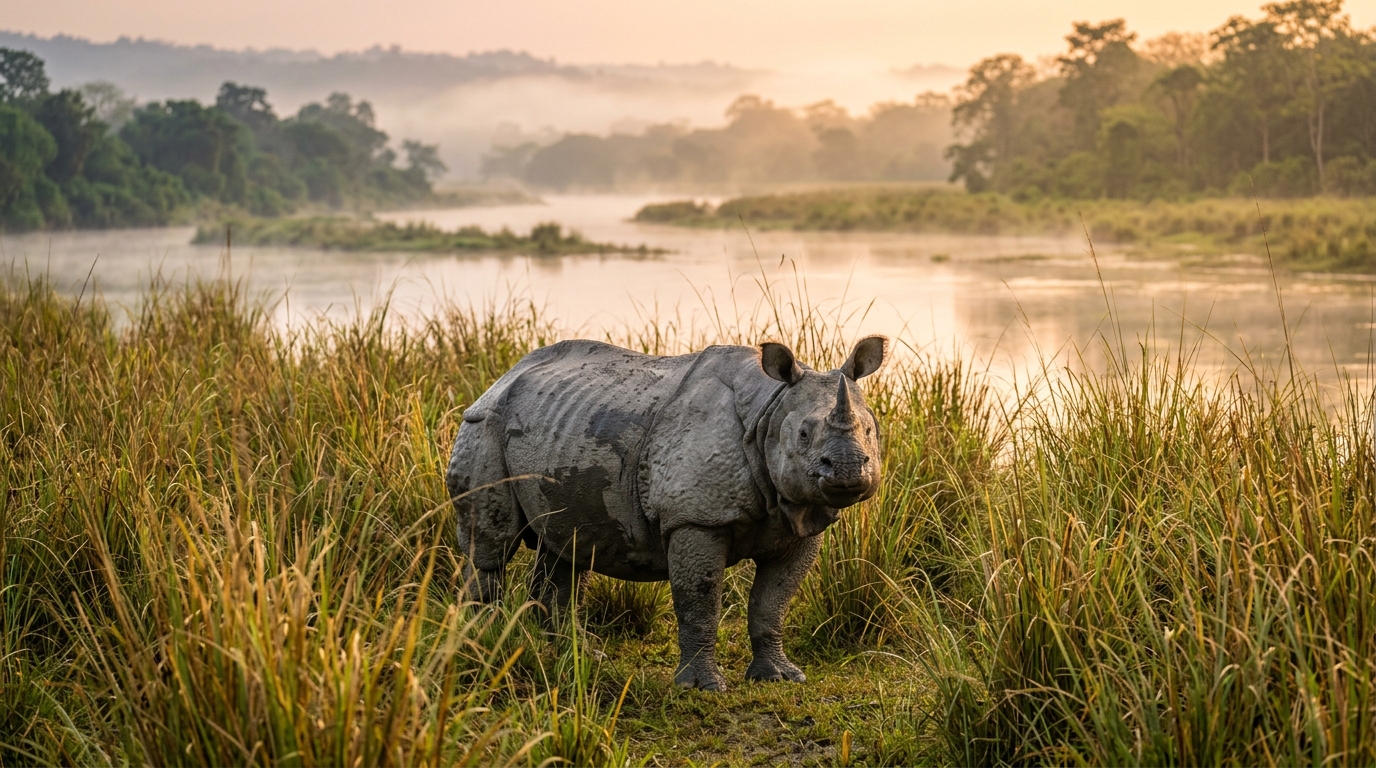
Kaziranga is home to two-thirds of the world's Great Indian One-horned Rhinoceros population. Designated a UNESCO World Heritage Site in 1985, the park is located in the floodplains of the Brahmaputra River in the Golaghat and Nagaon districts. Kaziranga also has the highest density of Bengal tigers among all protected areas in the world. The park is known for its tall elephant grass, marshlands, and dense tropical forests.
Gir National Park, Gujarat
Gir is the last natural habitat of the Asiatic lion. After the lion population dwindled to fewer than 20 individuals in the early 20th century, dedicated conservation efforts have brought the population to over 700 (as per the 2025 census). The park is located in the Junagadh district of Gujarat and is the only place in the world outside Africa where lions can be found in the wild.
Ranthambore National Park, Rajasthan
Ranthambore, located at the junction of the Aravalli and Vindhya hill ranges in Sawai Madhopur district, is one of India's most famous tiger reserves. The park is known for tigers that are habituated to human presence and can frequently be spotted during the day. The ruins of the 10th-century Ranthambore Fort, a UNESCO World Heritage Site, lie within the park.
Kanha National Park, Madhya Pradesh
Kanha inspired Rudyard Kipling's classic novel The Jungle Book. Located in the Mandla and Balaghat districts, it is one of India's premier tiger reserves and was one of the first parks to be included under Project Tiger in 1973. Kanha is also known for saving the hard-ground barasingha (swamp deer) from extinction through dedicated conservation.
Silent Valley National Park, Kerala
Silent Valley in the Palakkad district is one of the last undisturbed stretches of tropical evergreen forest in the Western Ghats. The park gained national prominence in the 1970s and 1980s when a massive public campaign successfully prevented the construction of a hydroelectric dam that would have submerged the valley. The Silent Valley movement is considered one of India's most important environmental campaigns.
Valley of Flowers National Park, Uttarakhand
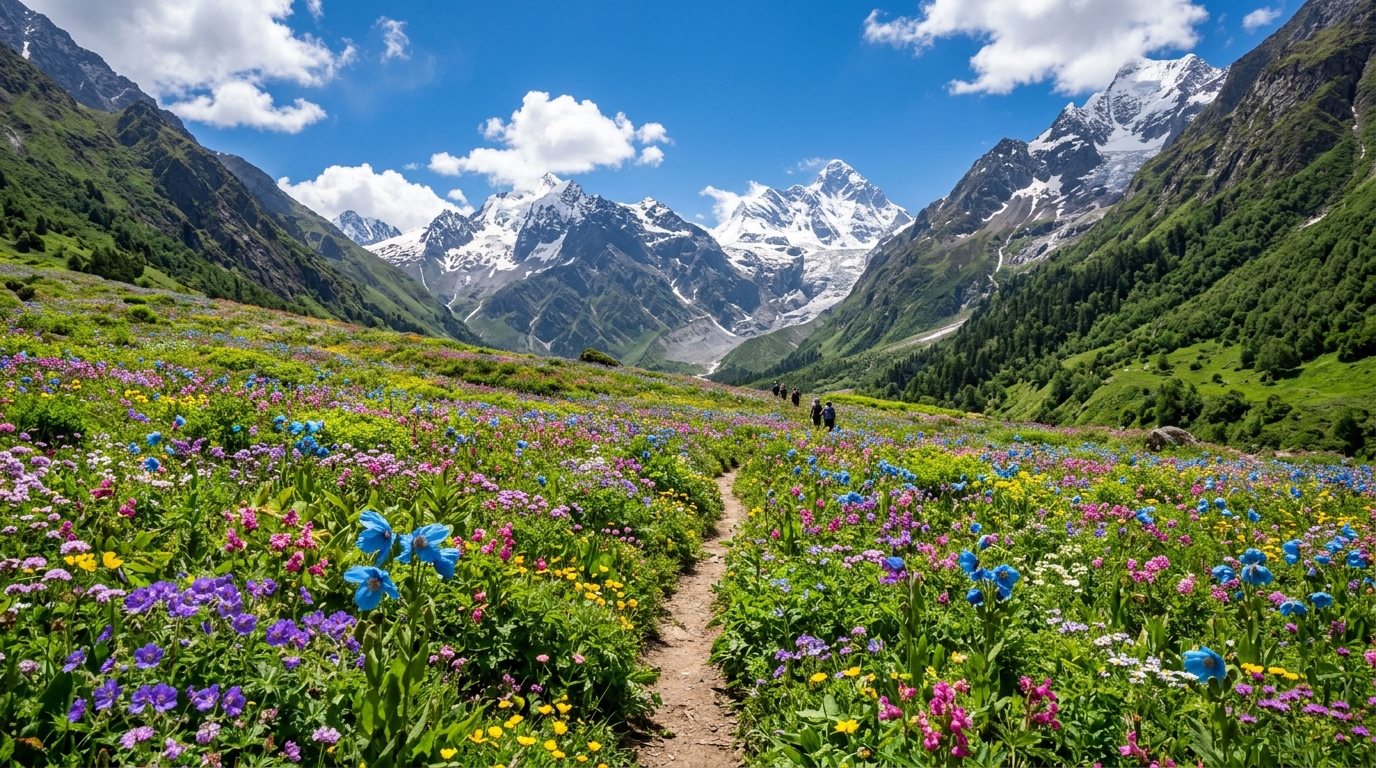
Located in the Chamoli district of Uttarakhand, this high-altitude national park is renowned for its meadows of endemic alpine flowers and outstanding natural beauty. It is a UNESCO World Heritage Site (part of the Nanda Devi and Valley of Flowers National Parks designation) and is home to rare and endangered animals, including the Asiatic black bear, snow leopard, and blue sheep.
Project Tiger and Tiger Reserves
Project Tiger was launched in 1973 to protect the Bengal tiger and its habitats. As of 2026, India has 56 tiger reserves spread across the country. Many tiger reserves overlap with or include national parks within their boundaries. The 2022 All India Tiger Estimation (5th Cycle) reported approximately 3,682 tigers in India, making the country home to roughly 75 per cent of the global wild tiger population.
Key tiger reserves that aspirants must know include:
| Tiger Reserve | State | Notable Feature |
|---|---|---|
| Jim Corbett Tiger Reserve | Uttarakhand | India's first tiger reserve (1973) |
| Ranthambore Tiger Reserve | Rajasthan | Famous for day-sighting tigers |
| Bandhavgarh Tiger Reserve | Madhya Pradesh | Highest density of Bengal tigers |
| Sundarbans Tiger Reserve | West Bengal | Only mangrove tiger habitat |
| Periyar Tiger Reserve | Kerala | Known for elephant populations |
| Nagarjunsagar-Srisailam Tiger Reserve | Andhra Pradesh / Telangana | Largest tiger reserve in India |
| Satpura Tiger Reserve | Madhya Pradesh | Walking safaris permitted |
Protected Area Network of India – Summary Statistics (2026)
| Category | Number | Approximate Area (sq km) | % of India's Area |
|---|---|---|---|
| National Parks | 107 | 44,403 | 1.35% |
| Wildlife Sanctuaries | 573 | 122,564 | 3.73% |
| Conservation Reserves | 105 | 4,869 | 0.15% |
| Community Reserves | 220 | 1,459 | 0.04% |
| Total Protected Areas | 1,005 | 173,295 | 5.27% |
Project Elephant and Elephant Reserves
Project Elephant was launched by the Government of India in 1992 as a centrally sponsored scheme to protect the Asian elephant, its habitat, and the corridors that connect elephant populations. As of 2026, India has 33 designated Elephant Reserves spread across 14 states. India is home to approximately 60 per cent of the global Asian elephant population, with an estimated 29,000 to 30,000 individuals.
Elephant reserves are not a separate legal category under the Wildlife (Protection) Act. Instead, they are landscape-level designations that may include national parks, wildlife sanctuaries, reserved forests, and revenue lands within a single management unit. The primary objective is to ensure the long-term survival of viable elephant populations by securing their habitats and migration corridors.
Key elephant reserves that aspirants should know include:
| Elephant Reserve | State | Key Feature |
|---|---|---|
| Mysore Elephant Reserve | Karnataka | Part of the Nilgiri Biosphere Reserve, highest elephant density |
| Nilambur Elephant Reserve | Kerala | Connects Silent Valley with Nilgiri forests |
| Singhbhum Elephant Reserve | Jharkhand | Protects migrating herds from Dalma Hills |
| Chirang-Ripu Elephant Reserve | Assam | Borders Manas National Park |
| Deomali Elephant Reserve | Arunachal Pradesh | Important for eastern population connectivity |
| Lemru Elephant Reserve | Chhattisgarh | Recently designated to protect elephants from mining areas |
Elephant corridors are narrow strips of land that connect two or more elephant habitats, allowing herds to move between them. India has identified 150 elephant corridors across the country. The fragmentation and blockage of these corridors due to roads, railway lines, settlements, and mining operations is one of the most critical threats to elephant conservation. The Supreme Court of India and the National Green Tribunal have issued multiple directives to protect elephant corridors from encroachment and construction activities.
Wildlife Corridors and Ecological Connectivity
Wildlife corridors are among the most important concepts in modern conservation biology, and their relevance to India's protected area network cannot be overstated. A corridor is a strip of natural or semi-natural habitat that connects two or more larger patches of habitat, enabling the movement of wildlife between them. Without corridors, animal populations in isolated national parks and sanctuaries become genetically fragmented, reducing their long-term viability.
India's most significant wildlife corridors include:
Kanha-Pench Corridor, Madhya Pradesh – This corridor connects Kanha National Park with Pench National Park, allowing the movement of tigers, leopards, and other wildlife between two of India's most important tiger habitats. The corridor passes through reserved and protected forests and is critical for maintaining genetic exchange between the tiger populations of both parks.
Kaziranga-Karbi Anglong Corridor, Assam – This corridor connects Kaziranga National Park with the Karbi Anglong Hills, providing an escape route for wildlife during the annual Brahmaputra River floods. During monsoon flooding, rhinos, elephants, and other animals from Kaziranga move to higher ground in Karbi Anglong. Encroachment and tea plantations in this corridor have posed significant threats.
Western Ghats Corridor – The Nilgiri Biosphere Reserve region, which includes Bandipur, Nagarhole, Mudumalai, and Wayanad protected areas, functions as one of the largest contiguous wildlife habitats in peninsular India. The corridors connecting these parks are critical for the movement of elephants, tigers, and wild dogs across the Karnataka-Kerala-Tamil Nadu tri-junction area.
Rajaji-Corbett Corridor, Uttarakhand – This corridor links Rajaji National Park with Jim Corbett National Park and is important for elephant and tiger movement along the Shivalik Hills. The corridor has been threatened by the expansion of the Haridwar-Rishikesh urban area and the Chilla-Motichur corridor within it has received special protection.
The National Wildlife Action Plan (2017-2031) recognises the importance of corridors and calls for the identification, mapping, and protection of wildlife corridors as a national priority. The Wildlife Institute of India (WII) has played a key role in scientifically identifying and mapping corridors across the country.
Recent Developments in Protected Area Management (2024-2026)
Several significant developments have occurred in India's protected area management in recent years that aspirants should be aware of for current affairs sections.
The Cheetah Reintroduction Project at Kuno National Park in Madhya Pradesh, which began in September 2022 with the translocation of eight cheetahs from Namibia, has continued with subsequent translocations from South Africa. As of 2026, the project has seen both successes and setbacks, with some cheetahs successfully breeding and others succumbing to health issues. Kuno remains the primary site, with Gandhi Sagar Wildlife Sanctuary identified as a potential second home for the cheetahs.
The Wildlife (Protection) Amendment Act, 2022 brought significant changes, including the regulation of trade in scheduled specimens under CITES (Convention on International Trade in Endangered Species), the establishment of a Standing Committee for the National Board for Wildlife, and enhanced provisions for the management of protected areas.
Several states have proposed new national parks and wildlife sanctuaries, and the process of upgrading existing sanctuaries to national park status continues. The expansion of the protected area network is guided by India's commitment under the Global Biodiversity Framework (adopted at COP15 in Montreal in 2022) to protect at least 30 per cent of land and ocean areas by 2030, commonly known as the 30x30 target.
Challenges Facing India's Protected Areas
Despite a robust legal framework and expanding protected area network, India's national parks and wildlife sanctuaries face several persistent challenges.
Human-wildlife conflict is a growing concern, particularly along the boundaries of parks that border agricultural land and human settlements. Elephants, tigers, leopards, and wild boar frequently stray into human habitats, leading to crop damage, livestock predation, and, in tragic cases, human casualties. Managing this conflict requires a combination of habitat connectivity through wildlife corridors, early warning systems, and community-based conflict mitigation programmes.
Habitat fragmentation due to roads, railways, and infrastructure projects disrupts the ecological connectivity between protected areas. Many wildlife species, particularly large mammals and migratory species, require vast contiguous habitats to maintain viable populations. Linear infrastructure such as national highways cutting through protected areas can lead to increased roadkill and population isolation.
Poaching and illegal wildlife trade remain threats to high-value species such as tigers, rhinoceroses, pangolins, and various bird species. Despite strong anti-poaching laws under the Wildlife (Protection) Act and the efforts of organisations like the Wildlife Crime Control Bureau (WCCB), enforcement challenges persist in remote forest areas.
Invasive species, particularly Lantana camara and Prosopis juliflora, have invaded large areas within several national parks, outcompeting native vegetation and reducing habitat quality for wildlife. Removal of invasive species is a labour-intensive and expensive process.
Climate change poses long-term risks to India's protected areas by shifting vegetation zones, altering water availability, and changing the distribution patterns of wildlife. Alpine ecosystems and coastal habitats are particularly vulnerable.
Important Points for Competitive Examinations
- India has 107 national parks and 573 wildlife sanctuaries as of 2026.
- National parks and wildlife sanctuaries are established under the Wildlife (Protection) Act, 1972.
- Madhya Pradesh has the most national parks (11), followed by Andaman and Nicobar Islands (9) and Assam (8).
- Andaman and Nicobar Islands have the most wildlife sanctuaries (97).
- Jim Corbett National Park (Uttarakhand) is India's first and Asia's oldest national park, established in 1936.
- Hemis National Park (Ladakh) is the largest national park in India.
- South Button Island National Park (Andaman and Nicobar Islands) is the smallest.
- Keibul Lamjao National Park (Manipur) is the world's only floating national park.
- Gir National Park (Gujarat) is the only natural habitat of the Asiatic lion in the world.
- Kaziranga National Park (Assam) has the largest population of Great Indian One-horned Rhinoceros.
- Great Himalayan National Park (Himachal Pradesh) is a UNESCO World Heritage Site designated in 2014.
- Khangchendzonga National Park (Sikkim) became a UNESCO World Heritage Site in 2016, and it is India's first mixed heritage site.
- A wildlife sanctuary can be upgraded to a national park, but not vice versa.
- India has 56 tiger reserves under Project Tiger as of 2026.
- Nagarjunsagar-Srisailam Tiger Reserve is the largest tiger reserve in India.
- Project Tiger was launched in 1973 with 9 initial tiger reserves.
- The Kutch Desert Wildlife Sanctuary in Gujarat is the largest wildlife sanctuary in India.
- Vedanthangal Bird Sanctuary in Tamil Nadu, established in 1796, is the oldest bird sanctuary in India.
- Kuno National Park in Madhya Pradesh has been designated as the site for the Cheetah Reintroduction Project, with African cheetahs translocated from Namibia and South Africa since 2022.
- The total protected area network in India covers approximately 5.27 per cent of the country's geographical area.
Conclusion
India's network of 107 national parks and 573 wildlife sanctuaries represents one of the most ambitious conservation programmes in the world. From the mangrove forests of the Sundarbans to the high-altitude deserts of Hemis, from the tropical rainforests of Silent Valley to the grasslands of Velavadar, these protected areas safeguard an extraordinary range of ecosystems and species. For competitive examination aspirants, mastering this topic requires a systematic approach: learn the state-wise distribution, memorise the key records (first, largest, smallest, unique), understand the legal framework, and stay updated with recent developments such as new park designations and tiger census results. The tables and facts presented in this article are designed to serve as a comprehensive and reliable reference for examination preparation. Aspirants should pay particular attention to parks that are also UNESCO World Heritage Sites, parks associated with Project Tiger, and the unique features of individual parks, as these are the dimensions most commonly tested across examinations.
For more exam preparation content, notes, and mock tests, join our Telegram channel: https://t.me/rrbcontents (@rrbcontents)