 RRB
RRB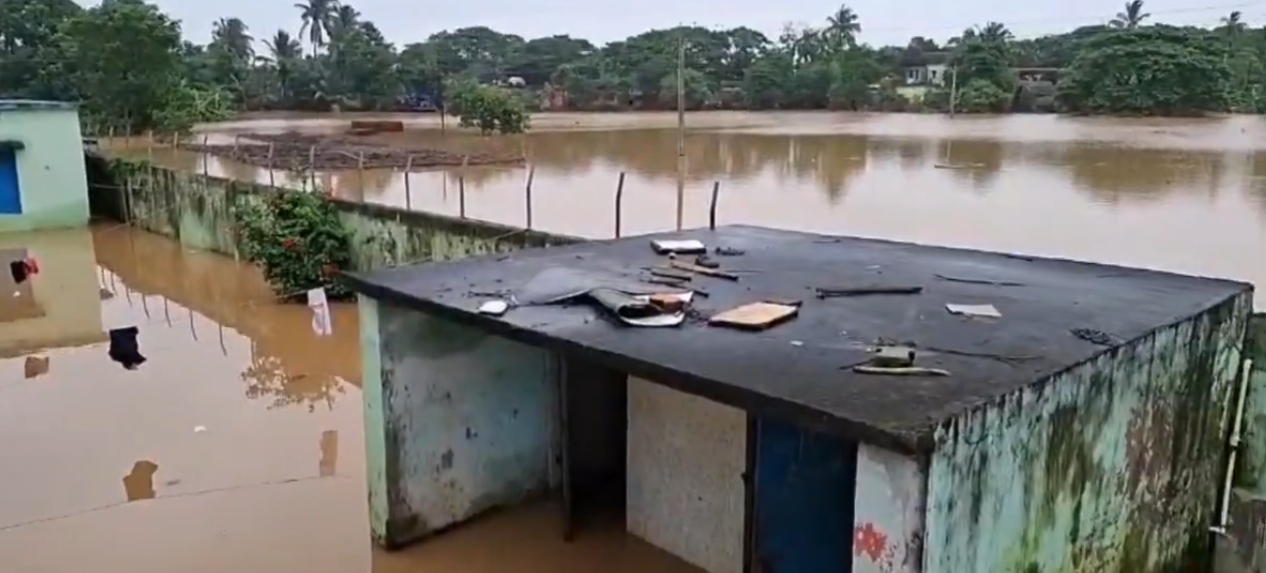
Water is everywhere in large parts of north Odisha right now. Rivers that usually stay within their banks have spilled over. Villages that were dry a week ago are under knee-deep or waist-deep water. By Monday, 17 August 2026, the state had moved more than 2.37 lakh people out of harm’s way. Another 5.15 lakh people across 947 villages are dealing with the effects of the latest flooding.
Chief Minister Mohan Charan Majhi is scheduled to visit the worst-hit districts of Bhadrak and Jajpur today. He has already said the government’s first job is to keep people safe and get help to them without delay.
How Bad Is the Situation
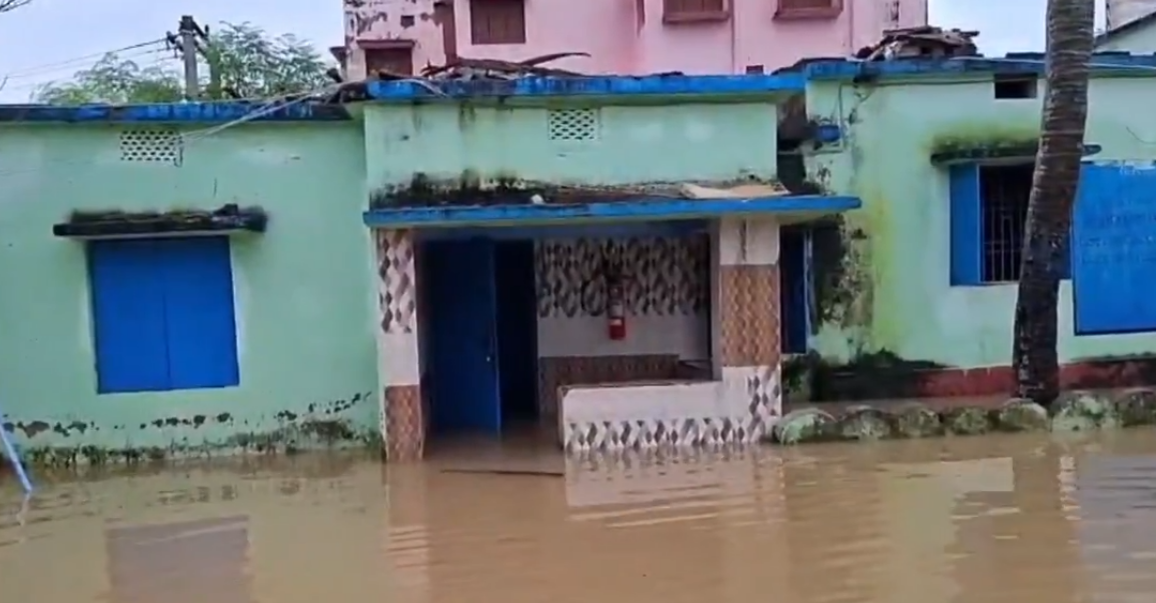
The numbers tell a clear story. Fresh flooding has touched 49 blocks, 331 gram panchayats and five urban areas. People from these places have been shifted to 293 relief camps. Cooked food, dry rations, drinking water and basic medical care are being provided there.
The hardest-hit districts remain Balasore, Bhadrak, Jajpur, Mayurbhanj and Keonjhar. Rivers such as the Baitarani, Brahmani, Salandi, Jalaka and Budhabalanga are running high. In some stretches the water is still rising or holding steady at dangerous levels.
Rainfall this monsoon has already been heavier than usual. Between 1 June and 16 August the state received about 27 per cent more rain than the long-period average. The ground was already saturated when the latest low-pressure system formed over the Bay of Bengal and started dumping more water.
What Triggered the Latest Spell
A fresh low-pressure area developed over the northwest Bay of Bengal. It has been moving and strengthening, bringing heavy to extremely heavy rain over parts of Odisha. The India Meteorological Department has kept red and orange warnings active for several districts through 18 August.
When soil cannot take any more water, even moderate additional rain can cause rivers to spill. Embankments come under pressure. Low-lying villages get cut off. That is exactly what has happened in the northern districts over the past few days.
In places like Kendrapara, water has entered school buildings. Nearly 300 students were stranded at one ashram school when the Brahmani rose. Rescue teams had to move in. Roads have been damaged, and in one spot a newly built stretch of highway caved in under the force of water.
Government Machinery on the Ground
Chief Secretary Anu Garg reviewed the situation and cancelled leave for all government employees. District collectors have been told to stay on high alert. Three senior IAS officers have been sent to Balasore, Bhadrak and Jajpur to coordinate the work.
https://x.com/AHindinews/status/2089290611556049187?s=20Around 90 rescue teams are deployed. These include 36 Odisha Disaster Rapid Action Force teams, seven National Disaster Response Force teams and dozens of fire service units. Additional engineers from the Water Resources Department are watching embankments and carrying out quick repairs wherever breaches appear.
Medical teams are on the ground with essential medicines, water purification tablets, bleaching powder and anti-snake venom. Cattle feed has also been arranged because livestock suffer badly when fields and grazing areas go under water.
The Chief Minister’s message has been straightforward. Safety first. Follow the instructions of the local administration. Help is on the way.
Life Inside the Camps and Outside
For the 2.37 lakh people now in relief camps, the days are spent waiting. Meals arrive on time in most places. Children and the elderly need extra care. Sanitation and clean drinking water become daily concerns once large numbers of people stay together for several days.
Those still in their villages face different problems. Standing crops of paddy and vegetables are under water in many fields. Houses made of mud and thatch take damage quickly. Getting to the market or to a health centre becomes difficult when roads are flooded.
Fishermen along the coast have been asked to stay off the sea. The rough conditions and strong winds make it unsafe. For families that depend on daily catches, this adds another layer of hardship.
Why Odisha Keeps Facing This
Odisha’s geography makes it vulnerable. Several major rivers drain into the Bay of Bengal through the state. When heavy rain falls in the upper catchments or directly over the plains, the water has limited places to go. Embankments help, but they are not perfect. Climate patterns that bring more intense bursts of rain make the job harder.
The state has built up its disaster response capacity over the years. Early warning systems, trained force teams, and pre-positioned supplies have improved. Still, when a fresh weather system arrives while the land is already wet, the numbers of people who need to move can climb fast.
This year’s monsoon has been wetter than normal. That single fact explains a large part of the current pressure on the system.
What Happens Next
More rain is expected over the next 24 to 48 hours in the northern districts. The IMD continues to update its warnings. Authorities are watching river gauges closely. If water levels start falling, people will gradually return home. If another heavy spell hits, more evacuations may be needed.
The Chief Minister’s visit to Bhadrak and Jajpur today will give him a direct look at the ground reality. Local officials will brief him on gaps and immediate needs. Relief operations will continue regardless.
For the people living through this, the priority is simple: stay safe, keep children and the elderly out of the water, and wait for the levels to drop. The administration has said it is fully mobilised. The coming days will show how well the preparations hold as the weather system moves through.
Floods of this scale test every part of the response chain — from the weather forecast to the last relief camp. Right now that chain is stretched across dozens of blocks and hundreds of villages in north Odisha. The work of keeping people alive and supported continues.
*