Home › Jobs & Education › Research Initiatives › ONOS Scheme Complete Guide
One Nation One Subscription (ONOS) Scheme: Features & 2026 Updates
Students preparing for SSC CGL, RRB NTPC, Bank exams or UPSC often get stuck on education and research related schemes. You read about NEP 2020 and then suddenly a new name appears — One Nation One Subscription (ONOS). What is this ONOS? Is it for school students or only researchers? How much money is involved? And has it actually started working on the ground?
I have seen many aspirants skip this topic thinking it is too technical. That is a mistake. In the last one year this scheme has become a regular current affairs item, and examiners love testing whether you understand the link between research access and national development goals. This article will clear the full picture for you — from the basic idea to the latest March 2026 usage figures — in simple classroom language.
Table of Contents
- 1. Why Research Access Became a Big Exam Topic
- 2. The Problem Before ONOS – Fragmented Journal Subscriptions
- 3. What is One Nation One Subscription Scheme?
- 4. Key Features, Budget and Coverage
- 5. How the Scheme Actually Works
- 6. First Year Performance – 11.3 Crore Downloads in 2025
- 7. Link with NEP 2020 and Anusandhan National Research Foundation
- 8. Challenges and the Road Ahead
- 9. Comparison Table – Old System vs ONOS
- 10. Must Remember Points for Quick Revision
- 11. Conclusion & Action Plan for Aspirants

Key Takeaways & Exam Highlights
- Cabinet Approval & Date: Approved on 25 November 2024 by Union Cabinet; operational from 1 January 2025.
- Budget Outlay: Approximately ₹6,000 crore for three calendar years (2025, 2026, and 2027).
- Scale of Access: 13,000+ e-journals from 30 top global publishers (Elsevier, Springer Nature, Wiley, IEEE, OUP, CUP).
- Coverage: 6,300+ government higher education institutions and central R&D labs, benefiting 1.8 crore students, faculty, and researchers.
- Implementing Portal: INFLIBNET Centre (autonomous UGC center) via
onos.gov.in. - First Year Record: 11.3 crore journal paper downloads in calendar year 2025.
1. Why Research Access Became a Big Exam Topic
In competitive exams, government schemes related to higher education and scientific research appear with high frequency. NEP 2020 talked about building a strong research culture. Then the Anusandhan National Research Foundation (ANRF) Act was passed. Now ONOS has come as the practical tool that actually puts world-class research papers into the hands of students and teachers across India.
If a college in a small town in Bihar or Odisha suddenly gets access to the exact same journals that IIT Bombay or IISc professors use, that is big news for inclusive education. Examiners know this and test candidates on the budget, number of covered journals, and implementing agencies.
2. The Problem Before ONOS – Fragmented Journal Subscriptions
Earlier, different library consortia existed — such as e-ShodhSindhu, INDEST, and several ministry-specific platforms. Big institutions like IITs, IISc, and AIIMS could afford comprehensive subscription packages costing tens of crores per year. Smaller state universities and colleges in tier-2 and tier-3 cities remained cut off due to budget constraints.

Many state university teachers and research scholars had to rely on personal contacts in metro cities or download paywalled articles illegally. Duplicate subscriptions across individual ministries also wasted public funds. This inequity violated the spirit of NEP 2020, which mandated that research must become part of every higher education institution.
3. What is One Nation One Subscription Scheme?
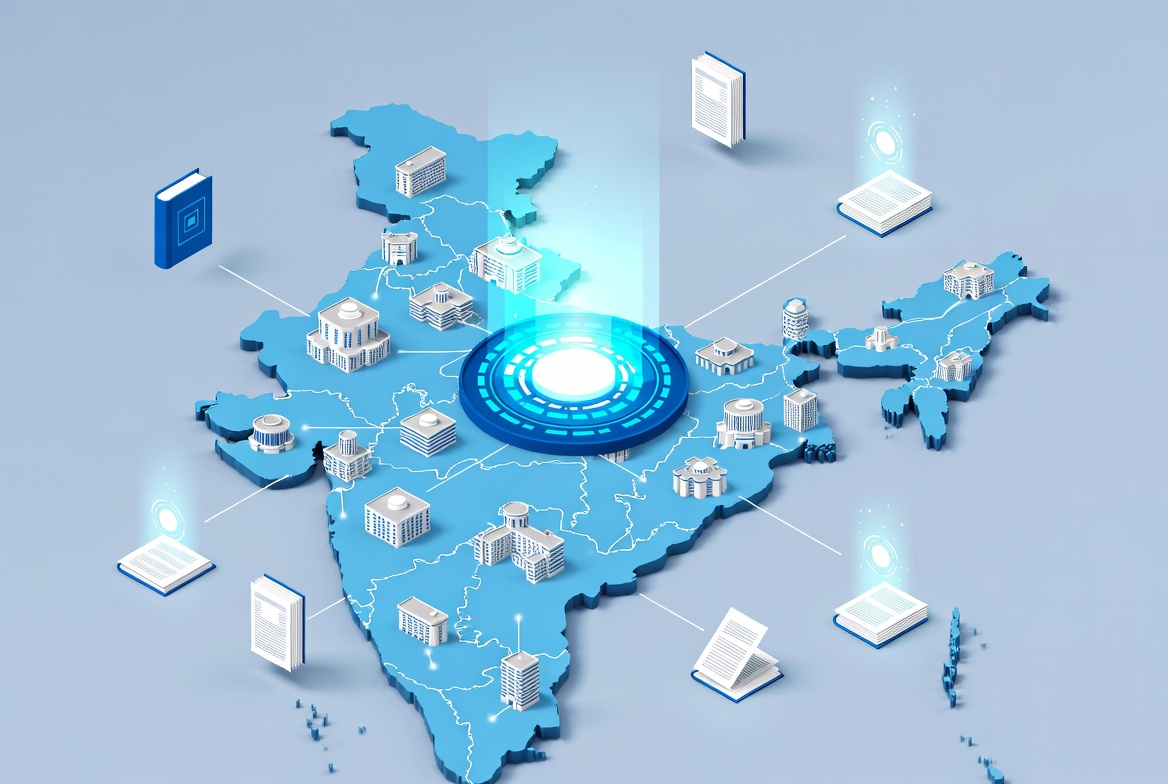
One Nation One Subscription (ONOS) is a Central Sector Scheme approved by the Union Cabinet on 25 November 2024 and launched on 1 January 2025. Implemented by the Department of Higher Education, Ministry of Education, it replaces institution-wise subscriptions with single nationwide commercial licenses negotiated centrally by the central government.
4. Key Features, Budget and Coverage
| Metric / Parameter | ONOS Policy Metric |
|---|---|
| Total Outlay | ₹6,000 Crore (2025–2027) |
| Total International Journals | 13,000+ Peer-Reviewed E-Journals |
| Major Publishers Covered | 30 Publishers (Elsevier, Springer Nature, Wiley, IEEE, OUP, CUP, Taylor & Francis) |
| Beneficiary Base | 1.8 Crore Students, Faculty & Researchers |
| Institutional Reach | 6,300+ Govt Colleges, Universities & Central R&D Labs |
| Open Access Publishing Support | ₹150 Crore/year APC (Article Processing Charges) Fund |
| Implementing Agency | INFLIBNET Centre, UGC (Gandhinagar) |
| Central Portal | onos.gov.in |
5. How the Scheme Actually Works
Access is authenticated seamlessly through campus IP ranges and remote Single Sign-On (SSO) login using INFED credentials. A student sitting at home in a remote village can log in with institutional credentials and download full-text PDFs. The platform incorporates a Knowledge Finder search engine powered by AI to query papers across all 30 publishers simultaneously.
6. First Year Performance – 11.3 Crore Downloads in 2025
According to official data released in March 2026, ONOS registered more than 11.3 crore research article downloads between 1 January 2025 and 31 December 2025 (averaging nearly 1 crore downloads monthly).

IIT Madras led all institutions with 40.3 lakh downloads, followed by IISc Bengaluru. State universities in Uttar Pradesh, Maharashtra, and Tamil Nadu accounted for over 45% of total volume, proving that small-town researchers actively utilized the gateway.
7. Link with NEP 2020 and Anusandhan National Research Foundation
NEP 2020 explicitly demanded democratisation of research resources. ONOS connects directly with the ₹50,000 crore Anusandhan National Research Foundation (ANRF) by equipping scholars with foundational literature needed to write competitive research grant proposals.
8. Challenges and the Road Ahead
In August 2025, a Parliamentary Standing Committee noted that several state colleges faced technical delays in IP mapping. Awareness drives and technical readiness remain priorities for INFLIBNET in 2026.

9. Comparison Table – Old System vs ONOS
| Feature | Earlier Fragmented System | One Nation One Subscription (ONOS) |
|---|---|---|
| Negotiation Model | Separate negotiations by individual institutions | Single national negotiation by Union Govt |
| Coverage of Institutions | Limited (~500 Top Tier Institutes) | 6,300+ All Government Universities & Labs |
| Number of Journals | Varied and incomplete | 13,000+ from 30 top global publishers |
| Cost to College Budget | High / Unaffordable for small colleges | 100% Borne by Central Govt (₹6,000 Cr) |
| Access Portal | Multiple fragmented logins | Single Central Portal (onos.gov.in) |
| Beneficiary Base | Uneven / Elite-focused | 1.8 Crore Students & Faculty |
10. Must Remember Points for Quick Revision
Bullet Points for Exam Revision:
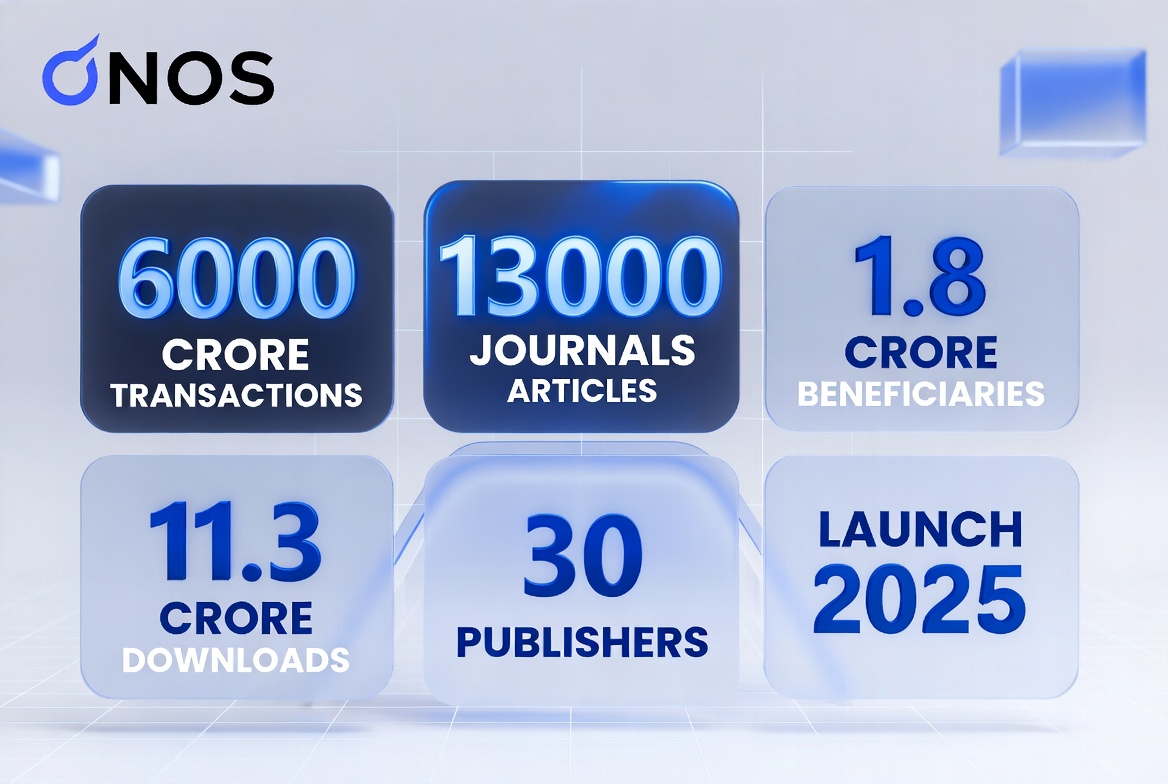
- Cabinet Approval: 25 November 2024 | Operational Date: 1 January 2025.
- Outlay: ₹6,000 crore for three calendar years (2025–2027).
- Scope: 13,000+ e-journals from 30 major global publishers.
- Reach: 6,300+ government higher education institutions & R&D labs (1.8 crore users).
- Implementing Agency: INFLIBNET Centre, UGC (Gandhinagar) via
onos.gov.in. - First Year Record: 11.3 crore article downloads in 2025.
- APC Publishing Support: ₹150 crore annually for Open Access publishing.
11. Conclusion & Action Plan for Aspirants
One Nation One Subscription is a practical step towards making quality research literature available to every government institution, whether it is in a metro city or a small district. For aspirants it is a perfect current affairs topic that connects NEP 2020, research culture, and digital India.
Do not just memorise the budget and the number of journals. Understand why the scheme was needed and what difference it is already making. Make a short note of the comparison table and the March 2026 download figures. These are the points most likely to appear in the paper.
Frequently Asked Questions (Exam FAQ)
What is the budget and duration of the ONOS scheme?
The Central Sector Scheme has an outlay of approximately Rs 6,000 crore for three calendar years (2025, 2026, and 2027), approved on November 25, 2024.
How many journals and institutions are covered under ONOS?
It provides nationwide access to over 13,000 e-journals from 30 major international publishers across 6,300+ government higher education institutions and R&D labs, benefiting 1.8 crore students and researchers.
Which agency implements the ONOS portal?
The Information and Library Network (INFLIBNET) Centre, an autonomous Inter-University Centre of the UGC, manages the central portal at onos.gov.in.
Sources: Ministry of Education, INFLIBNET Centre (onos.gov.in), PIB Releases.
NEEDS DOUBLE-CHECK: none
Master Higher Education & Research Policy on RRBCONTENTS
Practice PYQs, read current affairs notes, and explore exam study tools.
Solve Education Policy PYQs → Explore Govt Jobs →Join our official Telegram channel: @rrbcontents