 RRB
RRB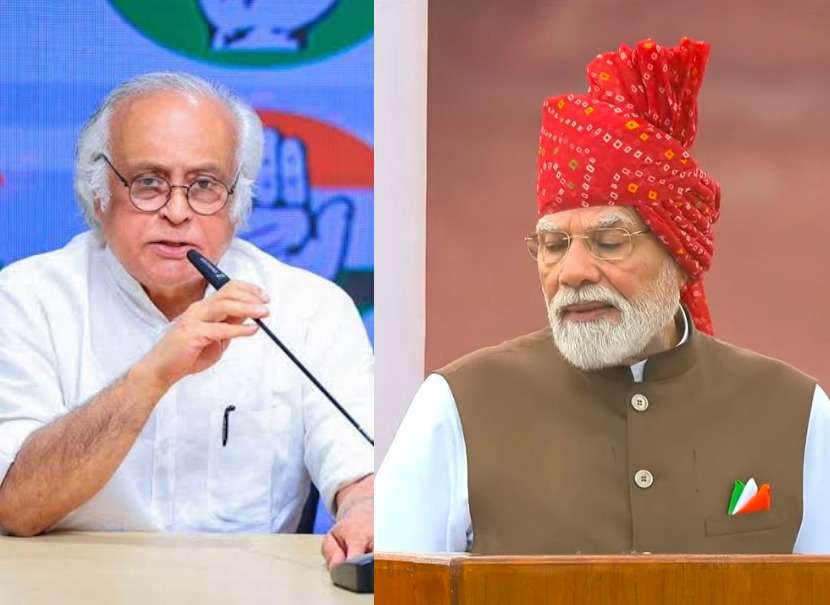
Prime Minister Narendra Modi’s reference to “dimagi Naxals” in his Independence Day speech on 15 August 2026 has drawn sharp criticism from the opposition. The term, roughly translating to intellectual or mental Naxals, was used while speaking about the decline of armed Maoist violence.
Who reacted
The strongest response came from the Congress. Party general secretary Jairam Ramesh, senior leader P. Chidambaram, and Sachin Pilot were among those who spoke out. Leaders from the CPI and CPI(M) also criticised the remark. Maharashtra Chief Minister Devendra Fadnavis, on the other hand, supported the Prime Minister’s statement.
Where it happened
The comment was made from the ramparts of the Red Fort during the 80th Independence Day address. The political reaction unfolded across the day through statements, television interviews, and posts on X.
Why the remark was made
In his speech, Modi said armed Naxalism was “breathing its last” after decades of violence that had claimed thousands of lives, including more than 3,500 security personnel. He then added that while the armed groups had been largely eliminated, “dimagi Naxals” were still looking for opportunities to create unrest and pull society in the wrong direction. He called for such elements to be identified and isolated, and for the youth to be connected with the mainstream.
Who is the target
The opposition maintains that the term is aimed at political critics, activists, academics, and intellectuals who question the government. They link it to earlier labels such as “urban Naxals,” “Andolanjeevi,” and “tukde tukde gang” that have been used in previous years.
Why the opposition criticised it and key X post
Opposition leaders said the language was an attempt to stigmatise dissent on a national occasion. They argued that such labels are used to paint critics as anti-national or dangerous without clear definition.
Congress general secretary Jairam Ramesh posted on X: “First he called his opponents ‘urban naxals’. Now he calls them ‘dimaagi naxals’. It is a sure sign of his desperation. It is a separate matter that he ends up doing whatever these so-called ‘urban naxals’ or now ‘dimaagi naxals’ are demanding or advocating. It is not for nothing that the PM has a MA being the ‘Master Abuser’ in Entire Political Science that he is.”
P. Chidambaram described it as a new variation of earlier attacks on dissident intellectuals. Sachin Pilot said the remarks showed the government was “rattled” by questions from youth and students. CPI general secretary D. Raja called it an attempt to intimidate those who question the government.
Meaning of the term in context
The phrase “dimagi Naxal” continues a political vocabulary that has been used for several years. “Urban Naxal” was earlier employed against activists and critics. In Parliament, the Home Minister had once stated there was no official definition of the term. The opposition sees the new phrasing as an expansion of the same approach — shifting from physical violence in forests to alleged ideological influence in institutions and public debate.
Supporters of the Prime Minister argue that ideological networks that once backed armed groups still need attention even after the decline of violence on the ground.
Conclusion
The exchange shows how language used on Independence Day quickly becomes part of the political contest. The government presents the remark as a warning against residual ideological threats. The opposition reads it as an effort to narrow the space for criticism. The debate is likely to continue in the coming days as both sides dig into the meaning and intent behind the words spoken from the Red Fort.