 RRB
RRB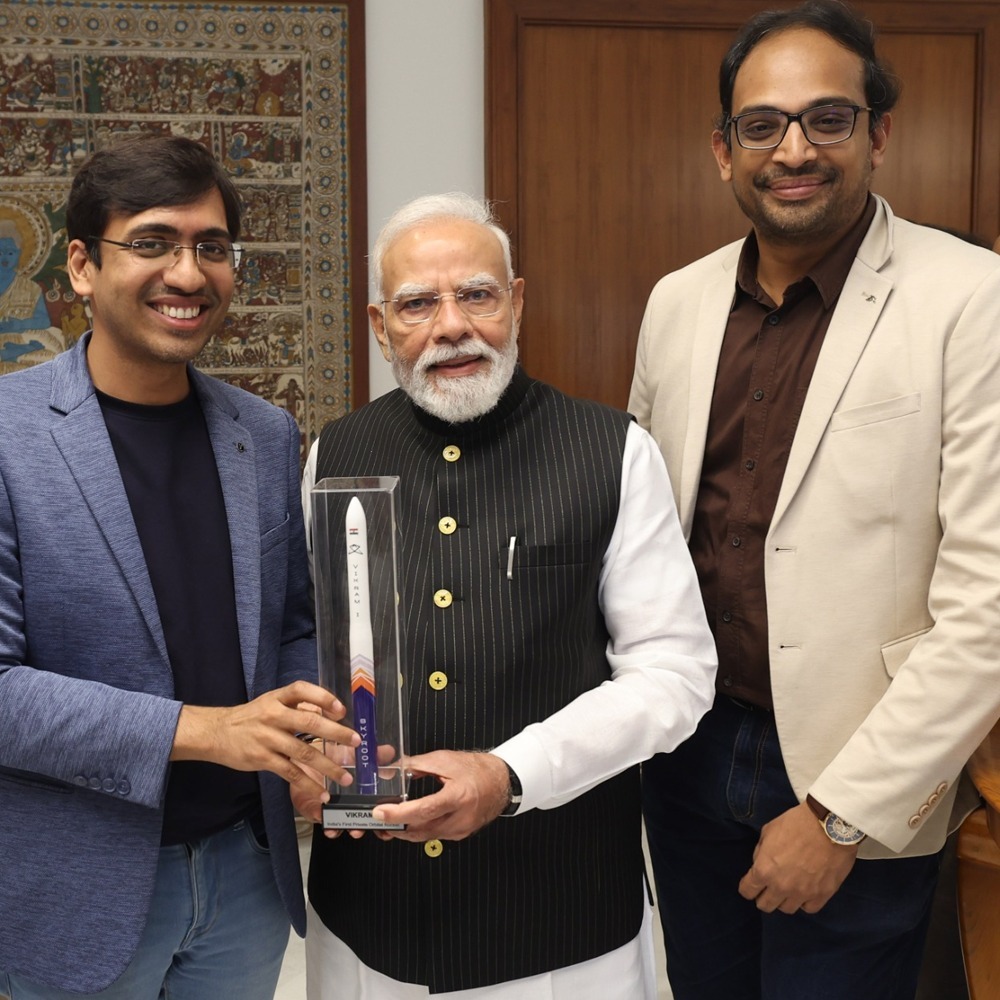
PM Modi space startups meeting took place on 21 August 2026 at Seva Teerth in New Delhi. The Prime Minister interacted with founders and CEOs of 20 Indian space companies. As a result, the discussion focused on turning India into a global space technology hub. Therefore, the meeting carried both symbolic and practical importance for the private space sector.
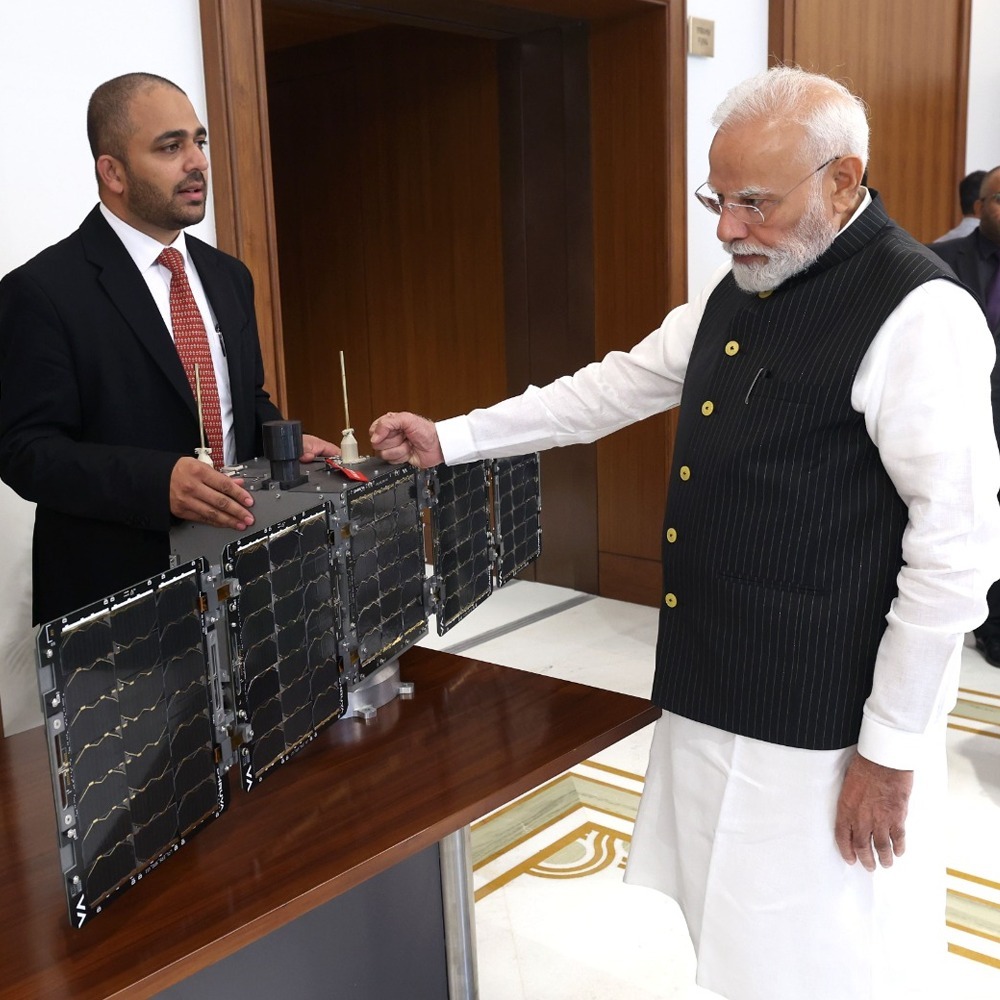
The startups present work across rockets, satellites, propulsion systems, space debris management, defence intelligence and AI-based weather solutions. In addition, Modi congratulated the young entrepreneurs for taking risks in a demanding field. Consequently, the interaction highlighted the rapid rise of India’s private space ecosystem.
He also urged the companies to expand applications of space technology into agriculture, livestock, dairy and environment. Meanwhile, the government reaffirmed full support for the sector’s growth.
Details of the PM Modi Space Startups Meeting
The meeting included leading names such as Skyroot Aerospace, Agnikul Cosmos, Pixxel, Dhruva Space, GalaxEye, Bellatrix Aerospace, Digantara, SatSure and several others. First, the founders shared progress on indigenous technologies. Second, they noted growing international interest in Indian space solutions. Third, they acknowledged government reforms that opened the sector after 2020.
Modi said the confidence shown by private companies had strengthened the vision behind liberalising the space sector. Moreover, he pointed out that many countries either lack resources or the will to invest heavily in space. As a result, India has a clear opportunity to capture a larger global role.
He also called for closer links with Atal Tinkering Labs. Therefore, school students can develop early interest in space science and technology.
India’s Current Position in the Global Private Space Sector
India’s overall space economy is currently estimated at around $8.4 billion. This represents roughly 2 per cent of the global space market. In comparison, the United States and a few other advanced economies dominate the larger share.
However, the private segment is growing fast. India now has more than 400 space startups. Private investment has risen nearly six-fold and crossed $618 million by March 2026. In addition, cumulative funding across the ecosystem has moved higher according to recent industry trackers.
Skyroot Aerospace became the first Indian space-tech unicorn after a successful private orbital launch path. Pixxel, Agnikul, Digantara and Bellatrix have also attracted significant capital. Consequently, India is no longer only a government-led space power. It is steadily building a commercial private ecosystem.
Government Initiatives to Support Space Companies
The major shift began with the decision to open the space sector to private participation. The Indian Space Policy 2023 provided a clear framework. IN-SPACe was created as a single-window agency for authorisation and promotion of private activities.
Foreign Direct Investment norms were liberalised. Automatic FDI up to 74 per cent is allowed in satellite manufacturing and operations. Launch vehicles and spaceports permit 49 per cent automatic FDI. Manufacturing of components allows 100 per cent automatic FDI. As a result, both domestic and foreign capital found an easier entry route.
The government also launched a ₹1,000 crore Venture Capital Fund and a ₹500 crore Technology Adoption Fund. These instruments aim to support early-stage and scaling companies. Moreover, private firms have been given access to ISRO facilities and testing infrastructure. Therefore, the cost and risk of development have reduced for many startups.
Future Government Plans and Industry Projections
India has set an ambitious target. The space economy is projected to grow to $44 billion by 2033. This would raise the country’s global share from about 2 per cent to around 8 per cent. Some estimates place the figure between $40 billion and $45 billion by 2030.
Of the $44 billion target, around $11 billion is expected from international markets through launches, data services, applications and manufacturing. In addition, downstream segments such as satellite communications, Earth observation and navigation are expected to drive a large part of the growth.
IN-SPACe continues to issue authorisations. More commercial private launches are planned in the coming years. The government also wants space technology to serve everyday sectors such as farming, disaster management and environmental monitoring. Consequently, the focus is shifting from pure technology demonstration to large-scale commercial and societal use.
Current Business and Growth Trajectory

Private companies are already generating revenue from satellite data, launches and specialised services. Pixxel has secured international clients, including contracts linked to Earth observation. Other firms are building propulsion systems, debris tracking solutions and weather intelligence platforms.
Funding remains concentrated among the top players. Yet the broader base of more than 400 startups shows wide activity across the value chain. In the short term, the sector is moving from experimentation to repeatable commercial operations. Therefore, the next few years will test how many companies can scale sustainably.
You can follow more science, technology and current affairs updates on rrbcontents.com. Detailed reports on the meeting and sector growth are available at Business Standard, The Tribune and official government briefings on IN-SPACe and space reforms.
Conclusion
The PM Modi space startups meeting on 21 August 2026 underlined the growing confidence in India’s private space industry. The government has opened the sector, created institutions, liberalised investment rules and offered financial support. As a result, more than 400 startups are now active and private capital has risen sharply.
India still holds only about 2 per cent of the global space market. However, the target of $44 billion by 2033 and an 8 per cent share shows clear ambition. If the private companies deliver commercial results and the policy support continues, the sector can become a meaningful global player. Therefore, the coming decade will decide how far India moves from a strong government space programme to a balanced public-private space economy.