Home › Jobs & Energy › Solar Schemes › PM Suryodaya Guide
PM Suryodaya Yojana 2026 Complete Guide for Exams
Many students preparing for competitive exams get stuck on one simple question: Is Pradhanmantri Suryodaya Yojana different from PM Surya Ghar Muft Bijli Yojana? Some notes mention one name, some mention the other. When the same scheme appears under two different names in different months, confusion is natural.
I have seen this happen many times in classrooms. A student remembers the subsidy amount correctly but writes the wrong scheme name and loses marks. That is why this article is written. Today we will clear the entire story from the first announcement in January 2024 to the latest progress figures of July 2026. By the end of this detailed discussion you will know the history, features, subsidy structure, eligibility, progress and exam relevance of the scheme without any confusion.
Table of Contents
- 1. Why Scheme Name Confusion is Common in Competitive Exams
- 2. Background of Solar Policy in India
- 3. Announcement of Pradhanmantri Suryodaya Yojana
- 4. Formal Launch as PM Surya Ghar Muft Bijli Yojana
- 5. Objectives and Key Features of the Scheme
- 6. Subsidy Structure and Financial Assistance
- 7. Eligibility Criteria and Application Process
- 8. Progress of the Scheme till July 2026
- 9. Link with National Solar Mission and Climate Goals
- 10. Challenges and Way Forward
- 11. Detailed Comparison Table
- 12. Must Remember Points for Quick Revision
- 13. Conclusion & Action Steps for Aspirants
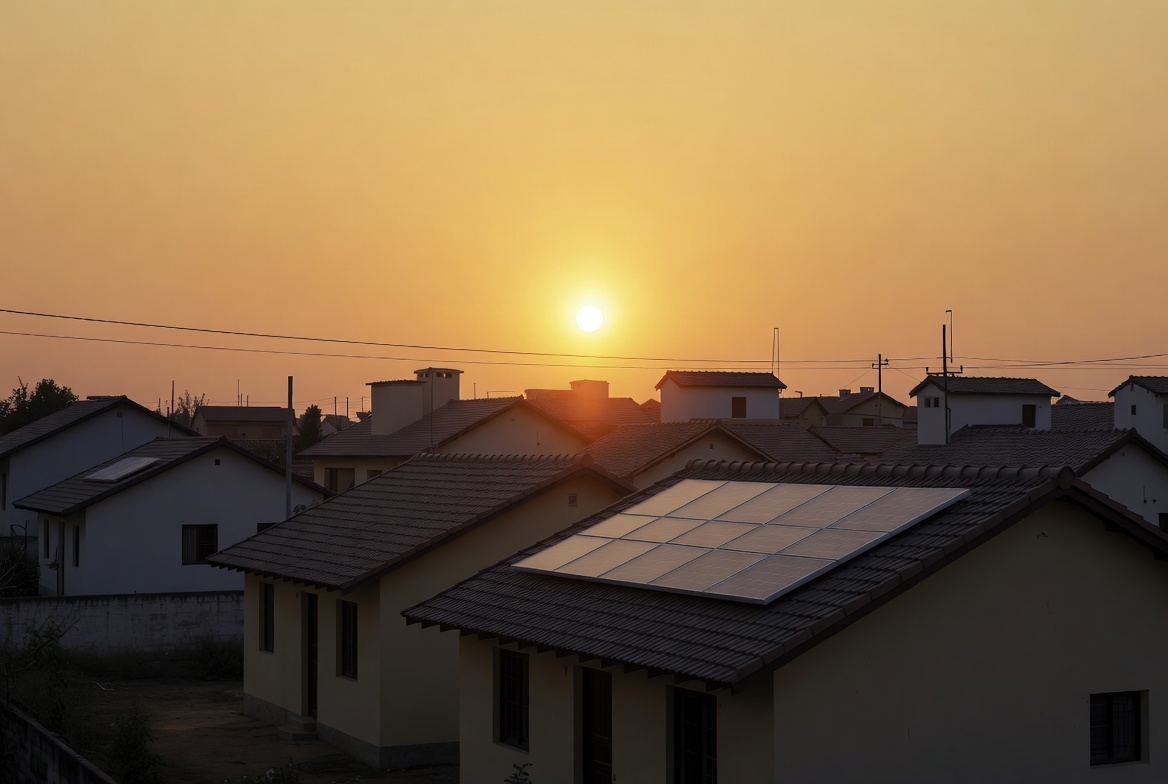
Key Takeaways & Exam Highlights
- Timeline & Evolution: Announced in January 2024 as Pradhanmantri Suryodaya Yojana; formally launched on 13 February 2024 as PM Surya Ghar: Muft Bijli Yojana.
- Total Outlay: ₹75,021 crore allocated by Ministry of New and Renewable Energy (MNRE).
- Target Goal: Install rooftop solar systems on 1 crore residential households by 31 March 2027.
- Free Electricity: Up to 300 units of free solar electricity per month per household.
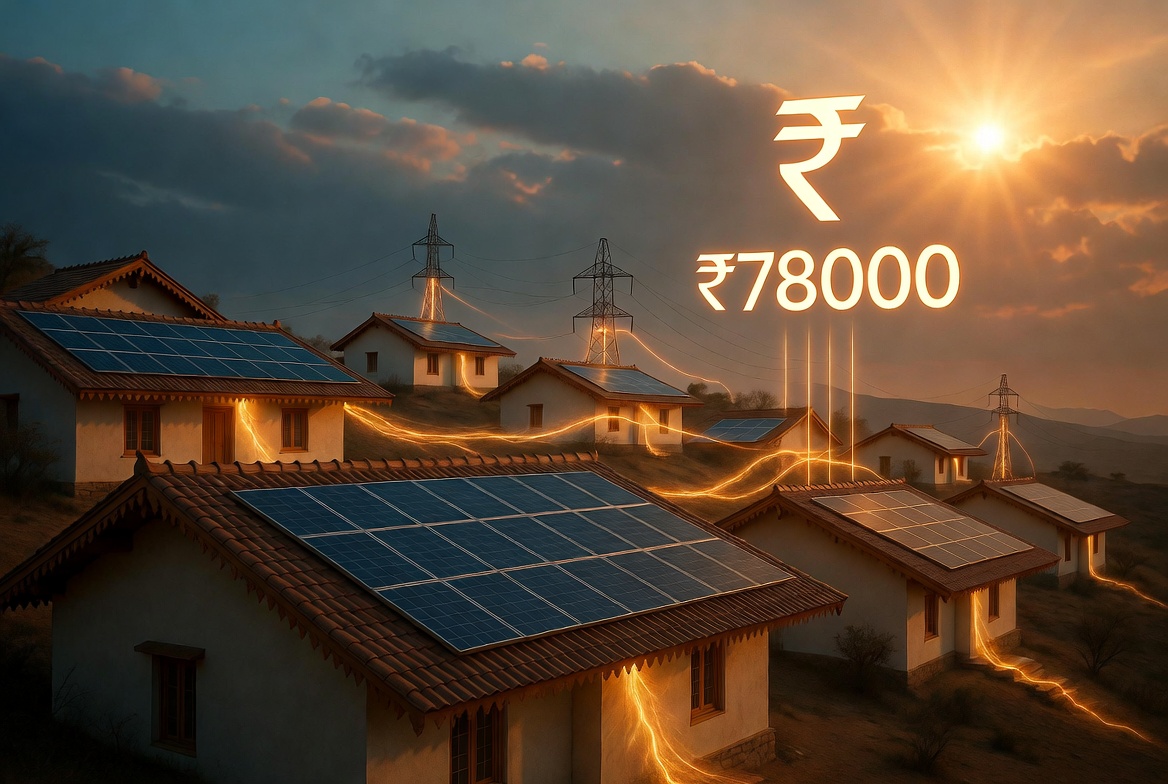
- Central Subsidy Slabs: ₹30,000/kW for 1–2 kW; ₹18,000 for 3rd kW (Maximum ₹78,000 CFA for 3 kW and above).
- Official Portal:
pmsuryaghar.gov.in.
1. Why Scheme Name Confusion is Common in Competitive Exams
In the last two years many current affairs compilations have used both names. Some newspapers in January 2024 used Suryodaya. After the formal launch most official documents started using PM Surya Ghar Muft Bijli Yojana. Examiners sometimes pick questions from older PIB releases and sometimes from the latest portal.
If you do not know the timeline, you may think they are two separate schemes. The reality is that both names refer to the same programme. Understanding this small history saves you from silly mistakes.
2. Background of Solar Policy in India
India’s serious push for solar energy started with the Jawaharlal Nehru National Solar Mission (JNNSM) launched in 2010 under the National Action Plan on Climate Change (NAPCC). The mission had three phases and aimed at making solar power competitive with grid thermal power.
Rooftop solar remained a weak link for many years. Large utility-scale solar parks grew fast, but residential rooftops lagged behind because of high upfront equipment cost, lack of consumer awareness, and complicated DISCOM net-metering procedures. By 2023, the government realized that without bringing ordinary households into the solar revolution, achieving the 500 GW non-fossil capacity target by 2030 would be difficult. That realization led to this massive residential rooftop mission.
3. Announcement of Pradhanmantri Suryodaya Yojana
In January 2024, shortly after the consecration of the Ram temple in Ayodhya, Prime Minister Narendra Modi chaired a high-level meeting. In that meeting he announced the Pradhanmantri Suryodaya Yojana with a clear target of installing rooftop solar systems on 1 crore houses.
The announcement focused on two main goals. First, reduce the monthly electricity bills of poor and middle-class families to zero. Second, make India self-reliant in energy by utilizing abundant solar irradiance.
4. Formal Launch as PM Surya Ghar Muft Bijli Yojana
The scheme was formally approved by the Union Cabinet on 13 February 2024 under the official name PM Surya Ghar: Muft Bijli Yojana. The total financial outlay was fixed at ₹75,021 crore with an implementation timeline extending up to 31 March 2027.
5. Objectives and Key Features of the Scheme
- Install rooftop solar systems on 1 crore residential households.
- Provide up to 300 units of free electricity every month to beneficiary households.
- Reduce DISCOM distribution losses and power purchase costs during peak hours.
- Add 30 GW of residential solar capacity, generating 1,000 billion units (BU) of clean electricity over 25 years.
6. Subsidy Structure and Financial Assistance
Central Financial Assistance (CFA) is deposited directly into the beneficiary's bank account via Direct Benefit Transfer (DBT):
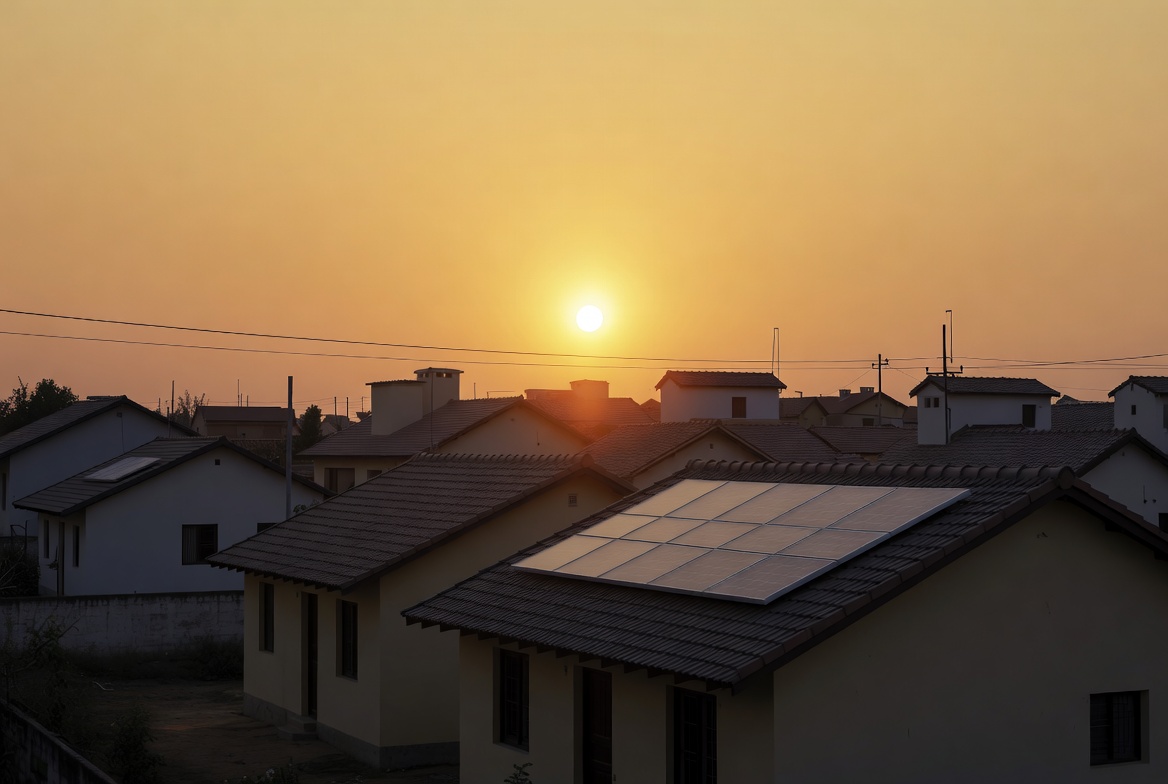
| Rooftop Solar Capacity | Central Subsidy (CFA) Amount | Target Monthly Units |
|---|---|---|
| 1 kW System | ₹30,000 | 100–120 Units |
| 2 kW System | ₹60,000 | 200–240 Units |
| 3 kW and above | ₹78,000 (Maximum Cap) | 300+ Units |
7. Eligibility Criteria and Application Process
Any Indian citizen owning a residential property with a suitable rooftop and an active electricity connection can apply through the national portal pmsuryaghar.gov.in. Concessional collateral-free bank loans (at ~7% interest rate) are available for remaining costs.
8. Progress of the Scheme till July 2026
As per official MNRE updates in July 2026:
- More than 1 crore households registered on the national portal.
- Completed installations crossed 39 lakh households (~14 GW capacity).
- ₹27,000+ crore disbursed in Central Financial Assistance.
- Leading states: Gujarat, Uttar Pradesh, Maharashtra, and Rajasthan.
9. Link with National Solar Mission and Climate Goals
Supports India's NDC targets under the Paris Agreement, cutting 720 million tonnes of CO2 emissions over 25 years.
10. Challenges and Way Forward
Addressing transformer net-metering capacity bottlenecks, vendor quality control, and integrating battery energy storage systems (BESS) for grid stability.
11. Detailed Comparison Table
| Aspect | Details |
|---|---|
| Initial Announcement Name | Pradhanmantri Suryodaya Yojana (Jan 2024) |
| Formal Launch Name | PM Surya Ghar: Muft Bijli Yojana (13 Feb 2024) |
| Total Financial Outlay | ₹75,021 Crore |
| Target Base | 1 Crore Households by 31 March 2027 |
| Maximum Central Subsidy | ₹78,000 (for 3 kW system) |
| Free Electricity Promise | Up to 300 units per month |
| Official Portal | pmsuryaghar.gov.in |
| Progress (July 2026) | 39+ Lakh Installations (~14 GW capacity) |
12. Must Remember Points for Quick Revision
Quick Revision Summary:
- Announced: January 2024 (Suryodaya). Formally launched: 13 February 2024 (PM Surya Ghar).
- Outlay: ₹75,021 crore.
- Target: 1 crore households by 31 March 2027.
- Subsidy: ₹30,000/kW up to 2 kW + ₹18,000 for 3rd kW (Max ₹78,000).
- Free Units: Up to 300 units/month.
13. Conclusion & Action Steps for Aspirants
PM Suryodaya / Surya Ghar Muft Bijli Yojana bridges green energy transition with citizen-centric governance. Write down the 6 key numbers in your study notebook now to lock this topic for your upcoming exams!
Frequently Asked Questions (Exam FAQ)
Is PM Suryodaya Yojana different from PM Surya Ghar Muft Bijli Yojana?
No, PM Suryodaya Yojana was the initial announcement name in January 2024, which was formally launched on February 13, 2024, as PM Surya Ghar: Muft Bijli Yojana.
What is the maximum central subsidy under the scheme?
The subsidy provides Rs 30,000/kW for 1-2 kW systems and Rs 18,000 for the 3rd kW, capping at a maximum central subsidy of Rs 78,000 for systems of 3 kW and above.
How many free electricity units are promised per month?
The scheme enables residential households to generate up to 300 units of free electricity per month, selling surplus solar energy back to local DISCOMs.
Sources: Ministry of New and Renewable Energy (MNRE), pmsuryaghar.gov.in, PIB Releases.
NEEDS DOUBLE-CHECK: none
Master Energy & Solar Policy on RRBCONTENTS
Practice PYQs, read current affairs notes, and explore job exam guides.
Solve Energy Policy PYQs → Explore Govt Jobs →Join our official Telegram channel: @rrbcontents