 RRB
RRB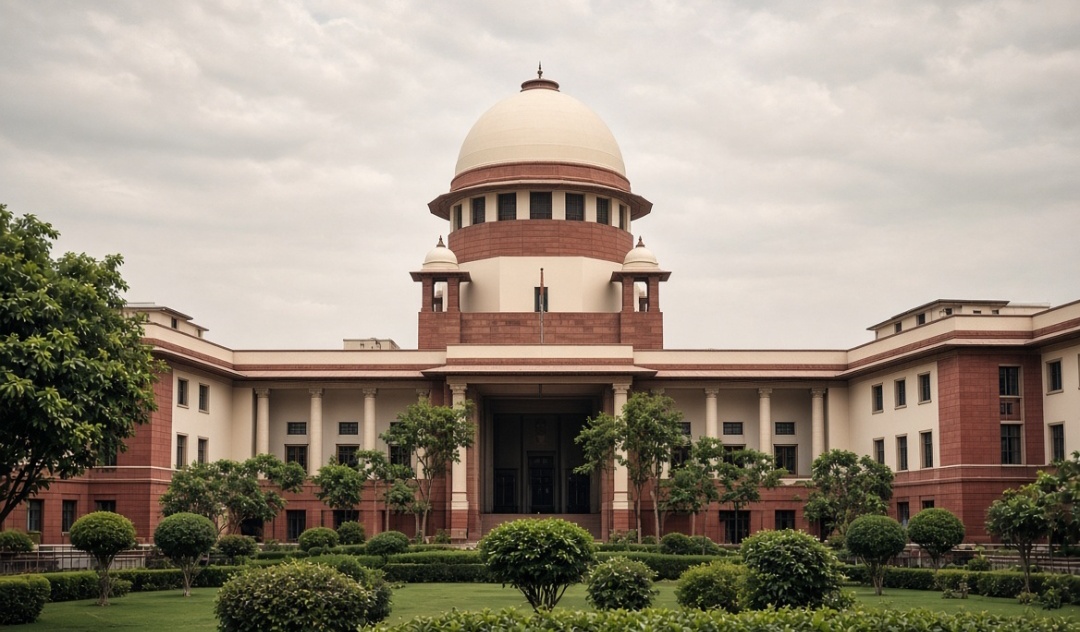
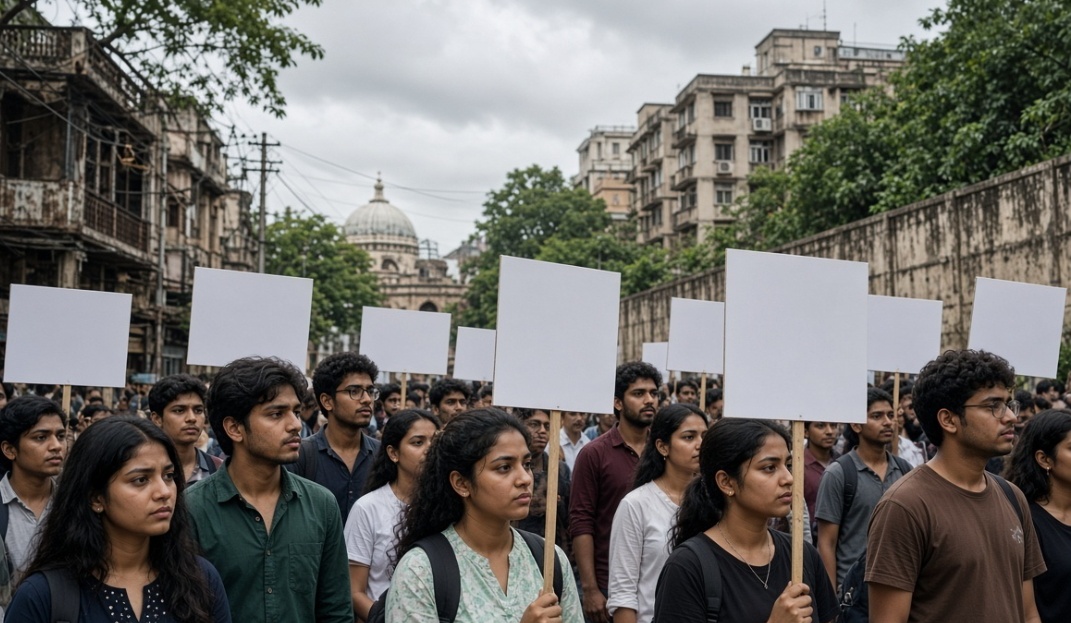
The Supreme Court has decided to set up a high-powered committee to examine allegations of police excesses during the student protests linked to NEET and other examination issues. The protests, organised under the banner of the Cockroach Janta Party (CJP), had seen significant tension at Jantar Mantar and during the march towards Parliament on 20 July 2026.
A bench headed by Chief Justice of India Surya Kant, along with Justices Joymalya Bagchi and V. Mohana, made the announcement on 18 August. The formal order constituting the committee is expected to be issued on 19 August after the court receives suggestions on its composition.
What the Committee Will Look Into
The proposed panel is expected to include a retired Supreme Court judge, a former High Court Chief Justice, a former CBI Director and a former Director General of Police. The court has already obtained the consent of a former CBI Director and a former DGP who are not from the states directly connected with the protests.
The committee will conduct a fact-finding exercise. It will examine allegations of excessive force by the police, including the use of lathis and tear gas. It will also look into complaints of sexual assault and online harassment of female protesters, as well as claims of violence against police personnel.
Video footage and CCTV recordings of the 20 July Parliament march will be handed over to the panel for examination. The court has made it clear that victims who approach the committee will be given an opportunity to be heard.
Chief Justice Surya Kant observed during the hearing that there can be no excuse or justification for excesses, whoever is responsible. The matter must be taken to its logical conclusion.
Background of the Protests
The agitation began over alleged paper leaks and irregularities in competitive examinations, particularly NEET-UG. Students and job aspirants had been demonstrating at Jantar Mantar for weeks. On 20 July, a large march towards Parliament led to clashes with security forces. Police used force to disperse the crowd. Multiple FIRs were registered, and several students were detained.
Petitions were filed in the Supreme Court alleging police excesses. The court had earlier indicated that the right to peaceful protest is protected and that excesses cannot be justified merely because there is an agitation.
During the 18 August hearing, the court also indicated that it may use its powers under Article 142 of the Constitution to quash FIRs against students who had no serious criminal antecedents. Cases involving those with a history of grave offences would be treated differently.
Second Matter: Hanging as Mode of Execution
On the same day, a different bench of the Supreme Court dismissed a petition seeking the abolition of hanging as the method of executing death sentences and its replacement with lethal injection or other methods.
Justices Vikram Nath and Sandeep Mehta held that no sufficient case had been made out to reopen the earlier constitutional position. However, the court clarified that its judgment does not prevent the Union government from reviewing the method of execution through an expert body if it considers it appropriate.
Supportive Links
- India Today – SC to set up panel on police excesses
- The Hindu – SC ready to quash FIRs against students
- Indian Express – High-powered panel with ex-judge and former CBI chief
- The Hindu – SC dismisses plea on hanging
Key Court Observations
CJI Surya Kant: “Whosoever is responsible, there can be no excuse and no justification. It must be taken seriously and taken to its logical conclusion. That is why we are constituting a high-powered committee.”
The court has emphasised that the future of students should not be permanently damaged by FIRs arising from participation in protests, while serious offences will be dealt with separately.
The formal composition of the committee and its detailed terms of reference are expected in the order to be issued on 19 August. Both the protest-related panel and the hanging judgment are being closely followed.