Home › Blog › Climatology › South Korea Jangma & Indian Monsoon
South Korea Monsoon (Jangma 2026) & Atmospheric Teleconnection to India
Track Ministry of Earth Sciences, IMD Meteorologist & Environmental Officer openings on RRBCONTENTS Jobs Portal.
Key Takeaways & Summary
- Jangma Delay in Korea: South Korea's Korea Meteorological Administration (KMA) confirmed a delayed onset of the 2026 summer monsoon (Jangma) due to stubborn high-pressure ridges over the Northwest Pacific.
- Atmospheric Bridge (CGT): The Circumglobal Teleconnection (CGT) wave pattern in the upper troposphere links Indian summer rainfall to East Asian climate systems.
- South Asian High Mechanism: Latent heat released over the Bay of Bengal amplifies the Tibetan Anticyclone, steering atmospheric Rossby waves downstream toward the Korean Peninsula.
- UPSC High-Yield Topic: Essential case study for GS Paper 1 Physical Geography (Monsoon Teleconnections) and GS Paper 3 Environment.
Table of Contents
- 1. Understanding Jangma: The East Asian Monsoon Mechanism
- 2. The 2026 Jangma Anomaly in South Korea
- 3. The Science of Teleconnections: Linking India and South Korea
- 4. Comparative Matrix: Indian Monsoon vs. South Korean Jangma
- 5. High-Yield Exam Corner for Competitive Aspirants
- 6. Frequently Asked Questions (FAQ)
The Planetary Atmosphere Connection: How South Korea’s Delayed Monsoon (Jangma 2026) Is Scientifically Linked to India’s Rainy Season
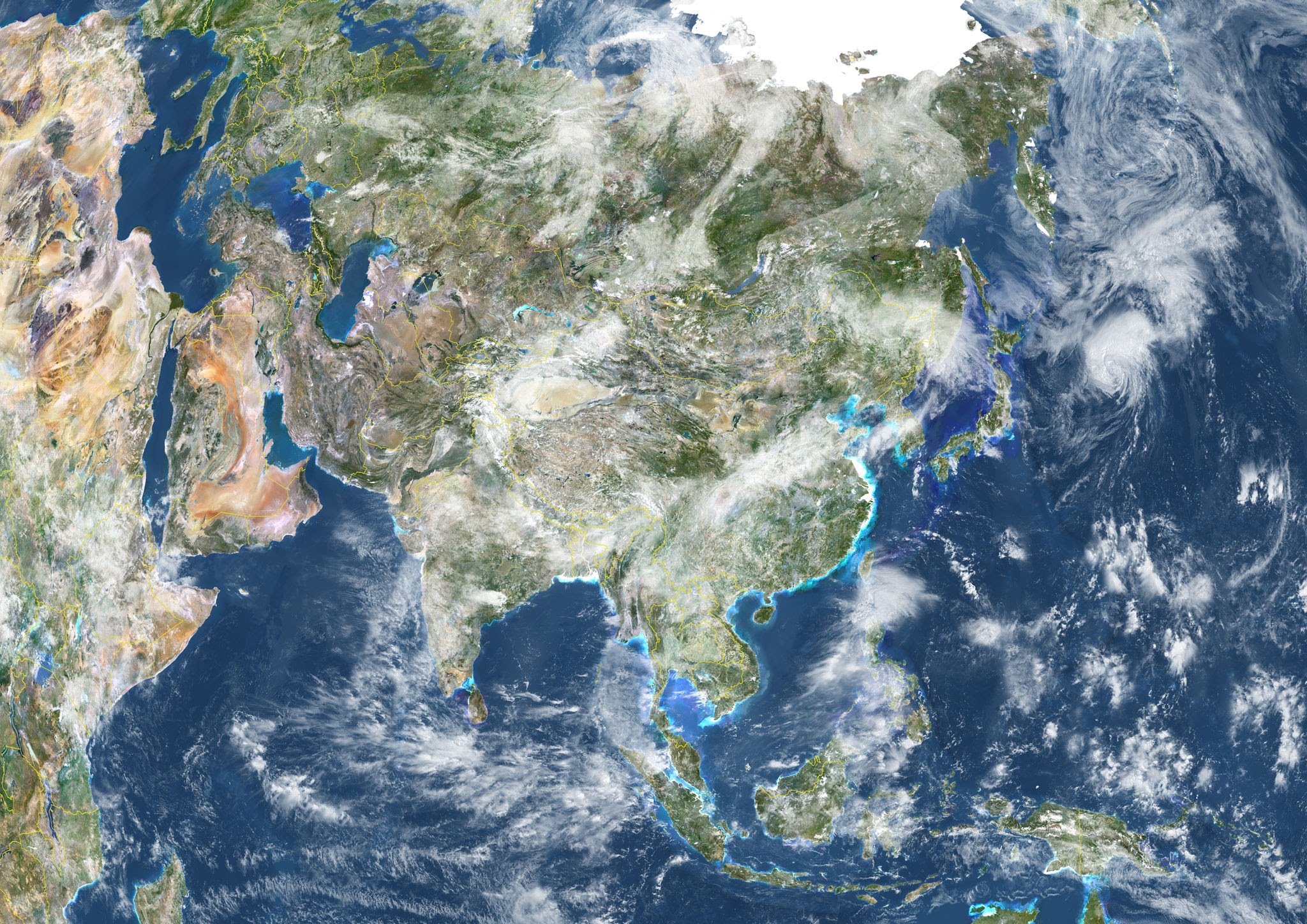
While weather headlines in India focus on active monsoon surges across the Western Ghats and Northern Plains, meteorologists at the Korea Meteorological Administration (KMA) and global climate research centers are tracking an intriguing atmospheric phenomenon: a delayed and erratic start to Jangma 2026, South Korea's official summer monsoon season.
At first glance, the tropical monsoon over the Indian subcontinent and the East Asian monsoon front over the Korean Peninsula appear to be completely separate regional weather events. However, advanced satellite climatology and jet-stream dynamic modeling reveal that these two systems are connected across 5,000 kilometers of the Asian continent via a high-altitude atmospheric phenomenon known as Circumglobal Teleconnection (CGT) and downstream Rossby wave propagation.
1. Understanding Jangma: The East Asian Monsoon Mechanism
In South Korea, the summer rainy season is known locally as Jangma. Unlike the Indian monsoon—which is primarily driven by the seasonal thermal gradient between the Asian landmass and the Indian Ocean—the East Asian monsoon is created by a stationary frontal collision between contrasting air masses.
2. The 2026 Jangma Anomaly in South Korea
According to official briefings released by the Korea Meteorological Administration (KMA), the 2026 Jangma season exhibited notable anomalies compared to 30-year climatological averages:
- Delayed Onset: While Jangma typically begins around June 23–25 in southern South Korea and Jeju Island, the 2026 front stalled until early July due to an unusually persistent upper-level cold trough over the Sea of Japan.
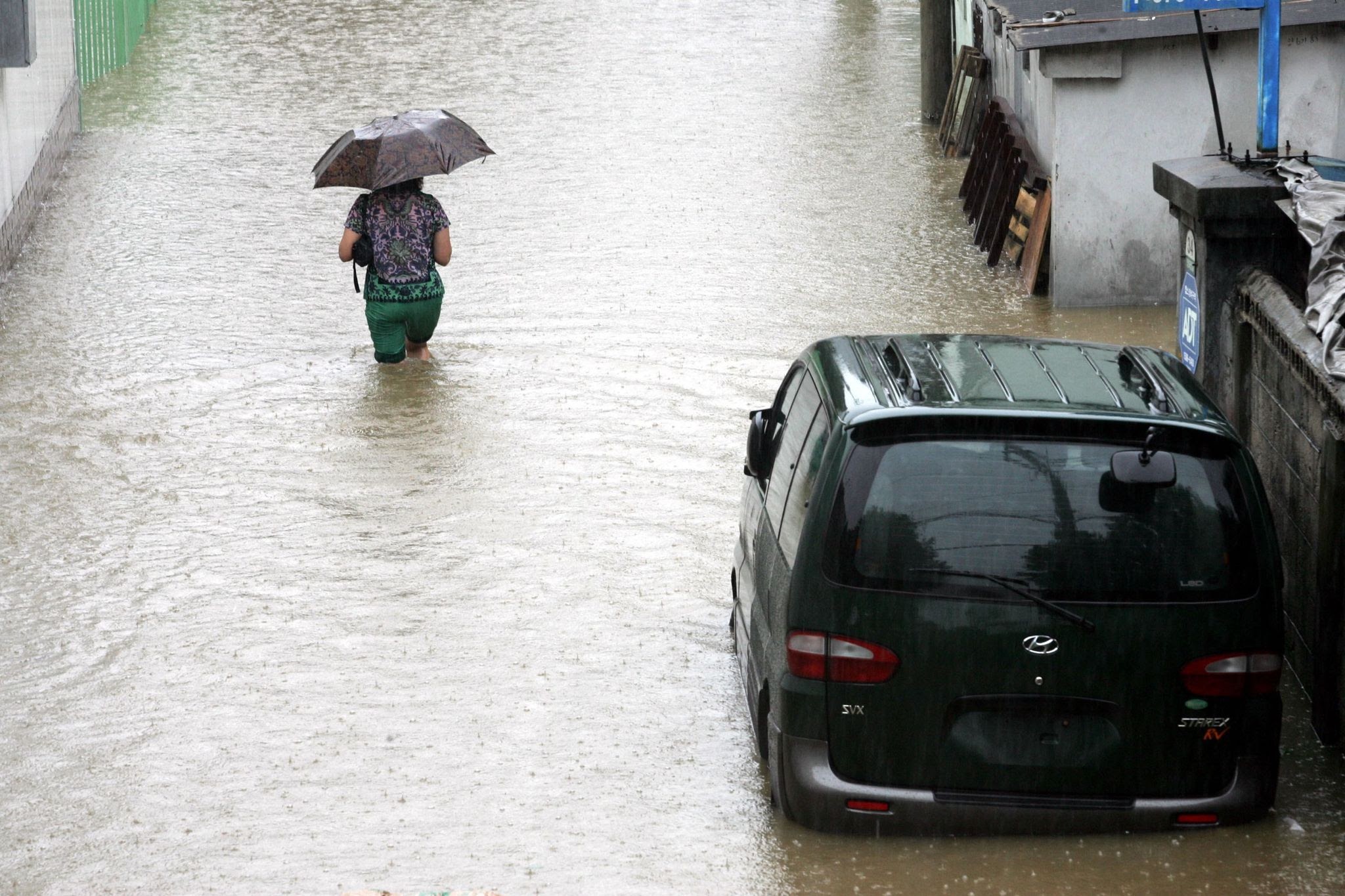
- Torrential Downpour Spikes: Once the front activated, localized precipitation intensity surged, with coastal regions like Busan and Incheon recording heavy rain.
3. The Science of Teleconnections: Linking India and South Korea
How does rainfall in India influence atmospheric behavior in South Korea? The bridge lies in planetary-scale atmospheric dynamics.
A. The South Asian High (Tibetan Anticyclone) Engine
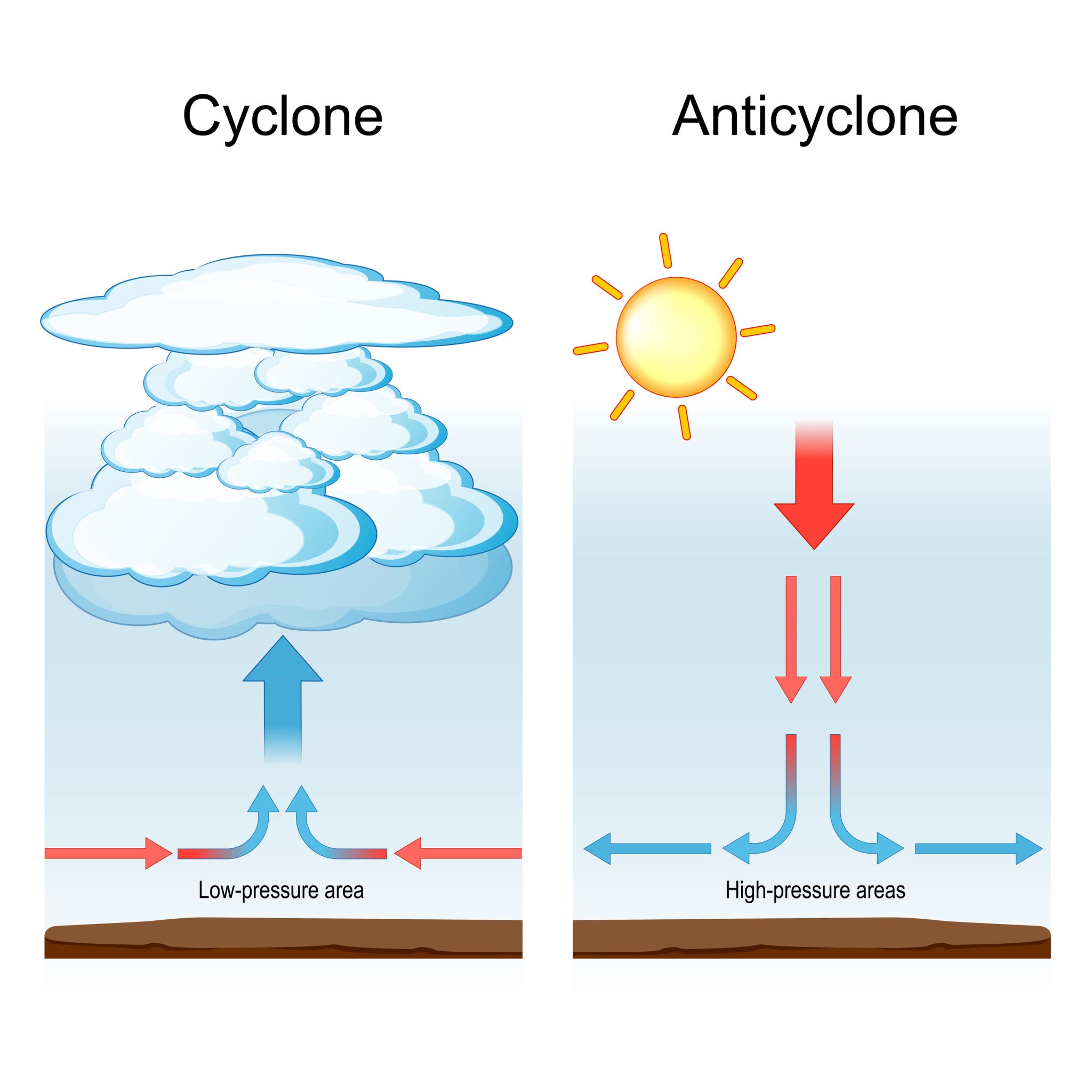
During the Indian monsoon, latent heat released by heavy convective rainfall over the Bay of Bengal and Central India warms the upper troposphere. This intense heating strengthens a massive upper-air high-pressure system known as the South Asian High (SAH) over the Tibetan Plateau.
4. Comparative Matrix: Indian Monsoon vs. South Korean Jangma
| Climatological Parameter | Indian Summer Monsoon (ISM) | South Korean Monsoon (Jangma) |
|---|---|---|
| Primary Driver | Differential heating between Indian landmass & Ocean. | Frontal clash (Okhotsk High vs North Pacific High). |
| Peak Season | June to September (4 months). | Late June to late July (~1 month). |
| Key Forecasting Agency | India Meteorological Department (IMD). | Korea Meteorological Administration (KMA). |
🎓 High-Yield Exam Corner for Competitive Aspirants (UPSC / State PSCs / SSC)
GS Paper 1: Physical Geography (Climatology)
- Teleconnection: A causal link between weather anomalies occurring in widely separated geographic regions.
- Rossby Waves: Meandering horizontal oscillations in high-altitude jet streams driven by Earth's rotation (Coriolis force).
6. Frequently Asked Questions (FAQ)
What is Jangma in South Korea?
Jangma is South Korea's summer monsoon season, typically occurring between late June and late July, caused by the clash between cold Okhotsk High air and warm North Pacific High air.
What is Circumglobal Teleconnection (CGT) in climatology?
Circumglobal Teleconnection (CGT) is a high-altitude planetary Rossby wave pattern in the Northern Hemisphere jet stream that couples summer climate anomalies across North America, Europe, India, and East Asia.
🚀 Master Physical Geography & Earth Sciences!
Access complete UPSC Geography notes, climatology case studies, and latest government job notifications on RRBCONTENTS.
Explore Jobs Portal Join @rrbcontents on Telegram