Home › Blog › Strait of Hormuz Deal Nears
Strait of Hormuz Deal Nears: Iran-Oman Talks Progress as US Signals Possible Blockade Lift – Critical Current Affairs for RRB SSC UPSC 2026
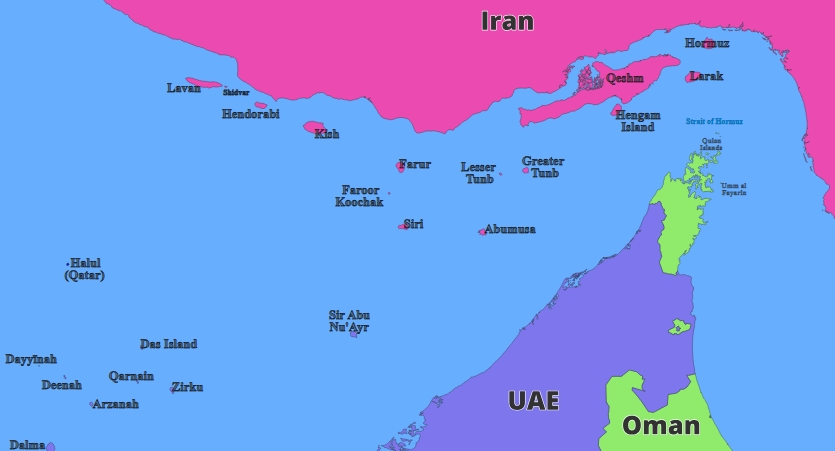
Roughly one-fifth of the world’s seaborne oil normally passes through a narrow stretch of water between Iran and the Musandam Peninsula of Oman. For five months that passage has been constrained, disrupted and, at times, effectively closed by the wider conflict that began in late February 2026. On 8 August 2026, American and Iranian signals both pointed toward a possible temporary arrangement that could restore commercial traffic. The intermediary is Oman. The conditions attached by Tehran remain the central point of contention.
A United States official told reporters on Friday that progress between Iran and Oman on the Strait of Hormuz had reached a stage where a deal could be announced soon. Once commercial shipping resumed without impediments, the official said, Washington would lift its naval blockade of Iranian ports. The same official emphasised that American actions would remain performance-based and tied to Iranian implementation. Iranian statements, meanwhile, described the general framework of an agreement with Oman as finalised, with geographic coordinates of proposed shipping routes already settled and a joint statement in the final stages of drafting—provided third parties did not obstruct the process.
The emerging understanding, according to multiple accounts, would establish temporary inbound and outbound corridors. Iranian officials have described an inbound lane closer to the Iranian coast and an outbound lane nearer Oman. They have spoken of navigation guidance, maritime security and environmental monitoring responsibilities. Some Iranian media reports have referred to a service fee covering those functions, with revenues shared between Tehran and Muscat. American officials have publicly rejected any arrangement that involves approvals, permissions or charges. They insist the strait is an international waterway and that any temporary routes must operate without impediments.
The gap between these descriptions is not trivial. For Tehran, formal recognition of some measure of control over the waterway would represent a political gain after months of conflict. For Washington, accepting anything that looks like Iranian gate-keeping would undercut the long-standing principle of free navigation through the strait. Oman’s role as facilitator is therefore delicate. Muscat has historically maintained working relations with both Tehran and the Gulf Arab states, and has previously hosted or mediated sensitive conversations. Its geography gives it a direct stake in the safe functioning of the strait.
The economic stakes are global. Before the current conflict, approximately 20 percent of seaborne oil and a significant share of liquefied natural gas moved through the Strait of Hormuz. Disruptions raised freight rates, insurance premiums and the risk premium embedded in crude prices. India, which sources a substantial portion of its crude from the Gulf, felt the effects through both price and logistics. Any sustained reopening would ease pressure on energy markets and on the current-account calculations of major Asian importers. Conversely, a collapse of the current talks would prolong uncertainty and keep prices elevated.
Iranian conditions go beyond routing and fees. Some official Iranian statements have indicated that American and Israeli vessels would be barred, that violators could face fines linked to cargo value, and that countries or entities deemed responsible for damage to Iran would be denied passage until compensation was addressed. Iranian officials have also linked full reopening to the lifting of the American naval blockade and a return to elements of earlier diplomatic frameworks, including discussions around Iran’s enriched uranium stockpile. These positions make clear that Tehran views the strait arrangement as one element of a broader set of issues rather than a purely technical maritime understanding.
American officials have consistently framed any deal as temporary and limited. Reports speak of a 60-day window during which longer-term arrangements and nuclear discussions could resume. The United States has signalled that performance—actual restoration of unimpeded commercial traffic—will determine whether the blockade is lifted. This performance-based approach leaves room for verification and for reversal if commitments are not met.
For Indian competitive-exam aspirants the developments touch several interconnected themes. Energy security remains a core concern in the Indian economy paper. The Strait of Hormuz is a classic chokepoint whose vulnerability has featured in questions for years. The current episode updates that knowledge with live diplomatic detail. In international relations, the role of intermediary states such as Oman illustrates middle-power diplomacy and the limits of great-power influence when geography and local relationships matter. The tension between freedom of navigation and coastal-state claims raises questions of international maritime law that appear in both general studies and optional subjects.
The conflict background is essential context. Hostilities that began in February 2026 disrupted the previous pattern of relatively open transit. Iran cited the conflict to justify measures that restricted or conditioned passage. The United States imposed a naval blockade on Iranian ports as part of its military and economic pressure campaign. The resulting constraints on oil flows contributed to price volatility and forced refiners, including those in India, to adjust sourcing and logistics at short notice. A successful temporary arrangement would not erase those effects overnight, but it would mark the first practical step toward restoring more predictable traffic.
Oman’s mediation style has been quiet and persistent. Unlike higher-profile intermediaries, Muscat has avoided public grandstanding and focused on technical and geographic details that both sides can accept without immediate loss of face. The fact that geographic coordinates have reportedly been agreed suggests that the hardest mapping questions have been addressed. What remains are the political conditions—fees, permissions, vessel nationality restrictions and linkage to the broader conflict—that determine whether the technical arrangement can actually function.
Market reaction has been cautious. Traders have priced in the possibility of improved flows while remaining alert to the risk that talks could still fail. Insurance markets for Gulf shipping have already adjusted premiums multiple times since February. A credible reopening announcement would likely produce a sharper downward move in those premiums and in the risk component of oil prices. For India, lower freight and insurance costs would translate into modest relief on the import bill, though the larger variables remain the absolute price of crude and the rupee’s exchange rate.
Longer-term questions persist even if a temporary deal is reached. Will the arrangement evolve into a more permanent traffic-management system, or will it collapse once the 60-day window closes? Will Iran’s nuclear file return to serious negotiation in parallel? Will Gulf Arab states accept any formal Iranian role in managing inbound traffic? These questions will shape the strategic environment for months. For the moment, the immediate issue is whether the current diplomatic track can deliver a practical reopening without locking in political concessions that either side finds unacceptable.
The Strait of Hormuz has long been described as a critical artery of the global energy system. The events of 2026 have demonstrated how quickly that artery can be constricted and how difficult it is to restore normal function once conflict intervenes. The talks mediated by Oman represent an attempt to create a narrow, temporary corridor of predictability. Whether that corridor widens into something more durable depends on the willingness of Tehran and Washington to treat the maritime arrangement as a confidence-building measure rather than a zero-sum contest over sovereignty and control.
Indian policymakers will continue to monitor the situation closely. Energy security planning already incorporates contingency routes, strategic reserves and diversified suppliers. A successful reopening would reduce the urgency of some of those contingencies; a failure would reinforce them. For students preparing for examinations, the episode offers a contemporary case study that links geography, energy economics, diplomacy and international law in a single, high-stakes narrative. Understanding the positions of Iran, Oman and the United States, the economic weight of the strait, and the performance-based logic of the American response equips aspirants to handle both factual and analytical questions on the topic.
Frequently Asked Questions
What progress has been reported on the Strait of Hormuz as of 8 August 2026?
US and Iranian signals indicate Iran and Oman are nearing a temporary arrangement on shipping routes through the Strait of Hormuz. A US official said a deal could be announced soon and that the naval blockade of Iranian ports would be lifted once commercial shipping resumed without impediments.
What conditions has Iran attached to any reopening of the Strait of Hormuz?
Iranian statements have referred to agreed geographic coordinates for routes, possible service fees, navigation and security responsibilities, restrictions on certain vessels, and linkage to the lifting of the US blockade and broader diplomatic frameworks.
Why is the Strait of Hormuz critical for India?
A significant share of India’s crude oil imports originates in the Gulf and normally transits the Strait of Hormuz. Disruptions raise prices, freight costs and insurance premiums, affecting energy security and the current account.
What role is Oman playing in the talks?
Oman is acting as the primary intermediary between Iran and the United States, leveraging its geography on the southern side of the strait and its history of quiet mediation with both Tehran and Gulf Arab states.
Master Energy Security & Geopolitics
In-depth coverage of global oil chokepoints, middle-power diplomacy, and strategic trade corridors.
Daily Current Affairs → All Exams →Join our official Telegram channel for instant updates: @rrbcontents