Home › Blog › Typhoon Dolphin Makes Landfall in Japan’s Okinawa
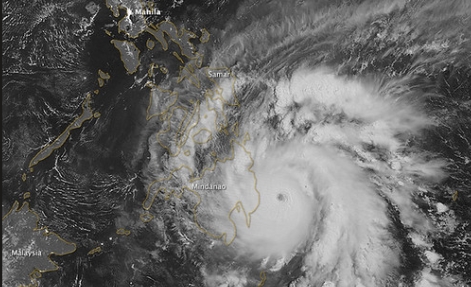
Typhoon Dolphin Makes Landfall in Japan’s Okinawa; China Shuts Ports Ahead of Storm – Disaster Preparedness Analysis for Exams
Typhoon Dolphin made landfall in Japan’s Okinawa Prefecture on 8 August 2026, bringing high winds, heavy rainfall and disrupted transport across the southern islands. Chinese authorities simultaneously closed several ports and ferry routes along the eastern seaboard as the system tracked northward, underscoring the cross-border coordination challenges posed by major western Pacific storms. The event occurs against a backdrop of an already active 2026 Pacific typhoon season and adds pressure on shipping lanes that have faced earlier disruptions linked to Middle East tensions.
Japanese meteorological agencies had tracked the system for several days, issuing warnings for Okinawa and adjacent areas. Residents and local governments activated standard typhoon protocols: evacuation of vulnerable coastal zones, suspension of ferry services, reinforcement of temporary structures, and pre-positioning of emergency supplies. Power outages and flooding were reported in parts of the prefecture, though early assessments indicated that the most severe structural damage remained limited relative to historical storms of similar intensity. The Japan Meteorological Agency continued to monitor the system’s interaction with mid-latitude weather patterns that could influence its subsequent track toward the main islands or dissipation over cooler waters.
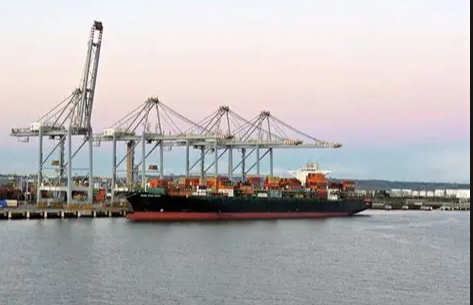
In China, port closures and ferry suspensions were implemented as a precautionary measure. Major facilities along the relevant stretch of coastline restricted operations to reduce the risk of vessel damage and cargo loss. The decision reflected both the immediate meteorological threat and the cumulative strain on regional logistics networks. Shipping companies rerouted or delayed sailings, contributing to short-term tightness in certain Asia-Pacific trade lanes.
The human and economic costs of western Pacific typhoons remain substantial even when forecasts allow relatively orderly preparation. Agricultural losses, infrastructure repair, and temporary displacement of populations recur with each major system. Climate scientists note that warmer sea-surface temperatures can contribute to rapid intensification, reducing the lead time available for last-minute protective measures. Japan’s long experience with typhoons has produced detailed building codes, early-warning systems and community-level response drills that limit casualties compared with less-prepared regions. China’s expanding coastal infrastructure and dense port activity create different vulnerabilities centered on economic continuity and supply-chain resilience.
For competitive-exam aspirants the episode supplies material across several domains. Disaster management questions frequently examine institutional preparedness, early-warning systems, inter-agency coordination and the role of meteorological services. The cross-border dimension—Japanese landfall accompanied by Chinese port closures—illustrates how a single meteorological event can affect multiple national jurisdictions and international trade. Comparisons with India’s own cyclone warning and evacuation systems on the eastern and western coasts provide a useful domestic reference point. The interaction between climate trends, storm intensity and economic exposure appears in environment and geography papers.
Shipping disruptions, even temporary, feed into broader discussions of supply-chain vulnerability. Ports in East Asia handle a large share of global container traffic; sequential closures or capacity reductions compound delays already present from other geopolitical or infrastructural constraints. Insurers, logistics planners and manufacturers monitor such events closely because the cumulative effect of several storms in a single season can move insurance rates and inventory strategies.
The immediate priority for authorities remains accurate tracking, public communication and rapid restoration of essential services once the system passes. Longer-term questions concern the adequacy of coastal defences, the integration of climate projections into infrastructure planning, and the capacity of regional cooperation mechanisms to share forecast data and coordinate shipping restrictions. Typhoon Dolphin is one data point in an ongoing seasonal pattern; its management will be judged by the speed of recovery and the lessons incorporated into future preparedness cycles.
Accurate knowledge of the landfall location, the parallel Chinese port measures, the role of national meteorological agencies, and the broader implications for trade and disaster governance will equip aspirants to address both short factual questions and longer analytical essays on natural hazards and regional resilience.
Frequently Asked Questions
Where did Typhoon Dolphin make landfall on 8 August 2026?
The typhoon made landfall in Japan’s Okinawa Prefecture, prompting warnings, evacuations and service suspensions.
How did China respond?
Chinese authorities closed key ports and ferry routes along the relevant coastal stretch as a precautionary measure against the storm’s path.
What are the main exam-relevant themes?
Disaster management systems, early-warning efficacy, cross-border coordination, supply-chain impacts of extreme weather, and comparative cyclone preparedness with India’s coastal systems.
Why does this matter beyond the immediate region?
East Asian ports handle a large share of global container traffic; sequential storm-related closures can compound existing logistical pressures and affect insurance, inventory and trade planning.
Prepare for Environment & Disaster Management
In-depth coverage of natural hazards, typhoon systems, and coastal defense governance.
Daily Current Affairs → All Exams →Join our official Telegram channel for instant updates: @rrbcontents