Home › Blog › International Relations › US Canada Trade War
US-Canada Trade War: Calculated Geopolitical Strategy or Personal Bargaining Tactics?
Track UPSC Civil Services IR, Foreign Trade Officer & Govt Job updates on RRBCONTENTS Jobs Portal.
Key Takeaways & Summary
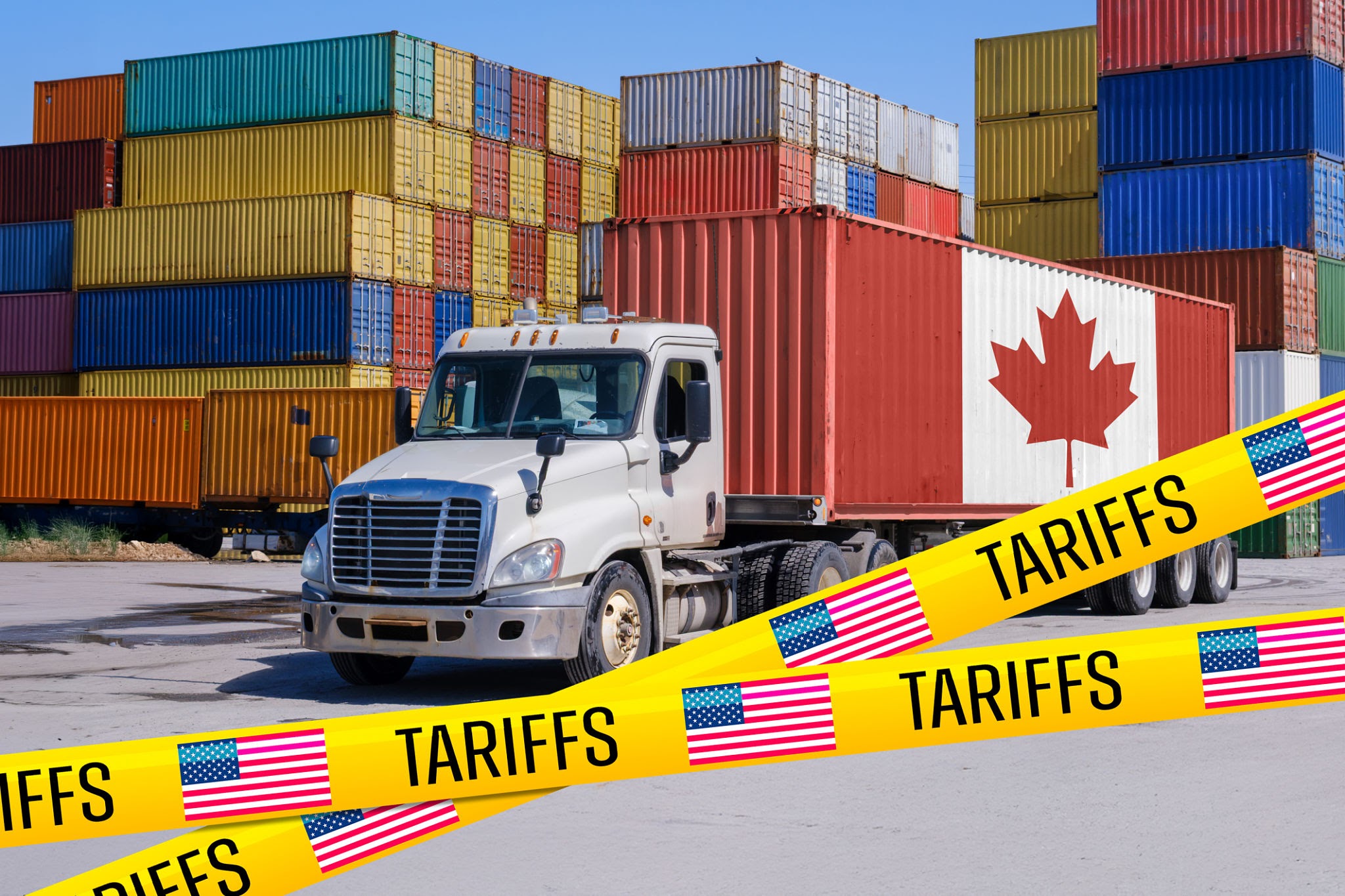
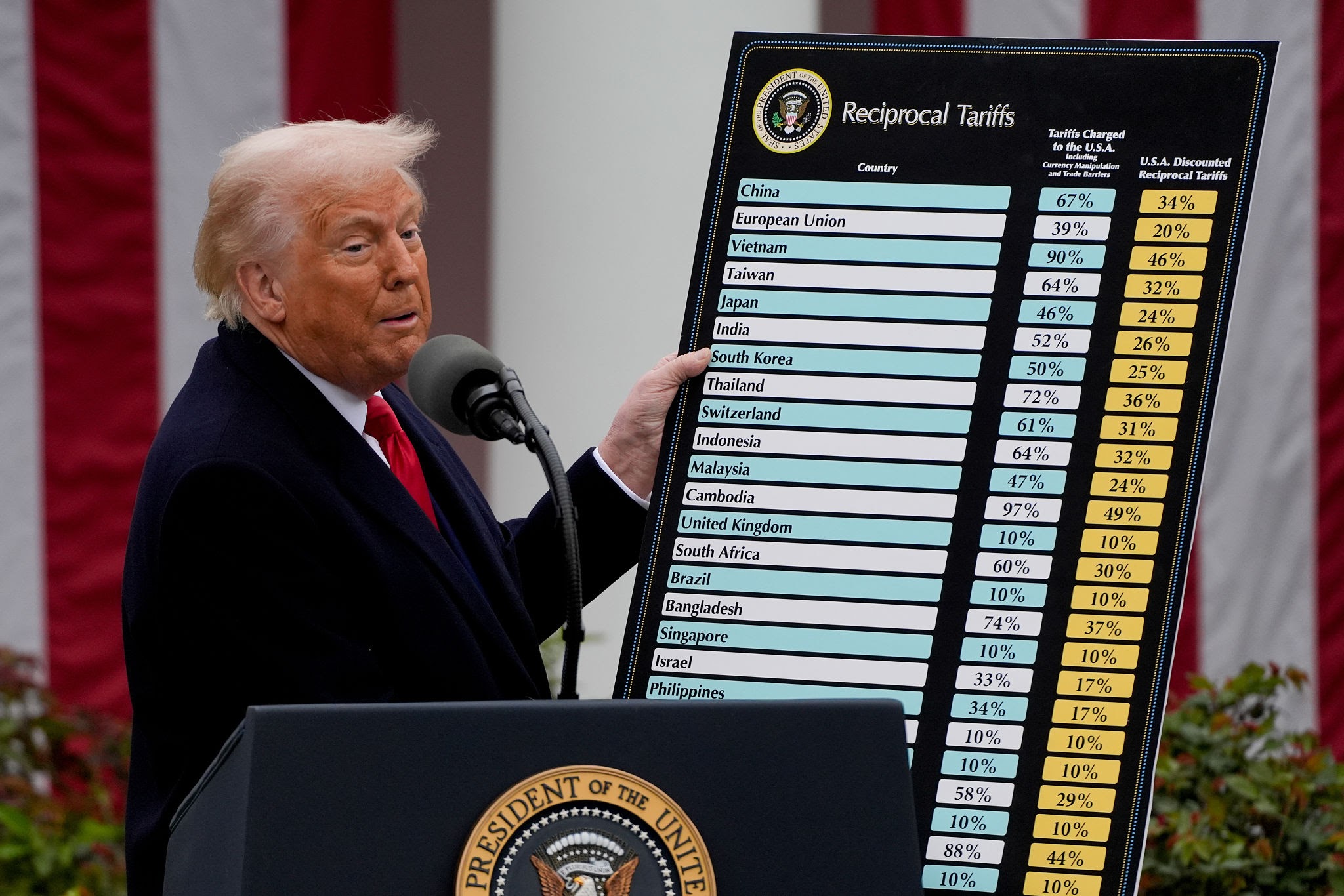
- Sweeping Tariffs: Washington levied tariffs reaching up to 50% on Canadian imports (automotive, dairy, alcohol, timber) using Section 338 of the Tariff Act of 1930.
- Leveraging CUSMA 2026: The escalation serves as strategic leverage ahead of the mandatory 6-year CUSMA / USMCA Joint Review.
- Legal Evolution: Shifted to Section 338 statutory powers following Supreme Court judicial checks on emergency IEEPA tariffs.
- Ottawa's Counter-Measures: Prime Minister Mark Carney implemented dollar-for-dollar retaliatory tariffs targeting key US legislative districts.
Table of Contents
- 1. The Strategic Plan: 4 Geopolitical Drivers Behind the Trade War
- 2. The Personal & Tactical Element: The Maximalist Bargaining Style
- 3. Canada's Counter-Strategy: Retaliation and Sovereign Defense
- 4. Master Comparison Matrix: Strategic Plan vs. Transactional Tactics
- 5. High-Yield Exam Corner for Competitive Aspirants
- 6. Frequently Asked Questions (FAQ)
US-Canada Trade War: Calculated Geopolitical Strategy or Personal Bargaining Tactics?
The trade dispute between the United States and Canada has reached an intense peak. Following executive proclamations under Section 338 of the Tariff Act of 1930, the White House announced tariffs reaching up to 50% on select Canadian imports—ranging from automobiles and alcohol to dairy products and cement.
This sudden escalation between two historically integrated trading partners raises a fundamental geopolitical question: Is this an orchestrated, long-term US geopolitical plan, or is it driven primarily by transactional leadership tactics?
The short answer: It is a combination of both. The trade war is driven by an underlying mercantilist geopolitical strategy aimed at reshoring supply chains ahead of the 2026 CUSMA/USMCA Joint Review, executed through a maximalist, transactional bargaining style.
Below is an exhaustive, fact-checked breakdown analyzing the geopolitical drivers, legal shifts, economic calculations, and strategic implications of the US-Canada trade confrontation.
1. The Strategic Plan: 4 Geopolitical Drivers Behind the Trade War
Far from being a random dispute, the economic pressure applied on Ottawa aligns with core geopolitical objectives established under the "America First" trade doctrine.
A. Leverage for the Mandatory 2026 CUSMA / USMCA Review
Under Article 34.7 of the Canada-United States-Mexico Agreement (CUSMA / USMCA), the three signatory nations must conduct a mandatory 6-year Joint Review of the agreement. Washington is utilizing aggressive tariff threats as strategic leverage to force concessions regarding:
- Dairy Supply Management: Opening Canada's protected tariff-rate quotas (TRQs) for US dairy farmers.
- Automotive Rules of Origin: Increasing regional value content (RVC) requirements for cars built in North America.
- Digital Services & Banking: Removing restrictions on foreign commercial banking operations and digital tech levies.
B. Reshoring Manufacturing & Reducing Bilateral Deficits
By placing high import duties on Canadian automotive parts, steel, aluminum, and timber, Washington seeks to incentivize global automakers and industrial firms to shift manufacturing facilities directly into American rust-belt states.
C. Linking Trade to Border Security and Defense Spending
Washington has merged economic policy with national security mandates, citing cross-border illicit drug trafficking (fentanyl) and illegal migration. Furthermore, Washington has used economic pressure to push Canada to accelerate defense spending toward NATO's target of 2% of GDP.
2. The Personal & Tactical Element: The Maximalist Bargaining Style
While institutional goals drive the broader strategy, the execution reflects a distinct transactional leadership style:
- Maximalist Negotiation Tactics: Imposing extreme initial demands or threat levels to anchor the negotiation baseline.
- Legal Pivots Following Judicial Decisions: When the US Supreme Court struck down early emergency tariffs under IEEPA in Learning Resources, Inc. v. Trump, the administration pivoted to Section 338 of the Tariff Act of 1930—allowing up to 50% duties on goods from countries deemed to discriminate against US commerce.
3. Canada's Counter-Strategy: Retaliation and Sovereign Defense
Canada—led by Prime Minister Mark Carney—has responded with a measured approach combining legal challenges, targeted counter-tariffs, and diplomatic outreach:
- Targeted Retaliatory Tariffs: Implemented "dollar-for-dollar" retaliatory surtaxes on US exports, targeting agricultural and manufactured goods produced in key US congressional districts.
- Preserving CUSMA Compliance: Despite the trade war, Canada maintains that the existing trilateral agreement remains legally binding. Over 85% of bilateral trade continues under duty-free USMCA rules where specific exemptions apply.
4. Master Comparison Matrix: Strategic Plan vs. Transactional Tactics
| Dimension / Aspect | Calculated Geopolitical Strategy | Transactional / Negotiating Tactics |
|---|---|---|
| Primary Objective | Reshore supply chains to US soil; reduce trade deficits. | Secure quick, high-visibility policy concessions. |
| CUSMA 2026 Context | Reframe the 2026 Joint Review to favor US dairy & auto. | Create extreme economic uncertainty as leverage. |
| Legal Basis | Statutory reliance on Section 338 & Section 232 powers. | Dynamic executive proclamations adjusting tariff rates. |
| Long-Term Goal | Shift from global free trade to bilateral reciprocal mercantilism. | Force trading partners to negotiate terms directly with Washington. |
🎓 High-Yield Exam Corner for Competitive Aspirants (UPSC / IR Studies)
For candidates preparing for civil services and international relations examinations, the US-Canada trade war provides essential case studies across core syllabus domains:
- Section 338 of the Tariff Act of 1930: Authorizes the US President to impose duties up to 50% on imports from any foreign country that "disadvantages" or "discriminates against" US commerce.
- Section 232 of the Trade Expansion Act of 1962: Grants executive power to adjust imports threatening to impair US national security.
- CUSMA / USMCA Article 34.7 (Joint Review): Mandates that six years after entry into force, the Commission shall conduct a joint review of the operation of the agreement.
- Economic Mercantilism & Geoeconomics: A policy framework prioritizing national trade surpluses and using economic tools to compel non-trade security performance.
6. Frequently Asked Questions (FAQ)
What triggered the 50% US tariffs on Canadian goods?
The US administration invoked Section 338 of the Tariff Act of 1930, alleging Canadian market discrimination against US dairy, alcohol, and automotive exports ahead of the 2026 CUSMA/USMCA review.
What is Section 338 of the Tariff Act of 1930?
Section 338 is a statutory authority granting the US President power to impose import duties up to 50% on goods from countries deemed to discriminate against US commerce.
🚀 Master International Relations & Trade Notes!
Get complete notes on WTO, Geopolitics, CUSMA, and Foreign Service Job alerts on RRBCONTENTS.
Explore IR Jobs Portal Join @rrbcontents on Telegram