Home › Blog › US Senate Passes Sweeping Russia Sanctions Bill 2026
US Senate Passes Sweeping Russia Sanctions Bill 2026: 100% Tariff Threat on India and China Explained – Key Current Affairs for RRB SSC UPSC
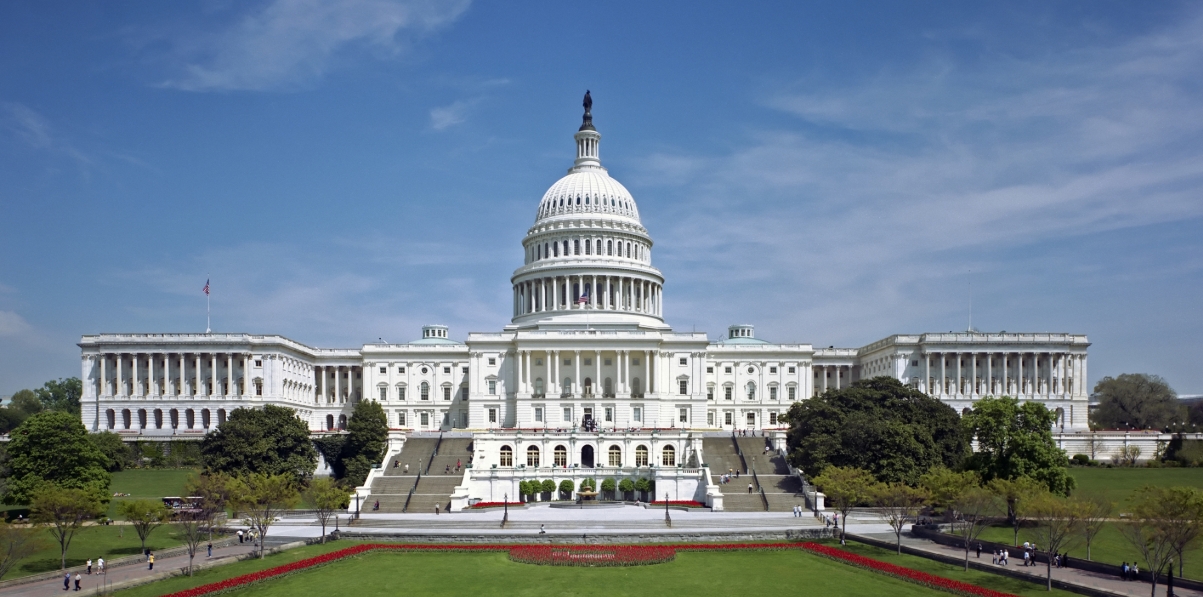
The numbers landed with unusual clarity. On Friday, 7 August 2026, the United States Senate voted 86 to 11 in favour of the Lindsey O. Graham Sanctioning Russia and Iran Act of 2026. Only eleven senators opposed the measure. The bill now moves to the House of Representatives, which returns from recess at the end of the month. If it clears that chamber and receives the President’s signature, it will place in the hands of the White House a powerful new instrument: the authority to impose tariffs of up to 100 percent on goods from the five largest purchasers of Russian crude oil and natural gas.
India sits squarely among those five. So does China. The legislation does not name countries in its statutory text, yet the policy intent is unmistakable. For more than four years New Delhi has been among the world’s largest buyers of discounted Russian crude. That trade has helped keep Indian fuel prices in check and has supported the country’s strategic autonomy narrative. The Senate vote places that arrangement under direct threat.
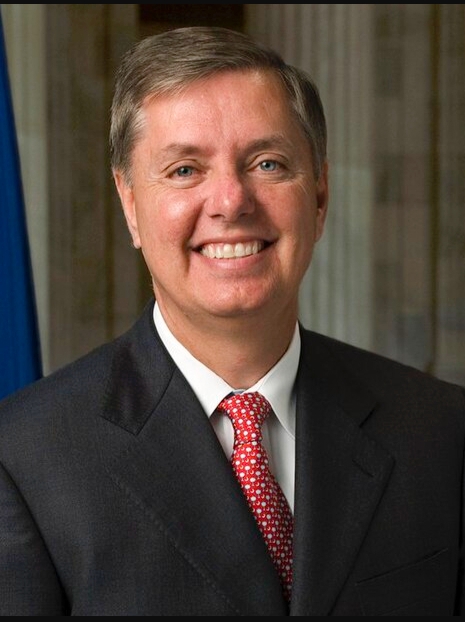
The bill carries the name of the late Republican Senator Lindsey Graham of South Carolina. Graham died on 11 July 2026, shortly after returning from a visit to Ukraine. In the final days of his life he had secured an understanding with the White House that allowed the long-stalled legislation to move forward. After his death, senators from both parties accelerated the process as a gesture of respect and as a demonstration of continued support for Kyiv. Senator Darline Graham, appointed to fill her brother’s seat, spoke on the floor before the vote and described the measure as one that “hits Putin where it hurts.”
At its core the legislation does three things. First, it expands primary and secondary sanctions on Russian officials, oligarchs, banks and the so-called shadow fleet that has helped Moscow move oil outside Western financial systems. Second, it authorises the President to levy tariffs of up to 100 percent on imports from the top five buyers of Russian oil and gas, reviewed every 180 days on the basis of the preceding twelve-month period. Third, it extends the Iran Sanctions Act of 1996 through 2031, preventing a lapse in secondary sanctions authority over Iran’s energy and weapons sectors.
The tariff power is the provision that has concentrated minds in New Delhi, Beijing and several European capitals. Earlier drafts had contemplated tariffs as high as 500 percent. The final Senate version capped the maximum at 100 percent and limited its application to the five largest importers. Exceptions exist for countries that import less than 15 percent of their natural gas from Russia and that can demonstrate significant steps to reduce those volumes. India, whose purchases have been overwhelmingly crude rather than gas, sits outside that carve-out.
Indian policymakers have long argued that their purchases of Russian oil serve global price stability and that New Delhi continues to buy from multiple suppliers. They have also pointed to the absence of United Nations sanctions on Russian energy. The Senate bill does not accept that framing. It treats large-scale purchases of Russian hydrocarbons as a form of material support for Moscow’s war effort and seeks to raise the commercial cost of that support.
The practical consequences for India will depend on two variables that remain uncertain: whether the House passes the bill without major dilution, and how the Trump administration chooses to exercise the discretionary authority the legislation grants. The President retains the power to waive or delay tariffs if he certifies that doing so is in the national interest. That flexibility creates negotiating space, but it also introduces unpredictability. Indian exporters of pharmaceuticals, textiles, gems and jewellery, and information-technology services already face a complex tariff environment. An additional layer of 100 percent duties on selected goods would be severe.
Energy markets reacted quickly. Benchmark crude prices firmed after the vote as traders priced in the possibility of tighter constraints on Russian export volumes. Indian refiners, which have refined large quantities of Russian crude into products for both domestic use and export, now face the prospect of higher feedstock costs or the need to reconfigure supply chains at short notice. The strategic petroleum reserve and long-term contracts with Middle Eastern producers offer some buffer, yet the adjustment would not be costless.
For competitive-exam aspirants the episode sits at the junction of several syllabus themes. In international relations it illustrates the use of secondary sanctions and trade measures as instruments of foreign policy. In the Indian economy paper it raises questions about energy security, the management of the current account, and the vulnerability of export sectors to unilateral measures by major trading partners. In the polity and governance domain it offers a case study of how domestic political events in the United States—here the death of a prominent senator—can accelerate legislation with global economic consequences.
The legislative history of the bill is itself instructive. Graham and Democratic Senator Richard Blumenthal had worked on successive versions for more than a year. Earlier iterations faced resistance from members concerned about giving any President broad tariff authority and from those worried about the impact on American consumers and allies. The final compromise retained presidential discretion while narrowing the target list to the top five importers. Rand Paul of Kentucky was the sole Republican to vote against the bill, arguing that the tariffs amounted to a tax on American households. Ten Democrats joined him in opposition, largely over the concentration of power in the executive branch.
Ukrainian officials welcomed the Senate action. The Ukrainian embassy in Washington described it as a timely strengthening of pressure on Russia. European reactions were more cautious. Several EU member states have reduced their dependence on Russian energy since 2022, yet a handful still appear among the larger remaining importers of Russian gas. The bill’s exception language is designed to give those countries a pathway to avoid tariffs if they continue to cut volumes.
China’s position is more opaque. Beijing has been the single largest buyer of Russian crude for several years. Chinese state-owned refiners have developed sophisticated mechanisms for processing and financing that trade. Whether the threat of 100 percent tariffs will alter Chinese purchasing patterns is an open question. Previous rounds of secondary pressure have produced limited behavioural change. The current bill, however, arrives at a moment when the United States is already engaged in a broader trade confrontation with China, raising the possibility that energy sanctions and existing tariff regimes could reinforce each other.
Indian diplomats and trade officials will now engage in intensive consultations with their American counterparts. The existing bilateral trade relationship contains both areas of cooperation and points of friction. The United States remains a critical market for Indian goods and a partner in technology and defence. At the same time, New Delhi has resisted pressure to align completely with Western sanctions regimes on Russia. The Senate vote raises the cost of that resistance without yet making it prohibitive. The next few months will reveal whether the two sides can negotiate a practical understanding that protects Indian energy interests while addressing American concerns about revenue flows to Moscow.
From the perspective of global economic governance the bill underscores a longer trend: the increasing willingness of major powers to use trade policy as a tool of national security. Secondary sanctions, once relatively rare, have become a standard feature of the sanctions toolkit. The European Union, the United Kingdom and the United States have all expanded their secondary-sanctions authorities in recent years. The Graham bill is the latest and, in its tariff form, one of the most direct attempts to force third countries to choose between commercial relationships with Russia and preferential access to the American market.
For students preparing for RRB, SSC, Bank and UPSC examinations, several concrete takeaways stand out. First, the distinction between primary and secondary sanctions remains fundamental. Primary sanctions restrict the activities of the sanctioning country’s own nationals and entities. Secondary sanctions reach foreign persons and companies that engage in specified transactions with the sanctioned target. The tariff authority in this bill functions as a form of secondary pressure. Second, the concept of presidential waiver is central to understanding how such laws operate in practice. Even after enactment, the executive branch retains significant latitude. Third, the interaction between energy markets, currency settlements and sanctions evasion—particularly the role of the shadow fleet—has become a recurring topic in current-affairs questions.
The House of Representatives will take up the bill after it reconvenes. Democratic members have already signalled concern about the breadth of the tariff powers. Some have sought written assurances from the administration about how those powers would be used. Republican leadership has indicated support for the overall package. The final shape of any law that reaches the President’s desk may therefore differ in detail from the Senate version, yet the core architecture—expanded sanctions on Russian actors and tariff authority over major energy buyers—is likely to survive.
In the meantime, Indian refiners, exporters and policymakers will continue to operate under conditions of heightened uncertainty. The volume of Russian crude entering Indian ports has remained elevated through the first half of 2026. Any forced reduction would require rapid substitution from other suppliers, with corresponding effects on prices and logistics. The strategic calculus that has guided India’s energy diplomacy since 2022 is being tested once again by legislative action in Washington.
The Senate vote of 7 August 2026 does not, by itself, change the flow of oil or the structure of global trade. It does, however, alter the legal and political environment in which those flows take place. For a country that has sought to balance relations with both Russia and the United States while protecting its own economic interests, the new legislation represents a tangible increase in external pressure. How New Delhi responds—through diplomacy, diversification of supplies, or accelerated domestic energy transition—will form part of the next chapter of this story. For aspirants watching the developments, the episode offers a live demonstration of the complex interplay between domestic politics in one capital and economic realities in another.
Frequently Asked Questions
What is the name and vote margin of the Russia sanctions bill passed by the US Senate on 7 August 2026?
The Lindsey O. Graham Sanctioning Russia and Iran Act of 2026 was passed by the US Senate on 7 August 2026 by a vote of 86 to 11.
Does the bill specifically name India for potential 100% tariffs?
The statutory text does not name individual countries. It authorises the President to impose up to 100% tariffs on goods from the five largest purchasers of Russian oil and gas. India is currently among those five.
What additional provision does the bill contain regarding Iran?
The bill extends the Iran Sanctions Act of 1996 through 2031, maintaining secondary sanctions authority over Iran’s energy and weapons sectors.
Why is this bill important for Indian competitive exam aspirants?
It covers secondary sanctions, energy security, India-US trade relations, presidential waiver powers, and the use of tariffs as foreign-policy tools — recurring themes in UPSC, SSC, RRB and Bank examinations.
Master India-US Relations & Energy Geopolitics
Detailed analysis of global trade tariffs, secondary sanctions, and crude oil diplomacy.
Daily Current Affairs → All Exams →Join our official Telegram channel for instant updates: @rrbcontents