Home › Blog › International Sanctions & Economy
US Senate Passes Bipartisan Russia Sanctions Bill on 7 August 2026 Targeting Shadow Fleet and Authorising Tariffs on Major Energy Buyers
Key Takeaways & Article Highlights
- Bipartisan Senate Approval: The US Senate voted 86-11 on Friday, 7 August 2026, to pass sweeping legislation targeting Russian energy revenues.
- Shadow Fleet Direct Targeting: First explicit legislation targeting Russia's shadow fleet of unflagged and opaque oil tankers, vessel operators, insurers, and facilitators.
- Tariff Authorisation: Grants Presidential authority to impose tariffs on the five largest importers of Russian oil or natural gas and major sanctions-evasion facilitators.
- Named in Honour: Formally titled the Lindsey O. Graham Sanctioning Russia and Iran Act of 2026, honouring the late Senator who championed the bill until his passing on 11 July 2026.
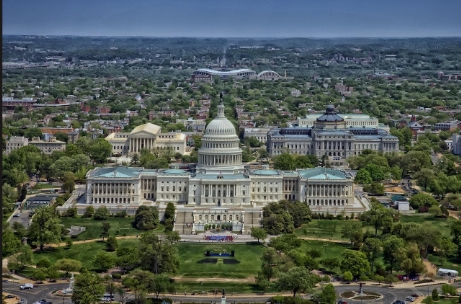
The United States Senate voted 86 to 11 on Friday, 7 August 2026, in Washington to pass a sweeping bipartisan sanctions package aimed at Russia’s energy revenues and the network of tankers known as the shadow fleet. The legislation, formally titled the Lindsey O. Graham Sanctioning Russia and Iran Act of 2026, now moves to the House of Representatives after the congressional summer recess.
The bill expands primary and secondary sanctions on Russian officials, oligarchs and their family members, Russian banks and financial institutions, and state-linked energy projects. A central element is the first explicit targeting of the Russian shadow fleet — older, often reflagged oil tankers that operate with opaque ownership and limited insurance to move Russian petroleum products outside existing Western price-cap and sanctions regimes. The measure authorises sanctions against vessels, operators, insurers and facilitators involved in that trade.
It also gives the president authority to impose tariffs on the five largest importers of Russian oil or natural gas and on countries identified as major facilitators of sanctions evasion. China and India are among the countries most frequently cited in discussions of the provision. The bill contains exceptions for nations that import less than 15 percent of their natural gas from Russia and are demonstrably reducing that dependence.
The legislation carries the name of the late Senator Lindsey Graham of South Carolina, who had been its principal advocate until his death on 11 July 2026. In the weeks after his funeral, senators from both parties accelerated work on the text. Ukrainian President Volodymyr Zelenskyy had visited the Capitol the previous week, met bipartisan groups of senators, and watched procedural votes from the gallery.
Senate Foreign Relations Committee Chairman Jim Risch of Idaho described the shadow-fleet provisions as a direct attempt to disrupt the shipping networks that continue to generate revenue for Russia’s war effort. The package also extends existing Iran-related sanctions authorities. Passage occurred on the final day before the Senate’s August recess, ensuring the bill reaches the House calendar when lawmakers return in early September.
Trade and energy analysts note that Russian crude and products continue to move through the shadow fleet despite earlier restrictions. By attaching secondary sanctions to the vessels, their operators and supporting services, the legislation seeks to raise insurance, flagging and financing costs for those shipments. The tariff authority is framed as a tool the president may use against major buyers rather than an automatic levy on all Russian-origin goods.
As of 9 August 2026 the bill awaits House consideration. President Trump has indicated support for the measure in its current form. Implementation of any new sanctions or tariff actions would follow formal enactment and subsequent executive determinations.
The 7 August vote in the Senate chamber in Washington therefore marks the most significant legislative expansion of US pressure on Russian energy revenues and maritime evasion networks since the early phases of the conflict.
Frequently Asked Questions (FAQ)
What did the US Senate pass on 7 August 2026 regarding Russia?
The Senate voted 86-11 to pass the Lindsey O. Graham Sanctioning Russia and Iran Act of 2026. The bill targets Russia’s energy revenues, its shadow fleet of oil tankers, Russian officials and banks, and authorises tariffs on the largest purchasers of Russian oil and gas.
What is the Russian shadow fleet addressed in the bill?
The shadow fleet consists of older, often reflagged oil tankers operating with opaque ownership and limited insurance that transport Russian petroleum products outside existing Western sanctions and price-cap regimes.
What happens next to the sanctions bill?
The bill now goes to the House of Representatives. A vote is expected after the congressional summer recess in early September 2026. President Trump has indicated support.
Join Official RRBCONTENTS Telegram Channel
Get instant updates on daily current affairs, government job alerts, and study notes.
Join Official Telegram (@rrbcontents) →