Home › Blog › Environment & Weather › India Weather 25 July 2026
India’s Weather on 25 July 2026: A Clear-Eyed Look at the Monsoon Across Every State
Track IMD, Agriculture Department, State PSC & SSC exam alerts on RRBCONTENTS Jobs Portal.
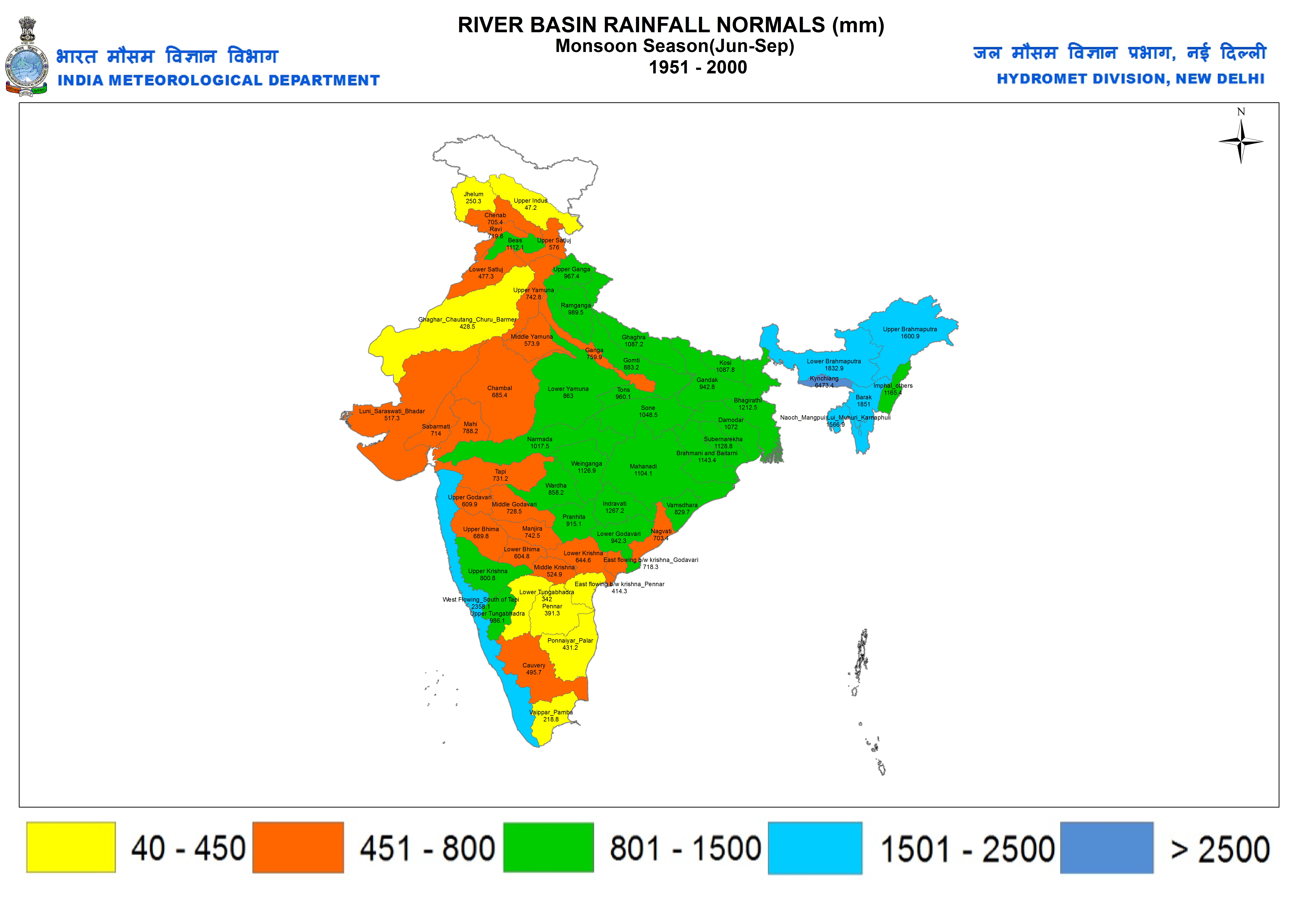
Key Takeaways & Summary
- Gujarat Heavy Alert: Isolated exceptionally heavy rainfall persists over Gujarat districts; waterlogging precautions recommended.
- Northwest India: Delhi, Punjab, and Haryana expect cloudy skies with light to moderate showers; temperatures hover around 33–35°C.
- Northeast Active: Assam, Meghalaya, and Arunachal Pradesh continue to experience active monsoon downpours.
- Southern Peninsular Monsoon: Kerala, Karnataka, and Tamil Nadu maintain classic humid monsoon weather with light to moderate rain.
Table of Contents
- 1. The Bigger Picture: Monsoon Trends in July 2026
- 2. Western India: Gujarat Still Under Watch
- 3. Northwest India: Cloud and Scattered Rain
- 4. Central and Eastern India
- 5. Northeast India
- 6. Southern India: Classic Monsoon Weather
- 7. Other States and Union Territories
- 8. What the Day Feels Like & Note of Caution
The monsoon is still very much present across large parts of India today, 25 July 2026. While the month as a whole has been running below normal for the country, the rains have not disappeared. Localised heavy spells continue, and one state in particular remains under a clear warning.
According to the latest observations and forecasts from the India Meteorological Department (IMD), isolated exceptionally heavy rainfall is expected to persist over Gujarat. Elsewhere the picture is more mixed — cloudy skies, light to moderate rain, and the usual humidity that defines mid-monsoon weather.
Here is a calm, factual assessment of what residents can expect today in every part of the country.
1. The Bigger Picture
July 2026 has so far delivered uneven rainfall. Northwest and Northeast India have seen closer-to-normal amounts in places, while many other regions have lagged. Yet the monsoon system remains active enough to produce significant local rain, especially over the west and parts of the north and northeast.
Temperatures are generally comfortable for the season because of cloud cover, though humidity makes the air feel heavier than the numbers suggest.
2. Western India: Gujarat Still Under Watch
Gujarat is the main area of concern today. Isolated exceptionally heavy rainfall is likely to continue. Districts that have already seen intense downpours in recent days should remain prepared for further heavy spells and possible waterlogging.
Maharashtra is quieter than yesterday but still cloudy. Light rain or drizzle is possible over many areas, particularly in the Konkan and residual activity over Madhya Maharashtra. Mumbai will feel humid under cloudy skies, with temperatures in the high 20s to low 30s. Pune stays cooler.
Goa and the coastal belt can expect light to moderate rain at times.
3. Northwest India: Cloud and Scattered Rain
Punjab and Haryana are likely to see fairly widespread cloud and light to moderate rain. Delhi will remain mostly cloudy with the chance of a light shower or two. Maximum temperatures should stay in the 33–35°C range, with nights around 24–26°C. Humidity will keep the air sticky.
Rajasthan, both east and west, may receive scattered to fairly widespread rain, with isolated heavier falls possible. Thunderstorms and gusty winds cannot be ruled out in places.
Himachal Pradesh and Uttarakhand will stay cloudy with light to moderate rain. Isolated heavier showers are possible, so the usual caution about landslides in the hills still applies. Higher elevations will feel distinctly cooler.
Jammu & Kashmir is expected to see light to moderate rain over the Jammu division, with isolated heavier amounts possible. Ladakh remains relatively quieter but under cloud.
4. Central and Eastern India
Madhya Pradesh and Chhattisgarh look mostly cloudy with only light rain at isolated places.
Bihar, Jharkhand and Odisha will experience cloudy skies and the chance of light to moderate rain. Thunderstorms are possible in some districts. West Bengal stays humid and hazy, with light rain or drizzle likely in many areas, especially towards the north.
5. Northeast India
The monsoon remains active here. Assam, Meghalaya, Arunachal Pradesh and neighbouring states can expect light to moderate rain, with isolated heavier falls possible. This is typical for the region at this time of year, but local authorities will continue to watch for any rapid rises in river levels.
6. Southern India: Classic Monsoon Weather
Kerala continues under typical monsoon conditions — cloudy skies and light to moderate rain or thundershowers at many places. Thiruvananthapuram will feel humid with temperatures in the 29–32°C range during the day.
Karnataka is similar. Coastal and Malnad areas are more likely to see rain, while interior districts including Bangalore should remain cloudy with only light showers possible. Temperatures in Bangalore will be comfortable, around 23–28°C.
Tamil Nadu and Puducherry will stay generally cloudy. Isolated light rain or thundershowers are possible, along with the usual risk of lightning. Chennai will be warm and humid, with daytime temperatures near 30–33°C.
Andhra Pradesh and Telangana look cloudy with only isolated light rain. Hyderabad should stay in the high 20s to low 30s under hazy to cloudy skies.
7. Other States and Union Territories
- Uttar Pradesh: Cloudy with light rain possible in both eastern and western parts.
- Sikkim and the hill states of the Northeast: Cloudy with light to moderate rain and isolated heavier amounts.
- Andaman & Nicobar and Lakshadweep: Cloudy with light to moderate rain and isolated thunderstorms.
- Chandigarh: Similar to Haryana — cloudy with light rain likely.
8. What the Day Feels Like & Note of Caution
Most of the country will sit under cloud. Daytime temperatures are largely between 28°C and 35°C in the plains. Nights remain warm because of high humidity, rarely dropping below 23–25°C except in the hills. The air will feel heavy in almost every major city.
A Note of Caution from IMD
The heavy rain warning for Gujarat is the clearest message from the meteorological department today. People in affected districts should avoid unnecessary travel through low-lying areas and stay tuned to local updates. In the hills of the north and northeast, the usual monsoon caution about landslides still holds.
For everyone else, the day is more about carrying an umbrella and accepting the humidity than dealing with extreme weather.
This assessment is based on the most recent bulletins and observations from the India Meteorological Department as of 24 and 25 July 2026. Monsoon systems can shift, so checking the official IMD app or website during the day remains the best way to stay current.
Stay Ahead in Geography & Environmental Science Prep
Explore free study notes, climate maps, and geography PYQs on RRBCONTENTS.
Solve Geography PYQs → Check Weather Jobs →Join our official Telegram community: @rrbcontents