Home › Blog › What Is Betelgeuse? Why Astronomers Are Captivated by the Ticking Cosmic Time Bomb in Orion
What Is Betelgeuse? Why Astronomers Are Captivated by the Ticking Cosmic Time Bomb in Orion
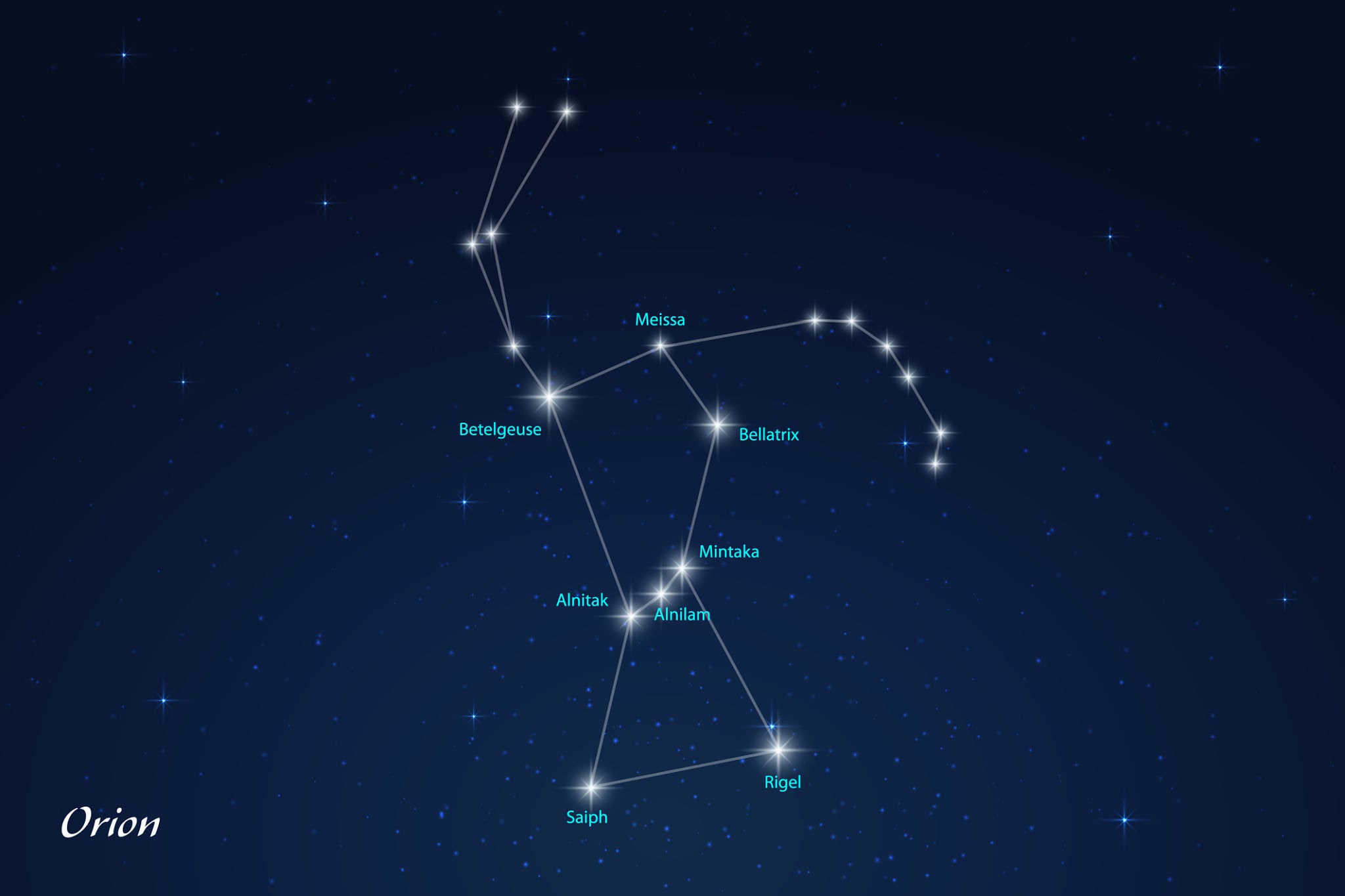
If you step outside on a clear night and gaze toward the famous constellation of Orion the Hunter, your eyes will naturally drift to a brilliant, glowing orange-red beacon marking the hunter’s right shoulder. That celestial titan is Betelgeuse (pronounced BEETLE-juice or BET-el-geuze)—one of the largest, brightest, and most intensely studied stars in our galaxy.
| BETELGEUSE AT A GLANCE (ALPHA ORIONIS) | |
|---|---|
| Stellar Classification | Red Supergiant (M1-M2 IA-IB) |
| Distance from Earth | ~500 to 600 Light-Years |
| Estimated Mass | 14 to 19 Times the Mass of the Sun |
| Estimated Radius | ~640 to 764 Solar Radii (~700M km) |
| Luminosity | ~70,000 to 87,000 Times the Sun |
| Latest Discovery (2026) | Direct image of companion star Siwarha ("Betelbuddy") |
Long celebrated in ancient mythologies and modern astronomy alike, Betelgeuse has captured global headlines once again. International teams of researchers using the world's most advanced observatories confirmed the first direct image of Betelgeuse’s elusive companion star, officially named Siwarha (informally known as "Betelbuddy" or Betelgeuse B). This landmark optical breakthrough solves a century-old mystery surrounding why Betelgeuse "flickers" on a long 6-year cycle. Coupled with lingering memories of the star's erratic "Great Dimming" event, the discovery has re-ignited intense debate over a thrilling question: Is Betelgeuse about to detonate into a spectacular, daylight-visible supernova?
1. The Breaking Discovery: Direct Image of Companion Star Siwarha ("Betelbuddy")
For over a century, astronomers puzzled over a peculiar quirk in Betelgeuse's light output. While the star expands and contracts on a primary pulsational cycle of roughly 400 days, historical records revealed a secondary, longer pulse lasting approximately 2,100 days (roughly 6 years).
In late July 2026, an international research team led by Dr. Miguel Montargès at the Paris Observatory made history. Utilizing the European Southern Observatory's Very Large Telescope (VLT) in Chile—equipped with the ultra-sensitive SPHERE high-contrast imaging instrument—astronomers captured direct optical evidence of Betelgeuse B.
What Is Siwarha (Betel-Buddy)?
Mass: 2 to 3 times the mass of our Sun.
Orbital Mechanics: Orbits Betelgeuse at 2 to 3 times the red supergiant's radius.
The "Snowplow" Effect: As Siwarha sweeps through its 6-year orbit, its gravitational wake clears a path through surrounding stardust, periodically altering light reaching Earth.
2. What Is Betelgeuse? Understanding the Physics of a Red Supergiant
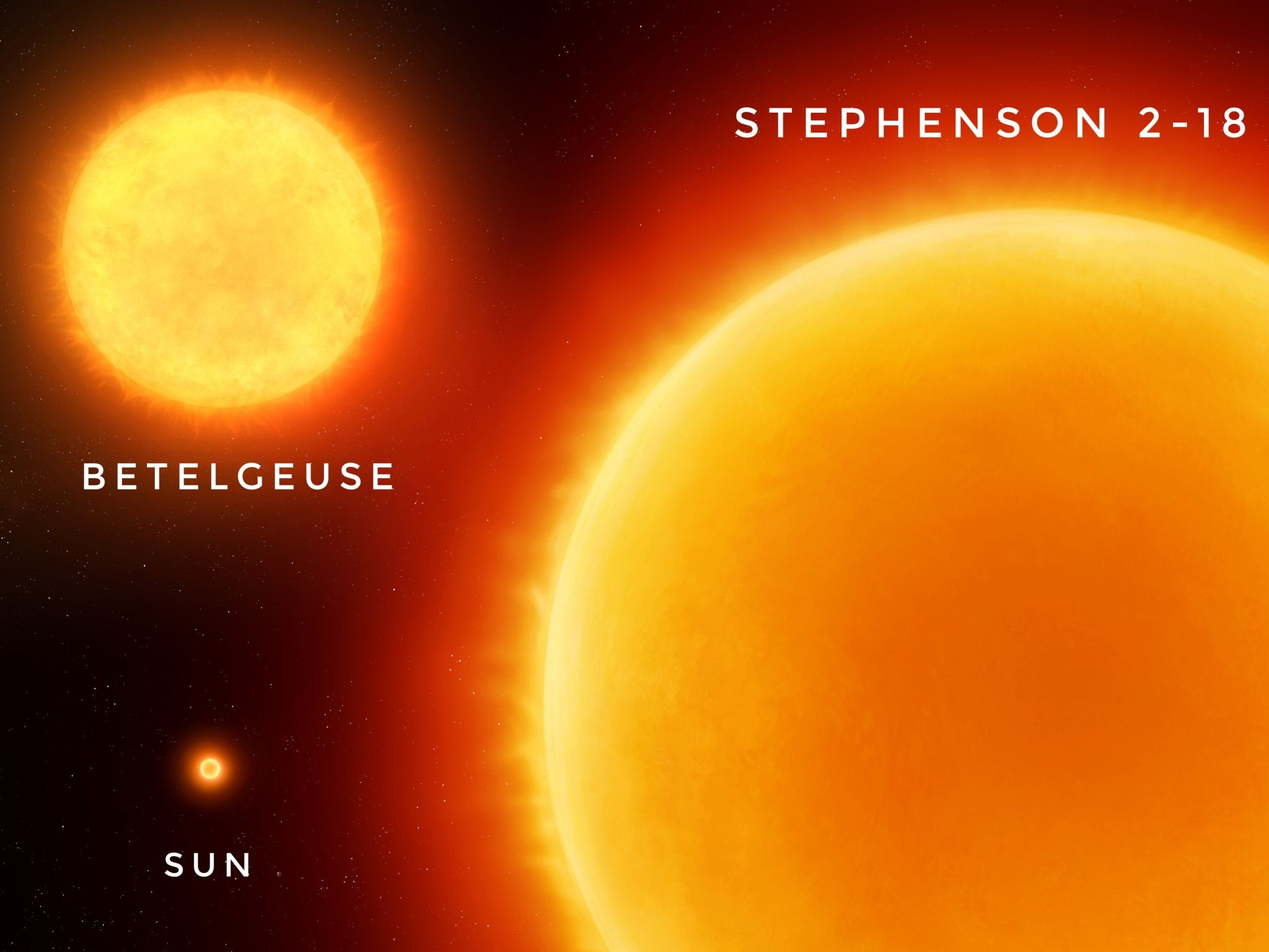
Betelgeuse is located approximately 500 to 600 light-years from Earth. If Betelgeuse were placed at the center of our Solar System in place of the Sun, its outer surface would extend far past the Asteroid Belt, completely swallowing Mercury, Venus, Earth, Mars, and extending near the orbit of Jupiter!
Solar System Scale Comparison
Sun's Radius: 0.7 million km | Earth's Orbit: 1 AU (149.6M km) | Jupiter's Orbit: 5.2 AU (778.5M km)
Betelgeuse Radius: ~3.5 AU (~450M to 530M km).
3. The Great Dimming Mystery: What Really Happened in 2019–2020?
In late 2019, Betelgeuse's brightness plummeted by ~60%. Post-analysis by the Hubble Space Telescope confirmed the cause was a massive Surface Mass Ejection (SME)—a giant plume of superheated plasma that cooled into an opaque dust cloud, temporarily blocking two-thirds of its visible light.
4. Will Betelgeuse Go Supernova Soon? Fact vs. Science Fiction
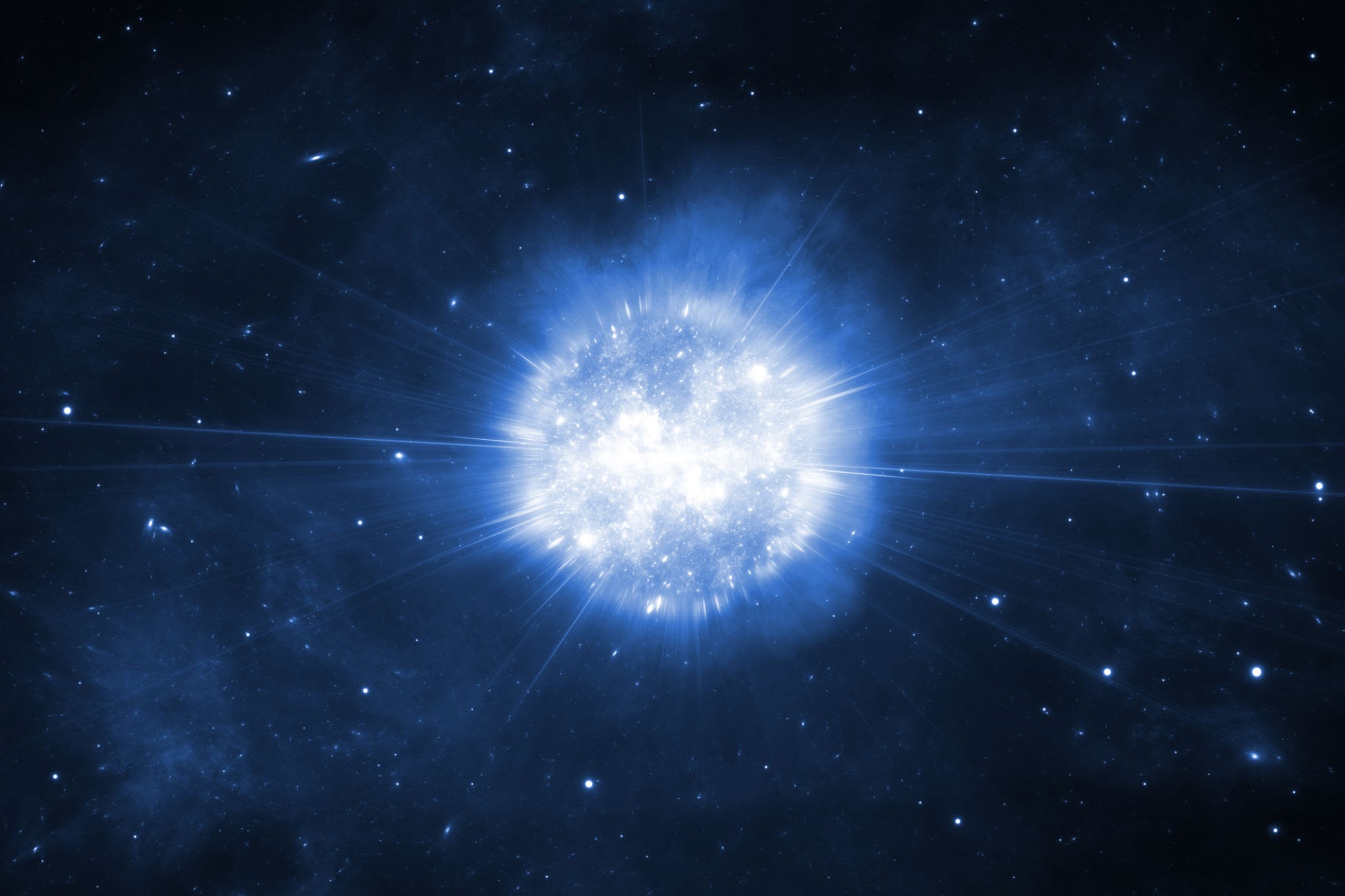
Astrophysicists agree Betelgeuse will eventually detonate as a Type II Supernova when its core accumulates non-fusing iron. In astronomical terms, "soon" means anytime within the next 100,000 years.
When it detonates, it will shine as bright as the half-moon in broad daylight for 3 consecutive months and cast shadows at night. Is Earth in danger? No—its distance of ~500-600 light-years is well outside the 50-100 light-year radiological danger zone.
5. Master Comparison Matrix: Betelgeuse vs. Other Famous Stars
| Parameter | The Sun | Betelgeuse (α Ori) | Rigel (β Ori) | VY Canis Majoris |
|---|---|---|---|---|
| Stellar Class | G2V (Yellow Dwarf) | M1-M2 IA-IB (Red Supergiant) | B8Ia (Blue Supergiant) | Red Hypergiant |
| Distance | 1 AU (8.3 mins) | ~500–600 Light-Years | ~860 Light-Years | ~3,900 Light-Years |
| Mass (Solar Mass) | 1.0 M⋁ | 14–19 M⋁ | 21 M⋁ | 17–19 M⋁ |
| Radius (Solar Radii) | 1.0 R⋁ | ~640–764 R⋁ | 79 R⋁ | ~1,420 R⋁ |
| Ultimate Fate | White Dwarf | Type II Supernova | Type II Supernova | Hypernova / Black Hole |
Key Takeaways
Betelgeuse is a red supergiant ~500-600 light-years away in Orion. The 2026 direct VLT image of companion star Siwarha (Betelbuddy) proves why the star flickers on a 6-year cycle, clarifying its stellar dynamics as it approaches a Type II supernova within the next 100,000 years.
Explore Science & Current Affairs Updates
Track latest astronomical discoveries and daily current affairs notes on RRBCONTENTS.
Daily Current Affairs → More Astronomy Blogs →Join our official Telegram channel for instant updates: @rrbcontents