Home › Blog › Who Will NOT Benefit From the 8th Pay Commission? Scope, Exclusions, and Administrative Analysis
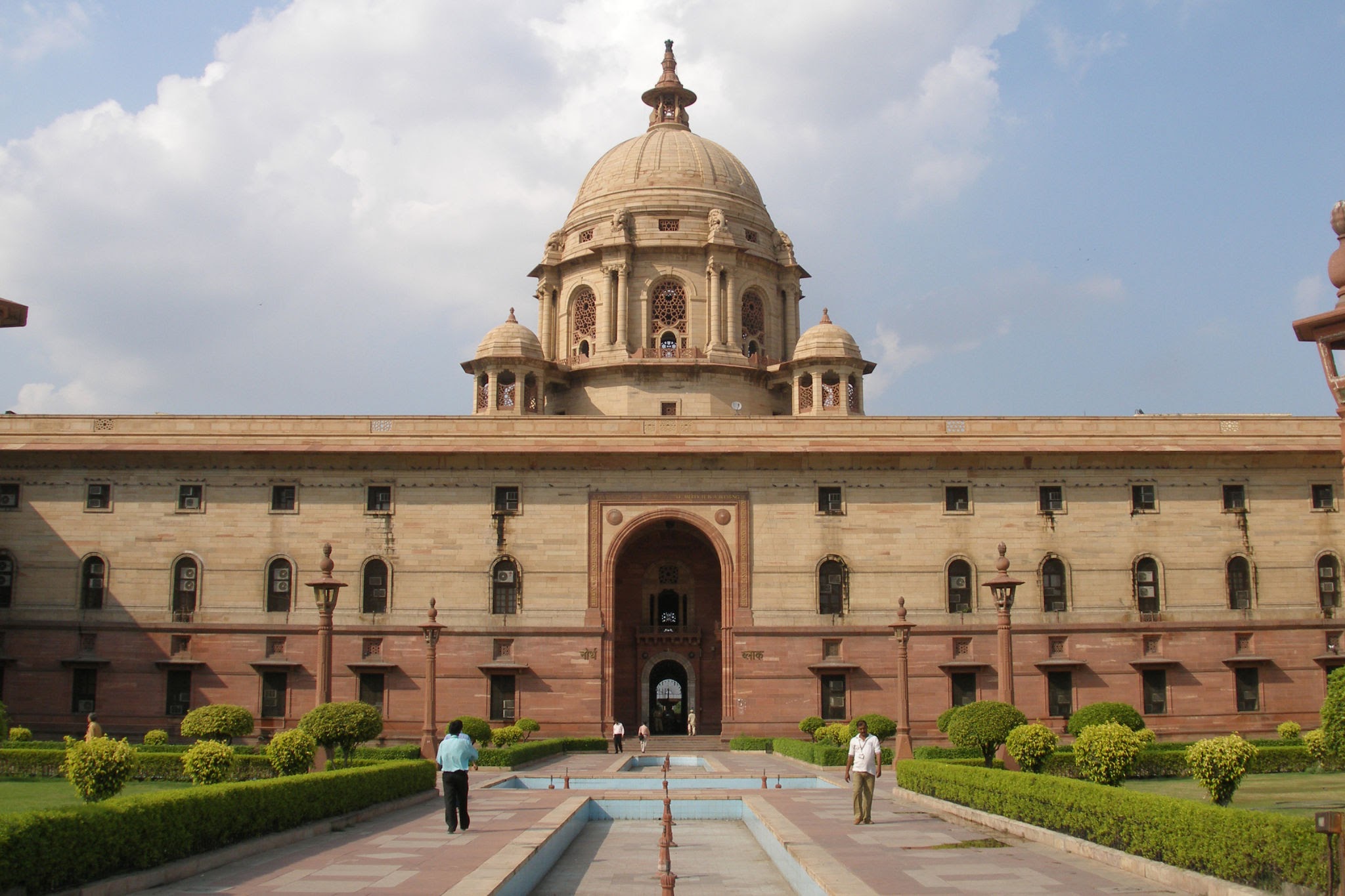
Who Will NOT Benefit From the 8th Pay Commission? Scope, Exclusions, and Administrative Analysis
The Central Pay Commission (CPC) of India stands as one of the most significant administrative mechanisms for revising the salary structures, allowances, fitment factors, and retirement benefits of government personnel. With discussions surrounding the constitution and implementation of the 8th Central Pay Commission (8th CPC) gaining momentum across employee unions, policy circles, and national media, millions of workers across the country are closely monitoring its progress.
However, a widespread misconception persists among the general public regarding the exact reach of the Central Pay Commission. Many assume that any new pay commission automatically raises the wages of every public sector employee, state worker, or government-affiliated contractor in India. In reality, the Central Pay Commission operates under strict constitutional and statutory boundaries.
This comprehensive, research-backed report delivers an exhaustive breakdown of who will NOT benefit from the 8th Central Pay Commission, clarifying the legal, administrative, and jurisdictional rules that govern Central Pay Commissions in India.
1. Understanding the Core Purview: Who IS Covered by the 8th Pay Commission?
To understand who is excluded, one must first define the statutory scope of the Central Pay Commission. Established by the Ministry of Finance, Government of India, the Central Pay Commission is mandated to examine, review, and recommend changes to the compensation framework for specific categories of personnel directly employed by the Union Government.
Categories Directly Covered by 8th Central CPC (~11.5 Million Beneficiaries):
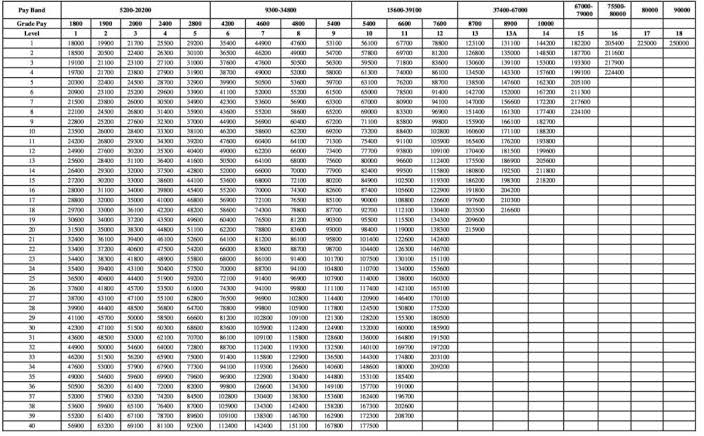
1. Central Government Civil Employees (Levels 1 to 18 Pay Matrix).
2. Defense Forces Personnel (Army, Navy, Air Force).
3. All India Services (IAS, IPS, IFoS).
4. Indian Railway & Postal Employees.
5. Union Territory (UT) Employees (without separate legislatures).
6. Central Government Pensioners drawing from Consolidated Fund of India.
2. Exhaustive Analysis: Who Will NOT Benefit From the 8th CPC?
Category 1: Public Sector Undertaking (PSU / CPSE) Employees
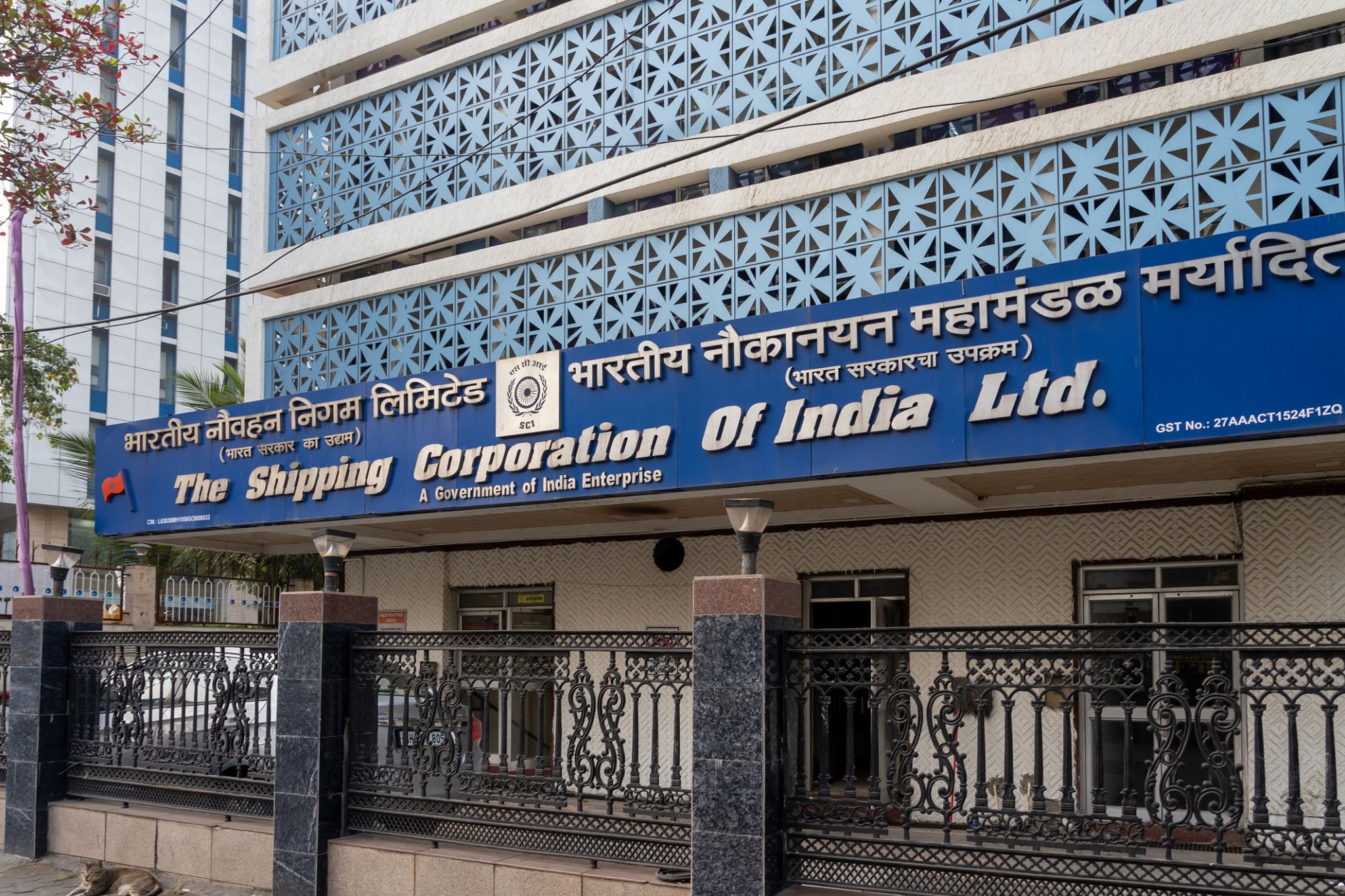
Employees working in Central Public Sector Enterprises (CPSEs)—such as ONGC, NTPC, BHEL, IOCL, Coal India, and SAIL—are strictly excluded from Central Pay Commissions. They are governed by the Pay Revision Committee (PRC) established by the Department of Public Enterprises (DPE), operating on Industrial Dearness Allowance (IDA) patterns funded by corporate profitability.
Category 2: State Government Employees (Without Separate State Adoption)
State civil servants (police, teachers, revenue officers) fall under Entry 41 of the State List (Seventh Schedule of the Constitution). State Pay Commissions or State Cabinet discretionary orders govern state wage revisions. Adoption of central fitment factors by states is not automatic and depends on state treasury reserves.
Category 3: Contractual, Outsourced, Casual, and Daily-Wage Workers
Staff hired via GeM portal, third-party contractors, or fixed-term honorariums do not hold sanctioned civil posts under Article 309 of the Constitution. Their wages fall under minimum wage notifications rather than the Central Pay Matrix.
Category 4: Private Sector Workforce
Private corporate employees, IT workers, and informal sector workers operate entirely under market supply-demand, cost-to-company (CTC) structures, and respective State Minimum Wages Acts.
Category 5: Subordinate Judiciary Officers
Judicial officers serving in district and subordinate courts receive pay revisions under the Second National Judicial Pay Commission (SNJPC) set up under Supreme Court directives to preserve judicial independence from executive control.
Category 6: Municipal & Local Body Staff
Municipal corporation staff (e.g. BMC, MCD, BBMP) are governed by State Municipal Acts and local body financial resolutions.
3. Comprehensive Comparison Matrix: Included vs. Excluded Categories
| Workforce Category | Governed By / Pay Authority | Covered by 8th CPC? | Primary Reason for Inclusion / Exclusion |
|---|---|---|---|
| Central Civil Servants | Ministry of Finance (DoE) | YES | Direct holders of sanctioned central civil posts. |
| Defense Forces | Ministry of Defence | YES | Armed forces personnel paid from Central Defense Estimates. |
| All India Services (IAS/IPS/IFoS) | DoPT / Ministry of Finance | YES | Covered under AIS Pay Rules linked to central scales. |
| PSU / CPSE Employees | Dept. of Public Enterprises (DPE) | NO | Governed by 3rd/4th IDA Pay Revision Committees & corporate profits. |
| State Government Employees | Respective State Cabinets | NO (Not Direct) | Requires separate state cabinet approval & state budget allocation. |
| Contractual & Outsourced Staff | Minimum Wages Act / SLAs | NO | Do not hold regular sanctioned civil posts under Article 309. |
| Subordinate Judiciary | National Judicial Pay Commission | NO | Covered by independent judicial pay commissions under SC orders. |
4. Constitutional and Fiscal Logic
Under the Seventh Schedule of the Constitution of India, Union List (Entry 70) governs Union Public Services while State List (Entry 41) governs State Public Services. The Central Pay Commission is a Union Cabinet body with no constitutional mandate to enforce wage rates on state governments or autonomous corporate entities.
Q: How do PSU Bank employees receive salary revisions?
A: Public sector bank staff receive wage revisions through Bipartite Settlements negotiated between the Indian Banks' Association (IBA) and bank unions every 5 years, independent of Central Pay Commissions.
Key Takeaways
The 8th Central Pay Commission applies exclusively to ~11.5 million central civil servants, defense personnel, All India Services officers, railway/postal staff, and central pensioners. PSUs, state government staff, contractual employees, municipal workers, and private sector employees are governed by separate statutory wage frameworks.
Stay Updated on 8th Pay Commission & Central Govt Notifications
Track official salary calculators, DA updates, and recruitment notices on RRBCONTENTS.
Latest Govt News → View Central Govt Jobs →Join our official Telegram channel for instant updates: @rrbcontents