Home › Blog › Polity & Governance › NEET 2026 Parliament Debate
Why Is Nobody Sitting at the Table for the NEET 2026 Discussion? Inside the Parliamentary Deadlock
Track real-time official notifications, answer keys, counseling dates & NTA reform announcements on RRBCONTENTS Jobs Portal.
Key Takeaways & Impasse Summary
- The Paradox: Both the Treasury benches and the Opposition claim total willingness to discuss NEET 2026 paper leaks affecting 2.4 million students, yet Parliament adjourns daily without taking up the debate.
- Procedural Battleground: The Opposition insists on a dedicated debate under Rule 267 (Rajya Sabha) / Adjournment Motion (Lok Sabha) which suspends all listed business. Presiding officers and government favor a Short-Duration Discussion (Rule 176).
- The Resignation Non-Starter: Opposition demands Education Minister Dharmendra Pradhan's resignation before debate starts, which the Government rejects as politically motivated.
- Street Pressure: Protests by youth bodies and student unions at Jantar Mantar further harden positions inside the House.
Table of Contents
- 1. The Core Paradox: What Each Side Claims
- 2. The Procedural Wall: Rule 267 vs. Short-Duration Discussion
- 3. The Pre-condition Trap: Demand for Ministerial Resignation
- 4. Street Protests and Public Pressure: The Jantar Mantar Factor
- 5. Summary Table: Comparing the Two Sides on NEET 2026
- 6. High-Yield Exam Corner: Polity & Governance Concepts
- 7. What Needs to Happen to Break the Deadlock?
1. The Core Paradox: What Each Side Claims
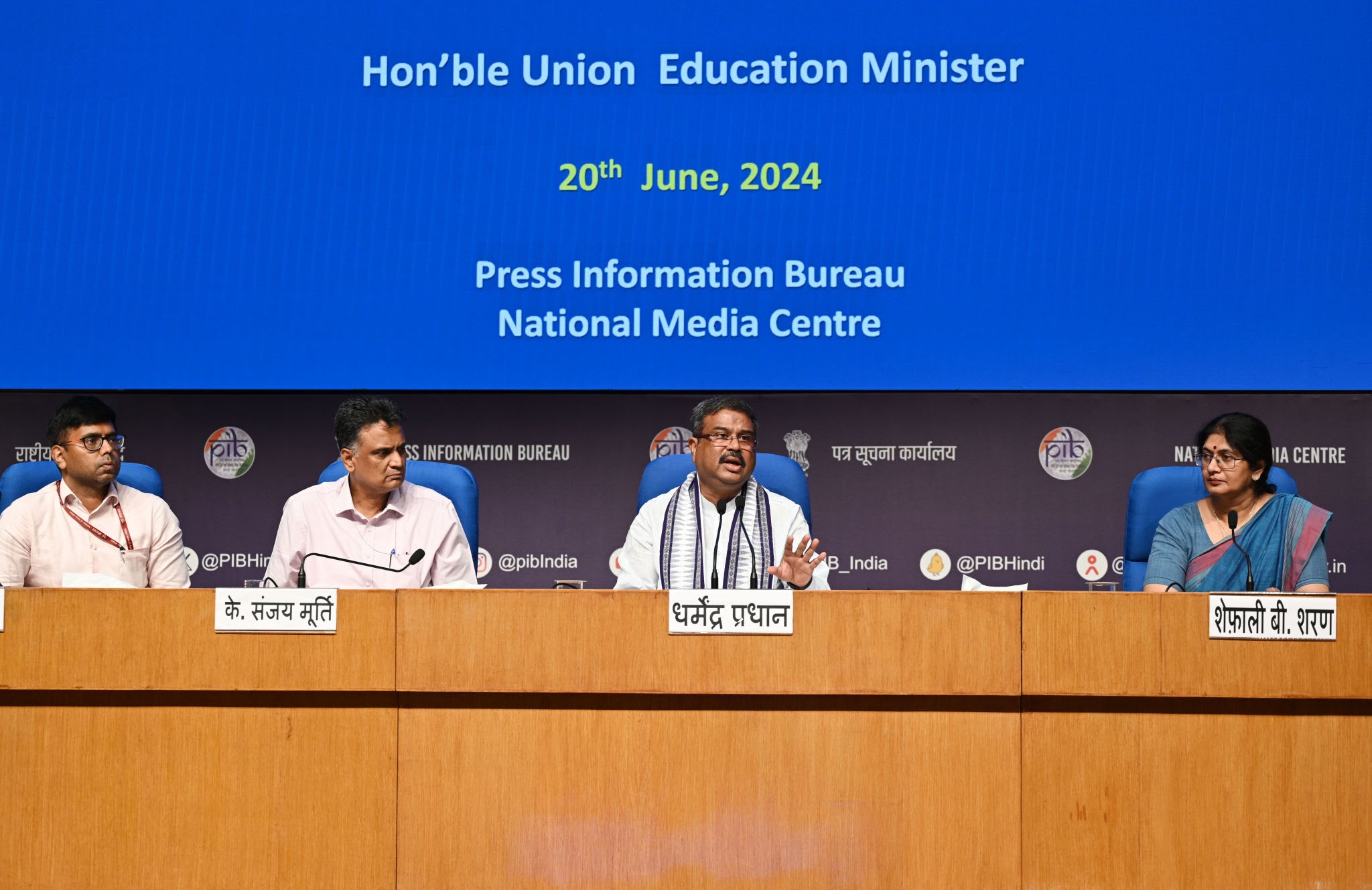
If you have been following the news during the ongoing 2026 Monsoon Session of Parliament, you have likely witnessed a frustrating paradox. Day after day, television screens broadcast senior government ministers standing before news cameras to declare that the Treasury benches are "100 percent ready" to discuss the NEET 2026 examination paper leak and systemic reforms in national testing agencies.
Just a few meters away, leaders of the Opposition hold press briefings asserting that they have been pleading since day one for an urgent, dedicated debate on NEET 2026 to bring the anxieties of over 2.4 million medical aspirants to the floor of the House.
Yet, as soon as the Speaker or Chairman rings the bell to begin proceedings, loud slogan-shouting fills the air, MPs gather in the Well of the House, and within minutes, both the Lok Sabha and the Rajya Sabha are adjourned for the day without taking up any real legislative business.
The Government's Narrative: "Discussion Without Pre-conditions"
Government representatives—including Parliamentary Affairs Minister Kiren Rijiju, Leader of the House in Rajya Sabha J.P. Nadda, and Union Education Minister Dharmendra Pradhan—maintain that the executive has nothing to hide regarding NEET 2026. Their argument relies on three main points:
- Openness to Debate: The government insists it wants to present all facts regarding the Central Bureau of Investigation (CBI) probe into NEET 2026 paper leak syndicates and NTA administrative overhauls.
- Respect for Parliamentary Rules: Deciding how and under which rule a debate takes place is the exclusive right of the Chair, not something the Opposition can dictate.
- Calling Out Pre-conditions: Insisting on Union Education Minister Dharmendra Pradhan's resignation before speaking creates an artificial roadblock.
The Opposition's Narrative: "No Fair Debate Without Accountability"
The Opposition bloc, led by Leader of the Opposition in Lok Sabha Rahul Gandhi and Leader of the Opposition in Rajya Sabha Mallikarjun Kharge, views the government's offer as a tactical distraction. Their stance rests on:
- Emergency Status for NEET 2026: Alleged paper leaks impacting 2.4 million students represent a national emergency demanding immediate priority.
- Ministerial Accountability First: Debate cannot be fair while the minister in charge remains in office.
- Dedicated Focus: General debate formats dilute focus by mixing NEET 2026 with unrelated regional topics.
2. The Procedural Wall: Rule 267 vs. Short-Duration Discussion
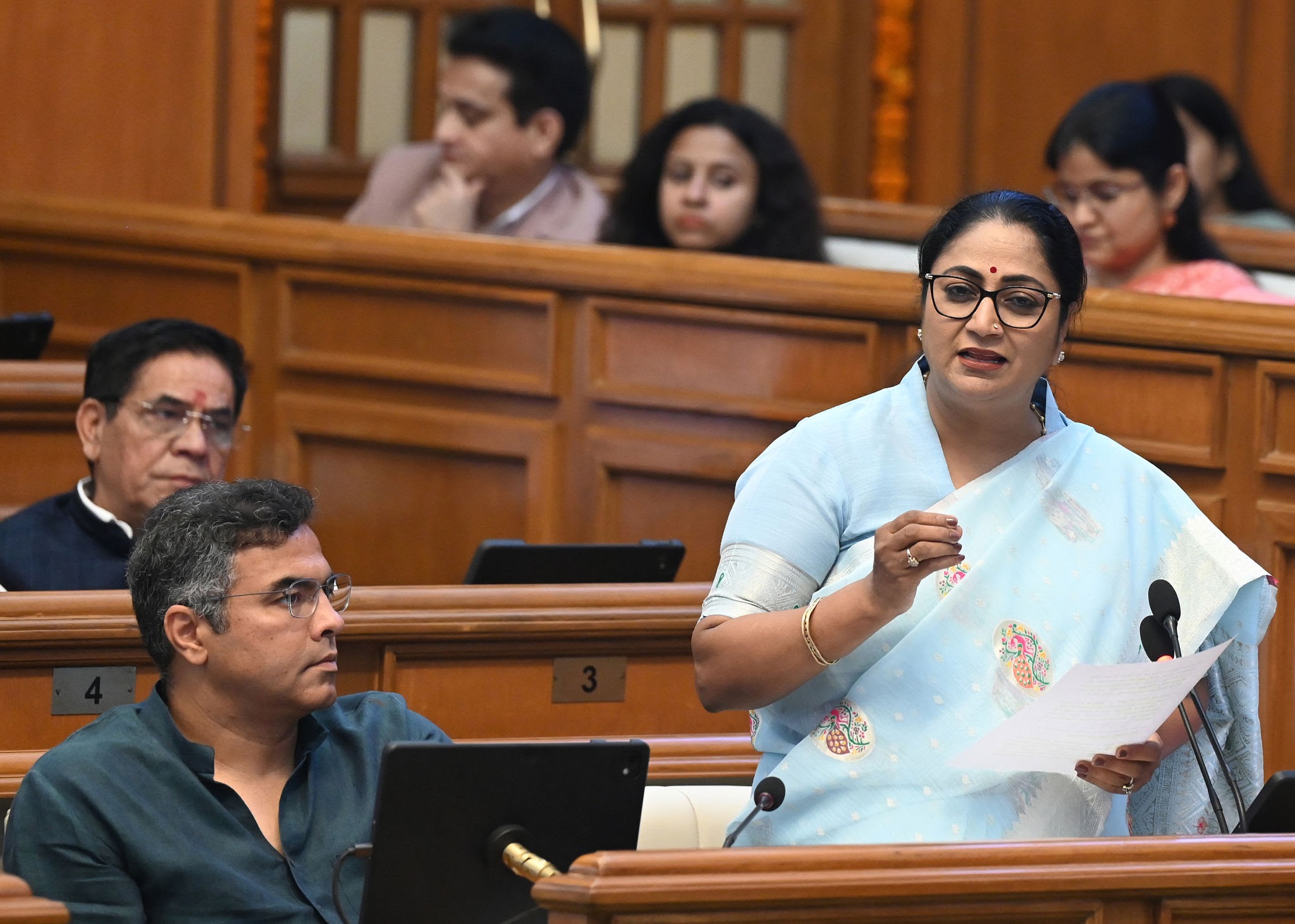
The biggest technical obstacle keeping both sides from sitting at the table is not the exam itself, but the parliamentary rulebook. The specific rule chosen determines who controls the schedule, how much time is allocated, and whether the debate ends with a recorded vote.
Why Does the Opposition Strictly Insist on Rule 267 / Adjournment Motion?
- Total Focus: It forces the entire Parliament and national media to concentrate on a single subject for the entire day.
- Element of Censure: An Adjournment Motion carries an implicit rebuke of the government's handling.
- Voting Mechanism: It allows for a formal division of votes, forcing every political party onto the official record.
Why Presiding Officers and the Government Resist Rule 267
Presiding officers in both Houses routinely point to decades of parliamentary precedent when turning down Rule 267 notices. Their logic is to protect the pre-planned legislative schedule and direct members toward alternative debating tools like Short-Duration Discussions (Rule 176 in RS / Rule 193 in LS) which allow for a 2-to-3-hour debate without canceling the entire day's agenda.
3. The Pre-condition Trap: Demand for Ministerial Resignation
The second major roadblock is the Opposition's demand for Union Education Minister Dharmendra Pradhan to step down before discussions start.
| Step | Resignation Deadlock Mechanism |
|---|---|
| Step 1 | Opposition demands Minister's resignation before debate starts. |
| Step 2 | Government rejects the demand as politically motivated. |
| Step 3 | Opposition refuses to participate in standard discussions. |
| Step 4 | Both sides accuse each other of running away from the issue. |
4. Street Protests and Public Pressure: The Jantar Mantar Factor
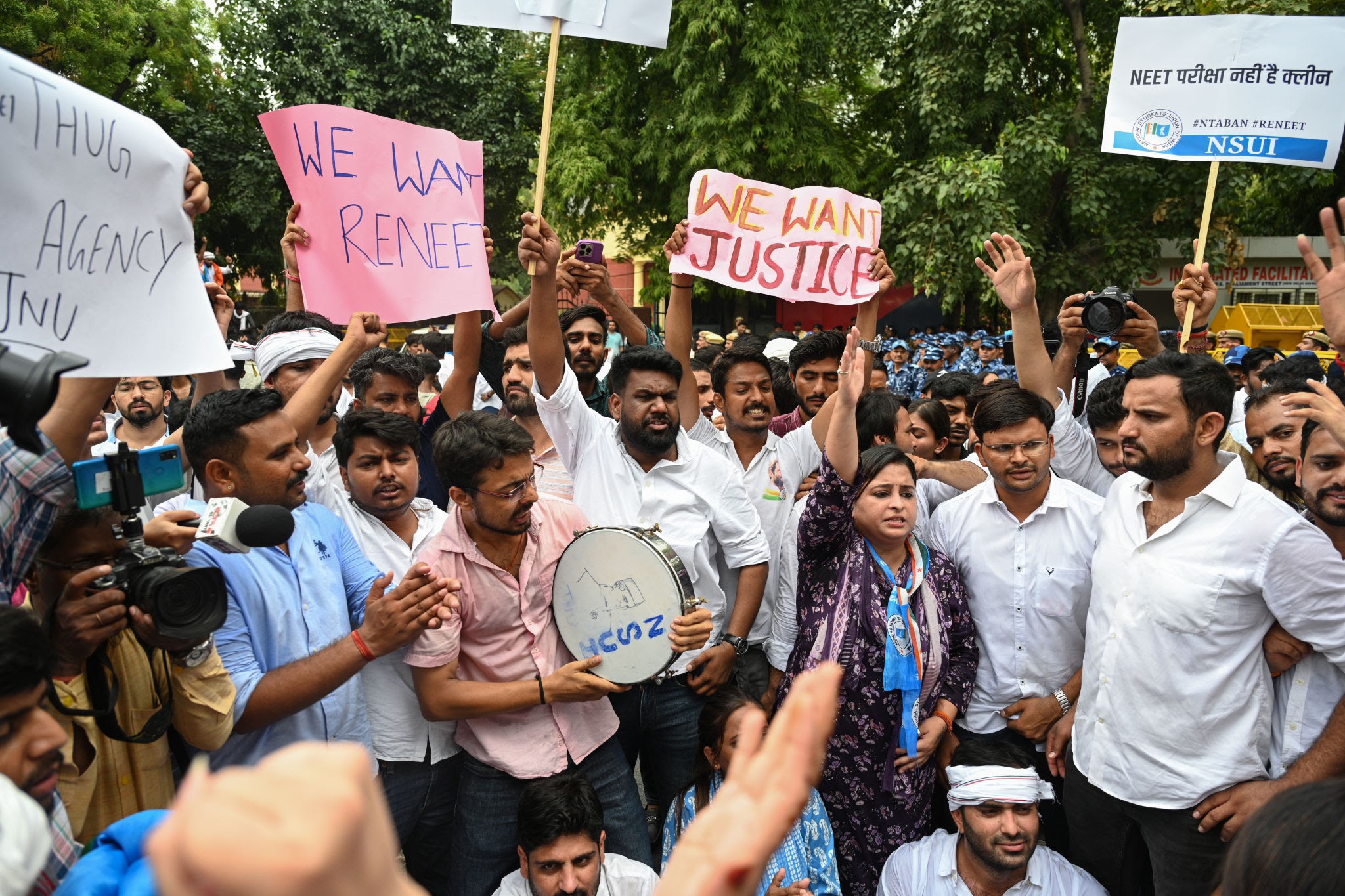
The deadlock inside Parliament is closely tied to events happening outside its gates. As proceedings stall in the Lok Sabha and Rajya Sabha, youth organizations and student bodies have organized demonstrations across New Delhi, particularly at Jantar Mantar.
5. Summary Table: Comparing the Two Sides on NEET 2026
| Aspect / Issue | Government Stand | Opposition Stand |
|---|---|---|
| Willingness to Debate | Agrees to debate under standard rules. | Demands immediate debate under Rule 267 / Adjournment Motion. |
| Procedural Format | Recommends Short-Duration Discussion (Rule 176). | Demands suspension of all listed business. |
| Ministerial Resignation | Rejects resignation as premature. | Demands Dharmendra Pradhan's immediate resignation. |
| Role of NTA & Reforms | Points to CBI probe & 2024 Public Exams Act. | Calls NTA broken; demands complete overhaul. |
6. High-Yield Exam Corner: Polity & Governance Concepts
UPSC & Competitive Exam Revision Points
- Rule 267 (Rajya Sabha): Allows suspension of listed business for an urgent matter of public importance with the Chairman's consent.
- Adjournment Motion (Lok Sabha): Requires 50 members' support; carries element of censure against the executive; available only in Lok Sabha.
- Short-Duration Discussion (Rule 176 / 193): 2.5-hour structured debate without formal voting or censure.
- Public Examinations (Prevention of Unfair Means) Act, 2024: Penalizes paper leaks with 3 to 10 years imprisonment and fines up to ₹1 Crore.
7. What Needs to Happen to Break the Deadlock?
Breaking the deadlock over NEET 2026 requires informal floor management in the presiding officers' chambers, procedural compromise (guaranteeing extended 6-to-8-hour speaking time under Rule 176), and prioritizing the futures of 2.4 million medical aspirants over political brinkmanship.
Interactive Polity Practice Quiz
Q1. Under which rule in Rajya Sabha can a member request the suspension of listed business?
A) Rule 176
B) Rule 267
C) Rule 180
D) Rule 377
Correct Answer: B
Explanation: Rule 267 allows suspension of listed business in the Rajya Sabha with the Chairman's consent.
Q2. What is the maximum fine for organized paper leak syndicates under the Public Examinations Act, 2024?
A) ₹10 Lakhs
B) ₹50 Lakhs
C) ₹1 Crore
D) ₹5 Crores
Correct Answer: C
Explanation: The 2024 Act prescribes fines up to ₹1 Crore and imprisonment up to 10 years for organized syndicates.
Prepare for UPSC Polity & Govt Exam Current Affairs
Explore free notes, parliamentary procedure breakdowns, and exam preparation materials on RRBCONTENTS.
Solve Polity PYQs → Check Exam Updates →Join our official Telegram community: @rrbcontents